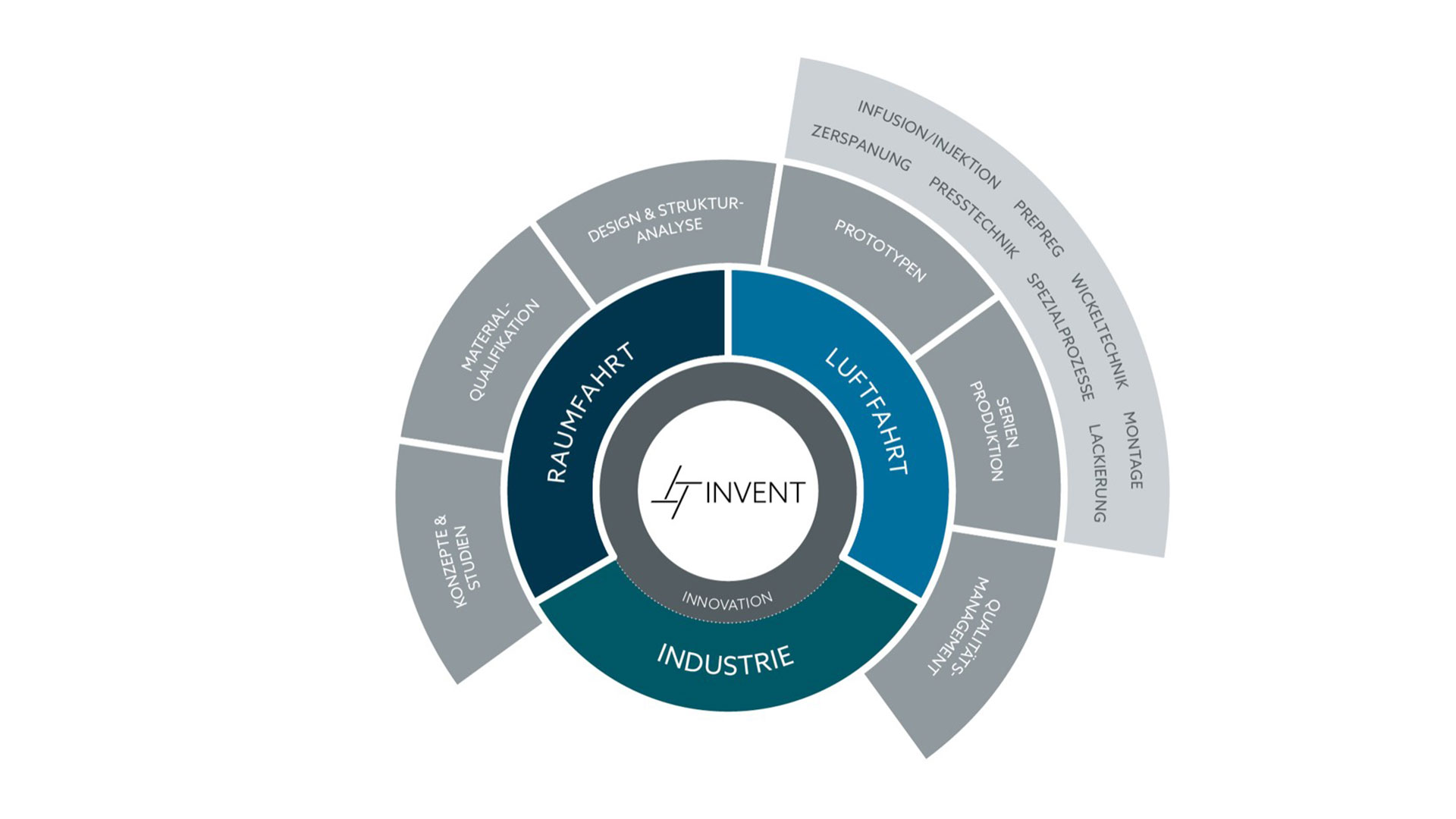
As a recognised lightweight design specialist for innovative fibre composite technologies, we develop and manufacture high-precision structural components, from the initial idea to series production. Our focus is on the business areas of aerospace, aviation and industry. In the industrial sector, we are active in the automotive, mechanical engineering, rail vehicle and shipbuilding industries, among others.
Since 1996, our highly qualified team has been working on individual solutions for customers from all over Europe, Asia and the Middle East. The focus is primarily on fiber composite structures as customer-specific prototypes and series components. INVENT has an extensive range of machinery at its disposal for the manufacture and processing of its products.
Our wide-ranging portfolio, both in the area of versatile equipment and in the expertise of our employees, guarantees maximum flexibility with very high quality standards and customer-oriented implementation.
Learn more about our innovative technologies here.
Shaping the future sustainably: This requires the ecologically pioneering and economically sensible realization of high-tech products made of fiber composites such as carbon fiber-reinforced plastic (CFRP) or glass fiber-reinforced plastic (GFRP).
We can refer to many years of experience in the field of fiber composite technology. As a competent development partner, we have a comprehensive range of services at our disposal, from which our customers benefit.
With reliability, precision, flexibility, individuality and sustainable quality thinking we meet the requirements of the demanding markets for lightweight structures.
As a proven lightweight specialist for innovative fiber composite technologies in the aerospace, automotive, mechanical engineering, rail vehicle and shipbuilding industries, we have been developing and producing high-precision structural components since 1996 as an EN 9100 and Nadcap certified company, from the initial idea to series production.
In-house designers and engineers work very closely with a wide range of manufacturing specialists. In this way, we offer our customers a complete package from a single source in terms of design, production planning, manufacturing processes, mechanical processing, joining and assembly, as well as painting and quality control.
ABOUT US
QUALITY MANAGEMENT
QUALITY MANAGEMENT
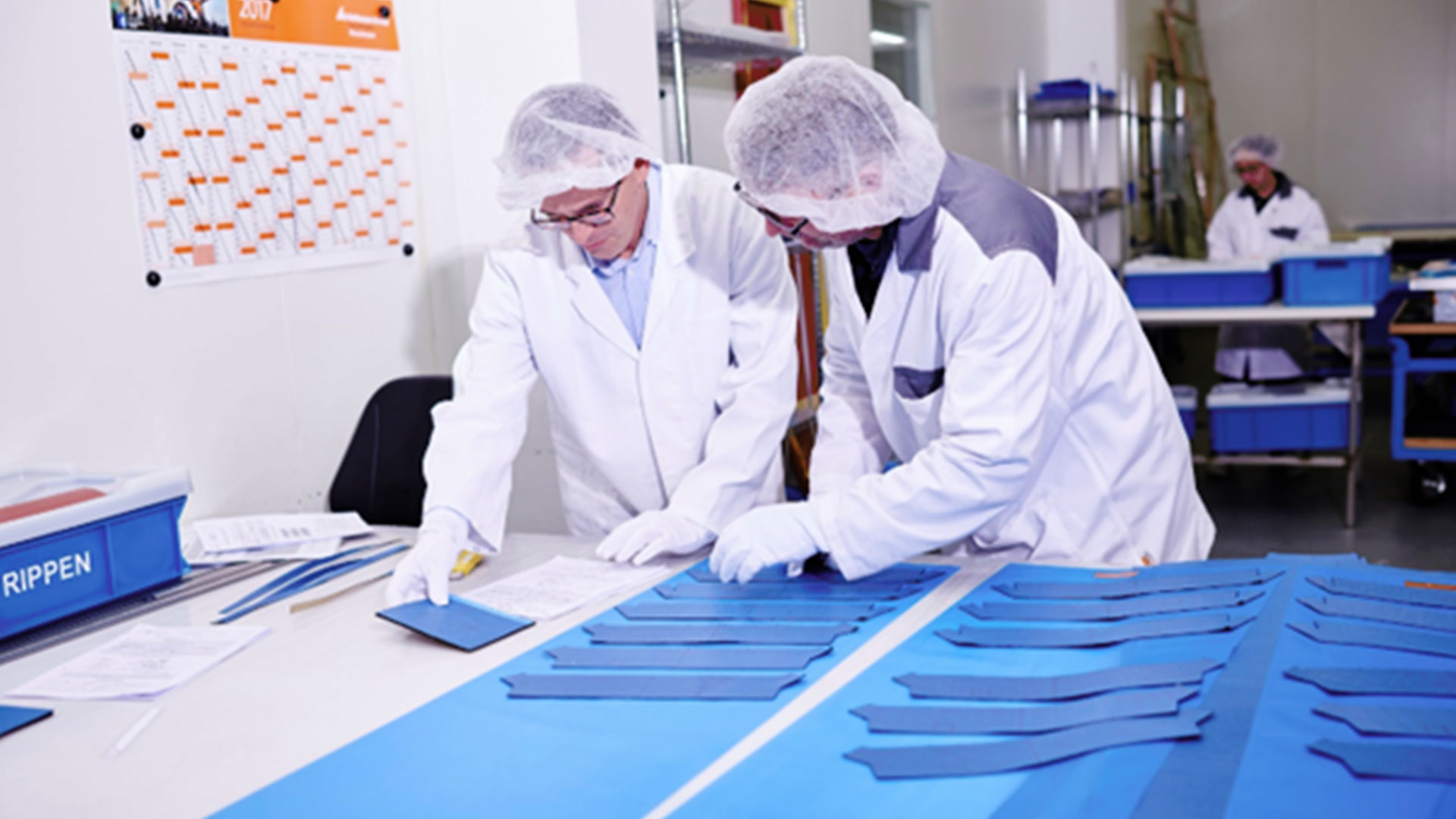
The realization of ever more complex component structures as well as the constant expansion of the product range place ever higher demands on quality management, product assurance and quality control.
This applies in particular to the development and production of fiber composite structures for the aerospace industry, taking into account all customer requirements.
Safe, transparent processes and procedures as well as their continuous monitoring and improvement are the basis for high product quality. Therefore, we attach great importance to
– Regular employee training
– Detailed process documentation
– Qualified manufacturing processes
– Continuous process improvements
– Most modern production technologies
– Calibrated equipment and test equipment
The basis for the implementation of the INVENT quality concept is an integrated quality management system certified according to DIN EN ISO 9001 and DIN EN 9100. Internal and external quality audits ensure the highest quality standards.
The continuous improvement process and regular audits involving customers and employees are the basis for the constant optimization of our quality management system.
QUALITY MANAGEMENT Consulting
As an approved manufacturer of serial parts and components for the aerospace sector, we are certified according to DIN EN 9001 and DIN EN 9100 and accredited according to NADCAP.
A special characteristic in the aerospace sector is the complete documentation of all relevant process steps within a holistic quality assurance.
In the area of quality management and its implementation, we also offer consulting services for companies in the fiber composite sector, based on our many years of experience and the know-how we have acquired.
DIN EN ISO 9001/DIN EN 9100 We are certified according to the DIN EN ISO 9001 and DIN EN 9100 management system in the areas of design, calculation, dimensioning, prototyping and series production of innovative system components in fibre composite construction, as well as metallic components.
NADCAP – COMPOSITES AC7118 Only the best companies in the global aerospace supply chain achieve Nadcap accreditation. Nadcap audits are a rigorous technical assessment of compliance to customer requirements and industry standards, conducted by industry experts. INVENT has been accredited for the application of fibre composite manufacturing according to Nadcap AC7118 since 2014.
AIRBUS-QUALIFICATION INVENT GmbH is listed by Airbus in the “Airbus Qualified Test Method List” and the “Airbus Qualified Special Process List”. This means that we are qualified and authorized by Airbus for production processes and test procedures in the INVENT value chain.
By loading the video, you agree to YouTube's privacy policy. Learn more
Neuartige Materialkombinationen, unterschiedlichste Formen oder präzise Geometrien, die im Harzinjektions- oder infusionsverfahren hergestellt werden, gehören zum Tagesgeschäft unseres Fertigungsteams. Der Expertise steht eine umfangreiche Geräteausstattung zur Seite, sodass wir uns gerne allen Kundenwünschen und technischen Anforderungen stellen
Bei der Harzinjektion nutzen wir nicht nur eine klassische Injektionsanlage, sondern greifen auch auf die Unterstützung unserer Autoklaven zurück. Das so angewendete Differentialdruckverfahren (DP-RTM) kommt dann ohne druckstabile, also massive, zweiteilige Werkzeuge aus: Ein enormer wirtschaftlicher Vorteil für Prototypen und Kleinserien.
Prepreg/Autoklav-Technik
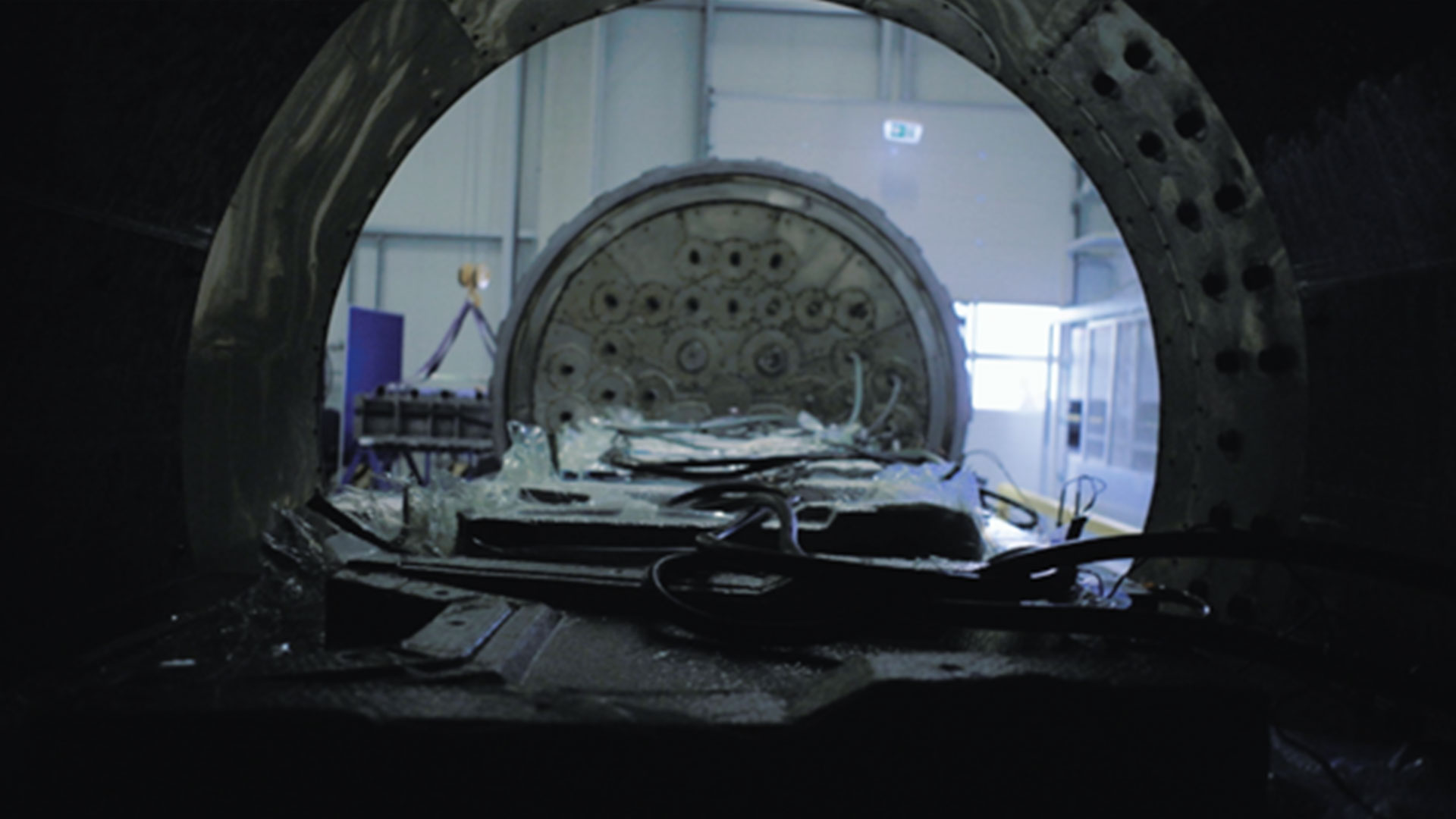
Die drei Autoklaven sind die Zugpferde der Laminat- und Sandwich-Fertigung bei INVENT. Mit den Anlagen in den nutzbaren Abmessungen ø80×150, ø150×600 und ø200×400 cm steht nicht nur eine hohe Kapazität zur Verfügung.
Diese Größenstaffelung erlaubt auch stets einen möglichst energie-effizienten Betrieb für kleine, mittlere und große Bauteile.
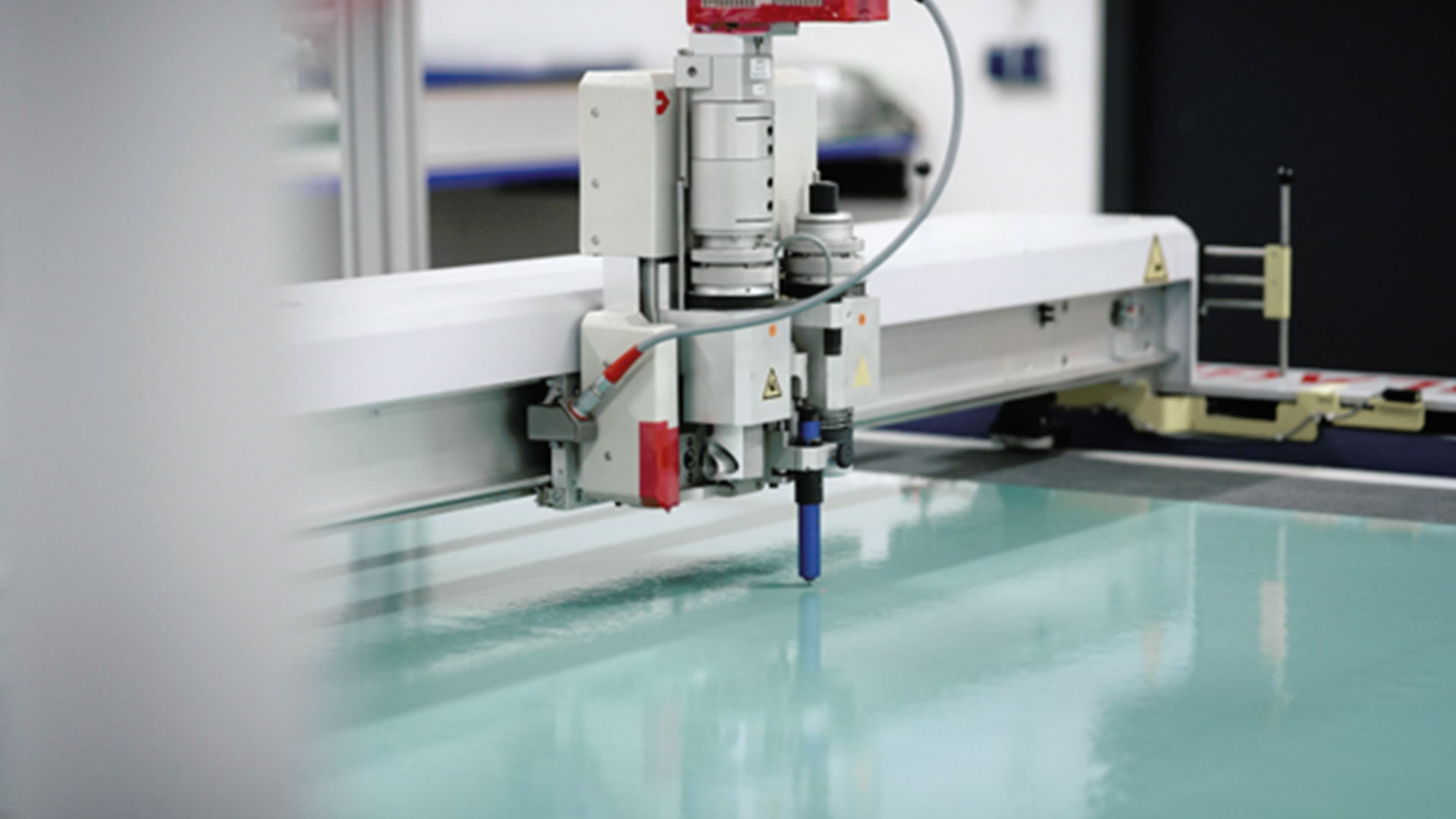
Zum besonders präzisen und zeiteffizienten Zuschneiden der Prepreg-Lagen nutzt INVENT einen automatischen Cutter-Tisch.
Mit dieser Technik ist der Schneidprozess automatisiert. Auch die materialeffiziente Planung der geometrisch beliebig komplexen Zuschnitte in den gewünschten Faserrichtungen erfolgt software-gebunden „auf Knopfdruck“.
Neben der typischen Prepreg-Fertigung werden die Autoklaven bei INVENT auch für die Laminatherstellung im Harzinjektionsverfahren genutzt. INVENT wendet dabei das Differentialdruckverfahren (DP-RTM) an, welches ohne zweiteilige druckstabile Werkzeuge auskommt.
Nach den Laminaten gehören die Strukturpaneele zum Tagesgeschäft der Autoklaven, sei es für das Sandwich-Bonding – also die Verklebung der Deckschichten mit dem Wabenkern – oder die Verklebung von Doppler-Laminaten, welche die Deckschichten lokal verstärken.
Faserwickeltechnik
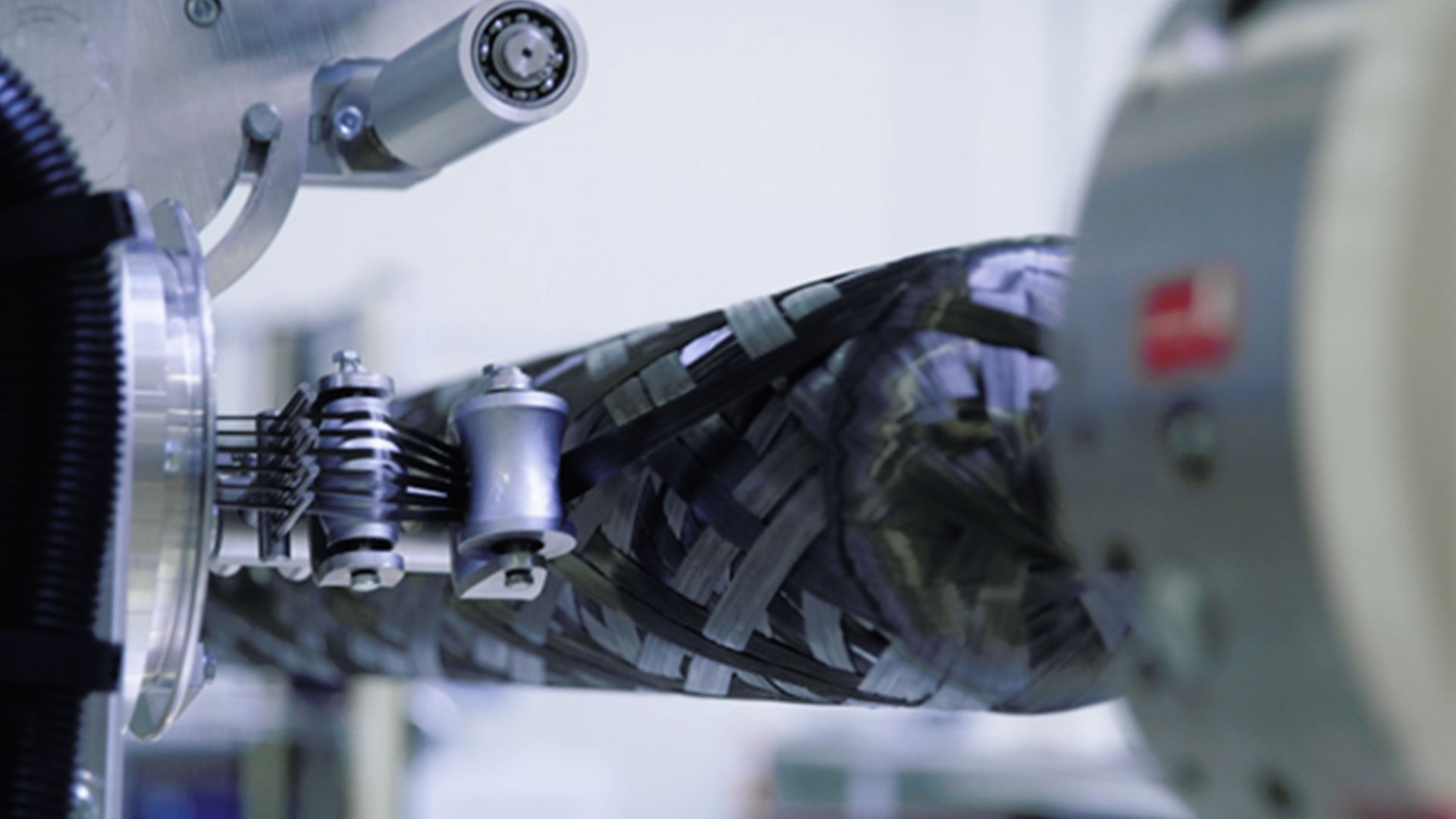
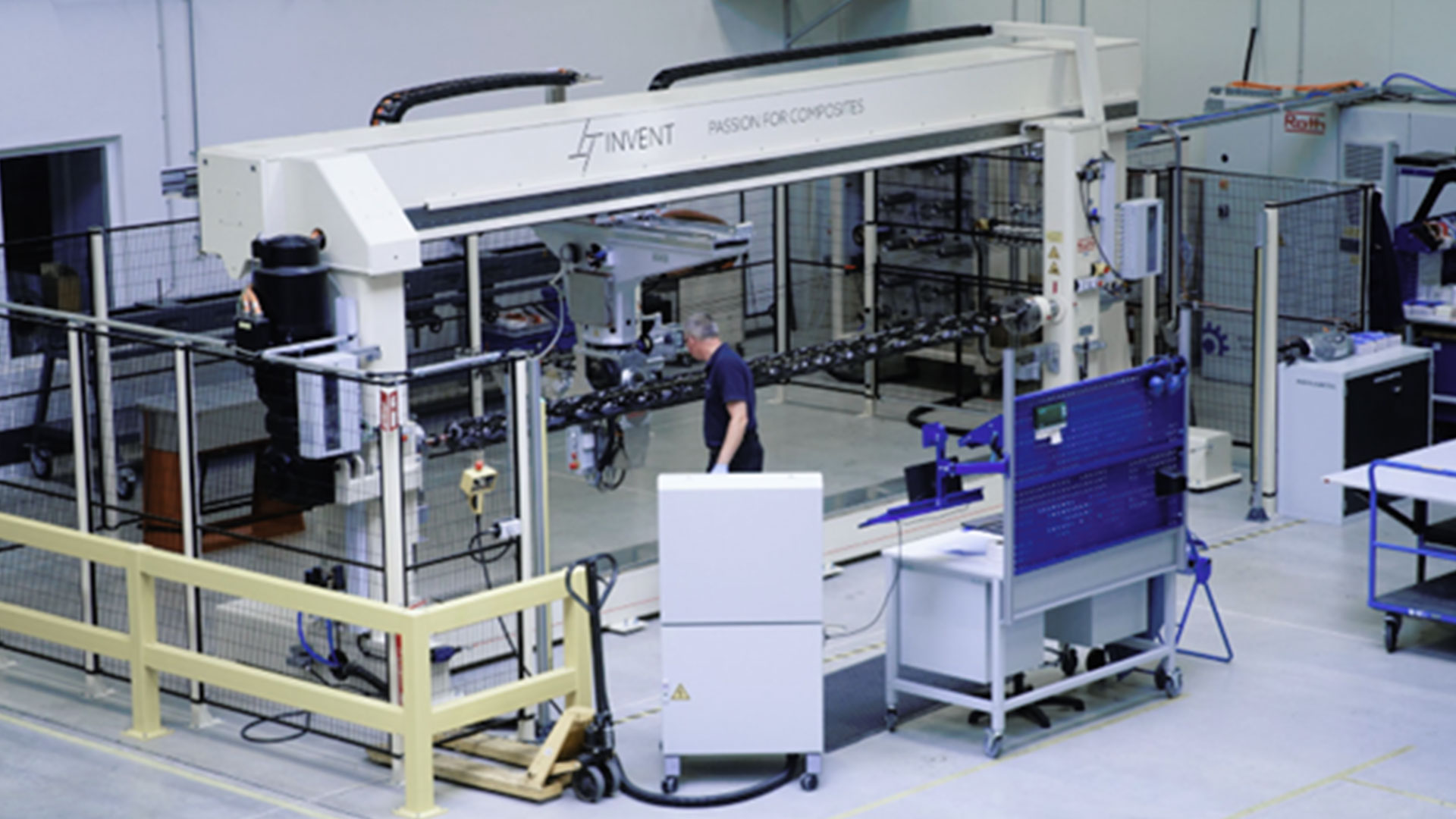
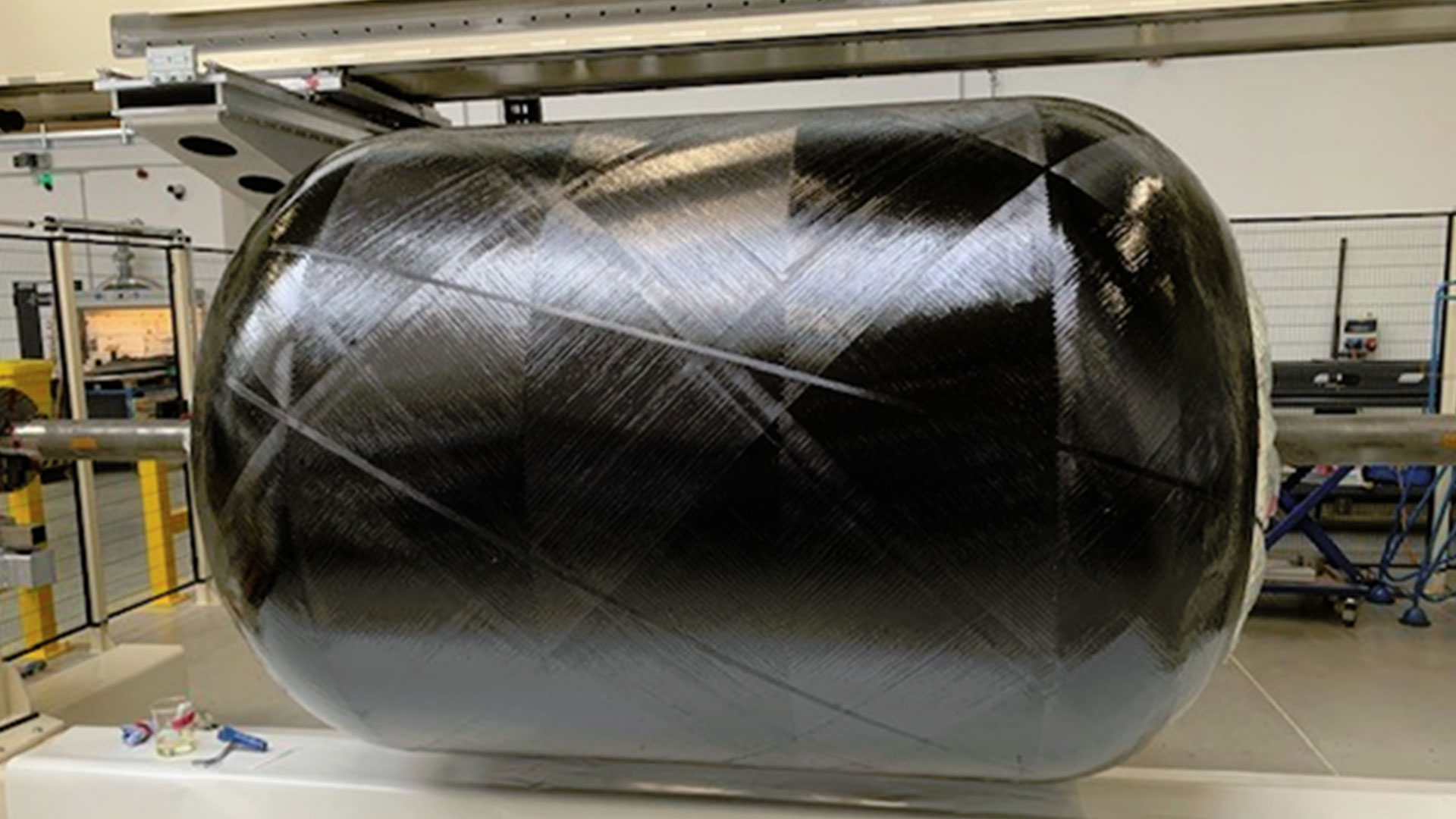
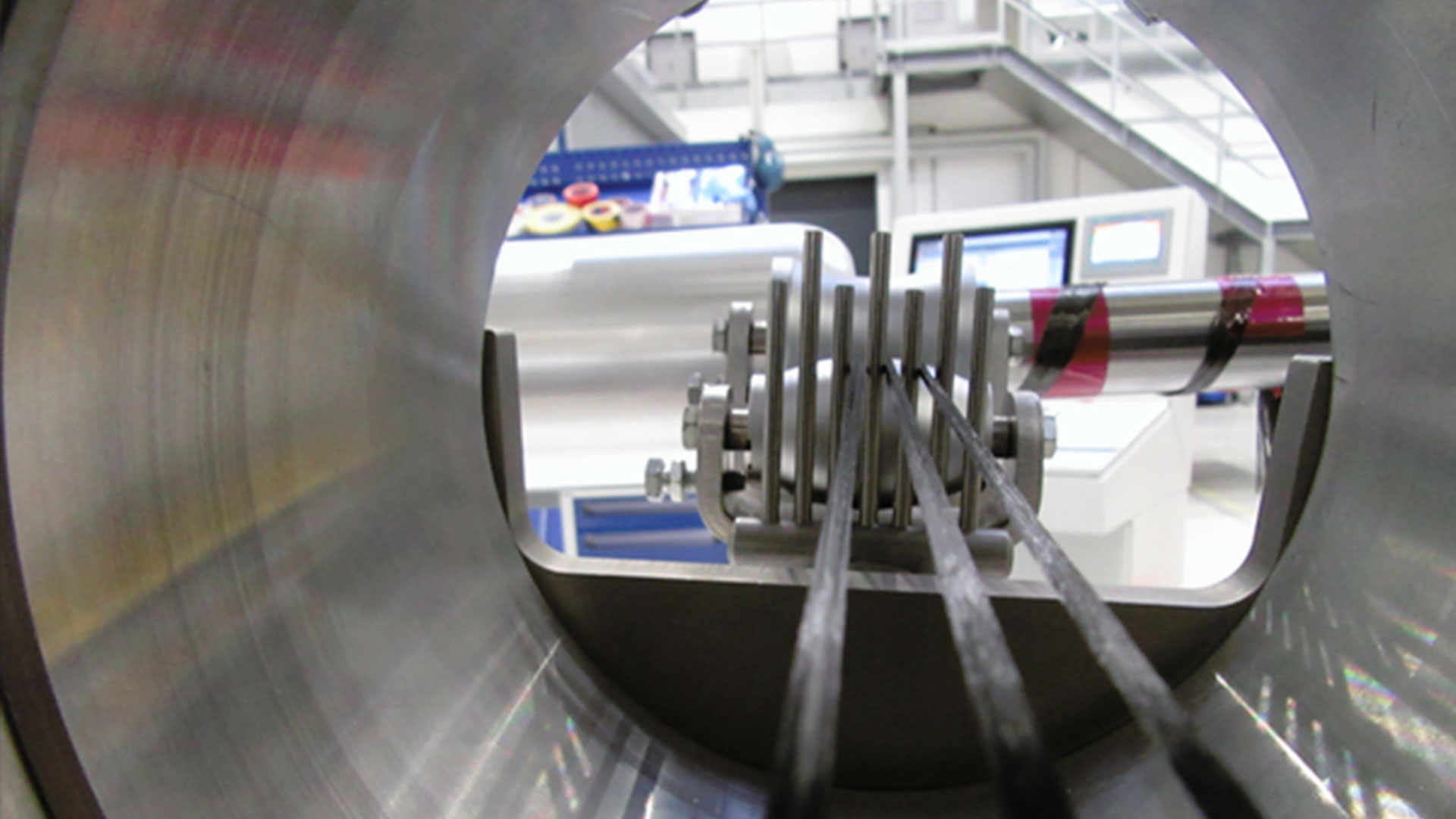
Die Faserwickeltechnik begleitet INVENT seit Gründung des Unternehmens, sodass in unseren gewickelten Bauteilen mittlerweile über 25 Jahre Erfahrung stecken. Im Jahr 2019 wurde eine neue 5-Achs-Anlage in Betrieb genommen, die es ermöglicht, Bauteile mit maximalen Abmessungen von 1,65 m Durchmesser und 4 m Länge herzustellen.
Damit reicht unsere Produktpalette von selbstgemachten Halbzeugen („Inhouse-Prepregs“) über Stützen und Streben und Behälter und Tanks in allen Größen bis hin zu Zentralrohren für den Satellitenbau, Stützstrukturen
Presstechnik
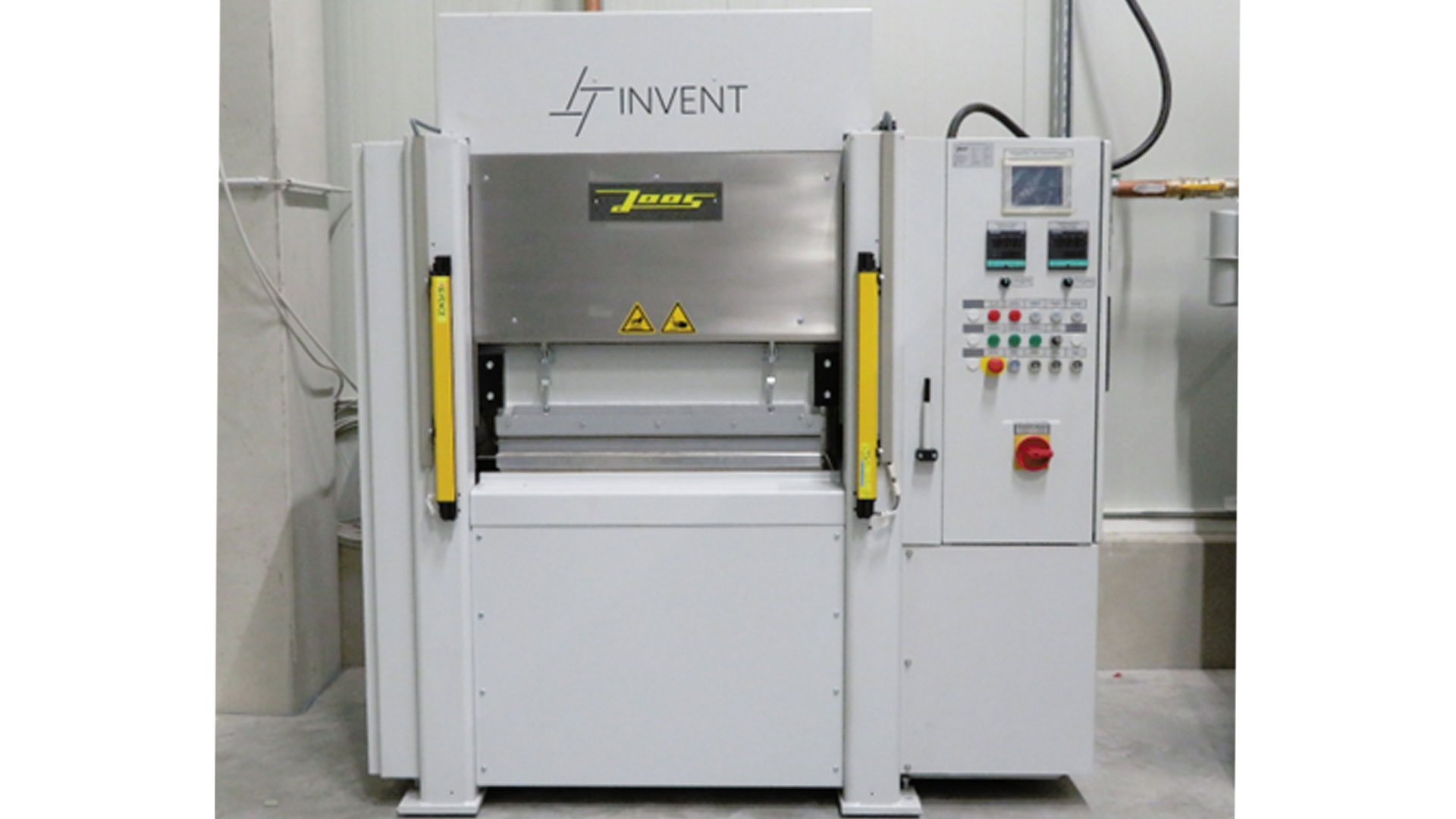
Zur Verarbeitung von Schnittmassen, wie z.B. Rezyklaten, oder für spezielle Prozessvarianten in der Laminat- und Sandwich-Fertigung verwenden wir eine Presse mit 200 kN Presskraft. Sie hat eine Aufspannfläche von 840 x 500 mm, eine Presshöhe von bis zu 250 mm und ist bis 200 °C beheizbar.
Die Presse wird unter anderem für Serienbauteile für die Luftfahrt genutzt, wofür materialeffizient der Verschnitt größerer Prepreg-Bauteile genutzt wird.
Zerspanung
Im Bereich der maschinellen Zerspanung werden auf CNC-gesteuerten Dreh- und Fräsmaschinen Bearbeitungen an Faserverbundwerkstoffen und Metalllegierungen mit höchsten Toleranzanforderungen gefertigt.
Die Vielfalt und Größe der Anlagen ermöglicht es, viele Prozessschritte im Haus zu behalten, von einfachen Fertigungsmitteln über Formenbau (vor allem aus Aluminium und Polyurethanwerkstoffen) bis hin zu metallischen Bauteilkomponenten aus Aluminium, Titan oder Stahl und schlussendlich den Komponenten aus Faserverbundwerkstoffen.
Previous
Next
Previous
Next
Lackierung
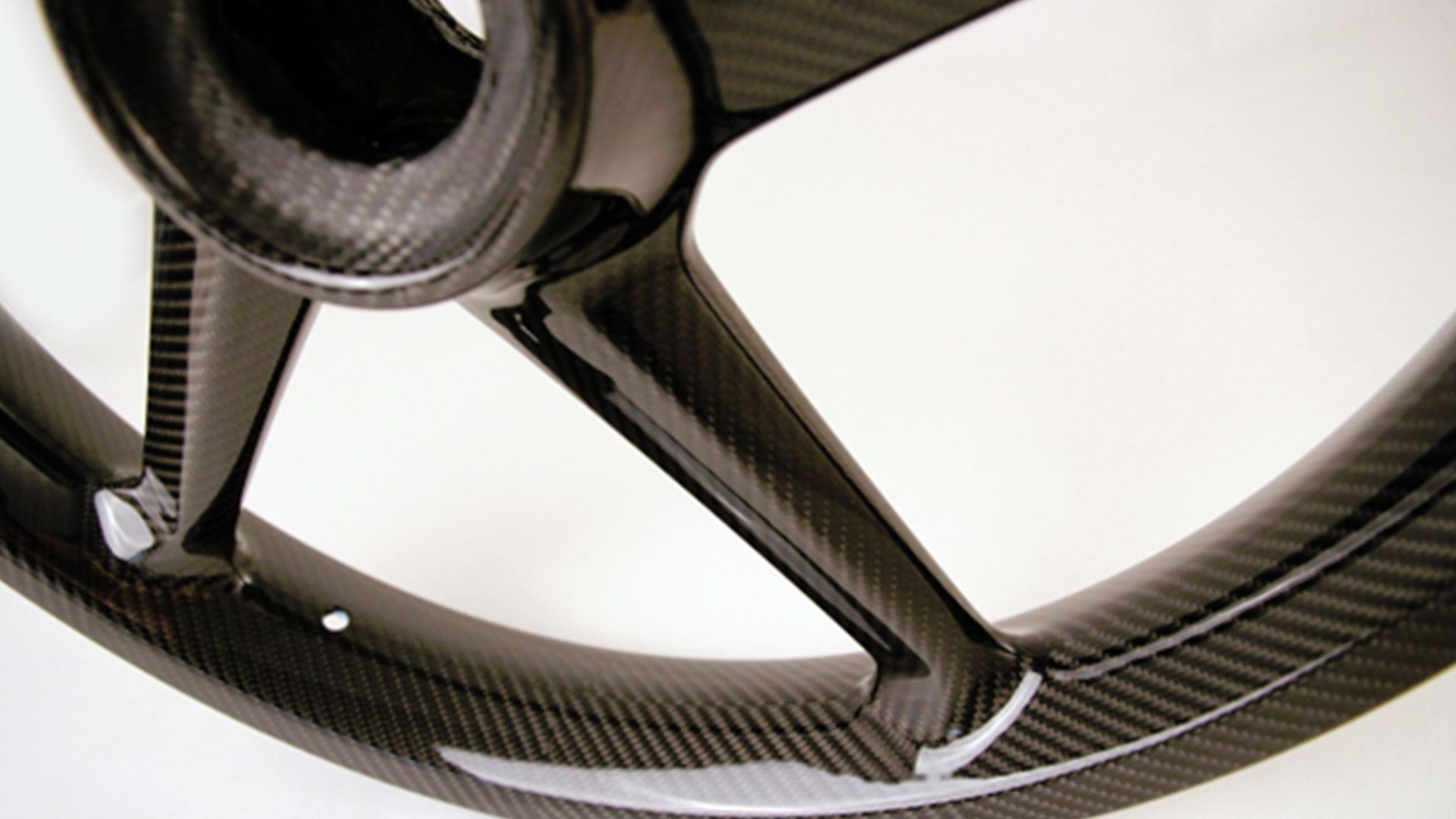
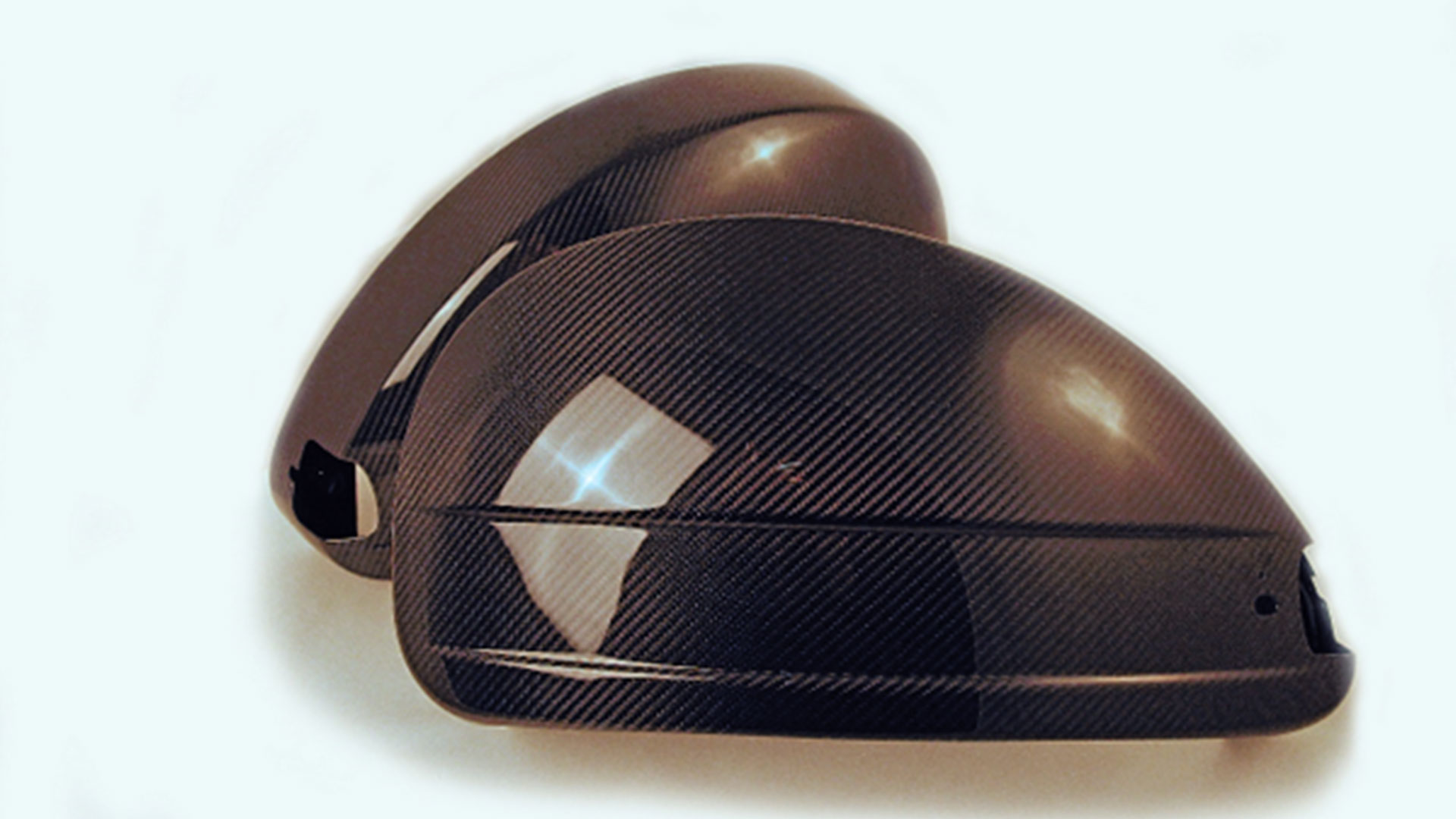
Oberflächen von Faserverbundstrukturen erfordern häufig eine der Anwendung angepasste Beschichtung, sei sie funktional oder dekorativ. Unsere Oberflächenexperten bearbeiten diese Oberflächen daher je nach Bedarf mit Füller und Primer, bevor in der Lackierkabine die Beschichtung erfolgt.
Die Fotostrecke zeigt Beispiele, die vom Automobilbereich über Luftfahrtanwendungen bis zu Raumfahrtbauteilen reichen.
Für unsere Serienbauteile in der Luftfahrt wenden wir nach Airbus QSPL qualifizierte Prozesse an.
Klebtechnik
Kleben ist häufig die erste Wahl, wenn es um das Fügen von Faserverbundwerkstoffen geht: Sei es für das direkte Fügen von Faserverbundkomponenten untereinander oder sei es für die Verbindung zu den metallischen Anbauteilen.
INVENT verfügt daher über umfangreiche Erfahrung im Umgang mit einer Vielzahl geeigneter Klebstoffe und der entsprechenden Technik. Ob Film-, Injektions- oder sonstige pastöse Klebstoffe: für die Anwendungen der Luft- und Raumfahrt stehen entsprechend qualifizierte Oberflächen- und Verarbeitungsprozesse für viele Klebstoffe zur Verfügung.
Hier zahlt sich die Mühe der vorangegangenen Prozessschritte aus, wenn die Präzision stimmt und die Komponenten im Zusammenspiel die Funktionsanforderungen des Gesamtproduktes erfüllen.
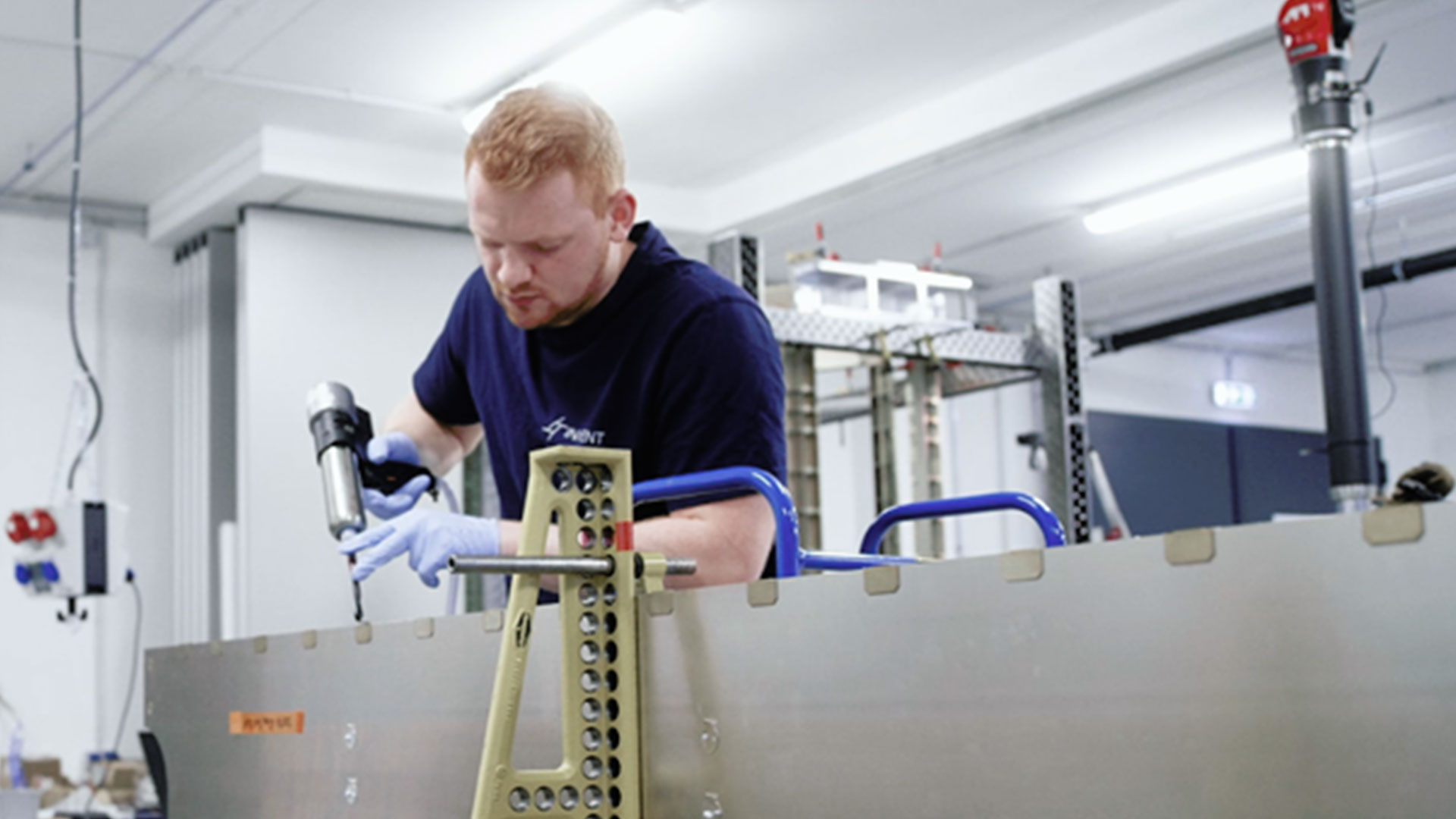
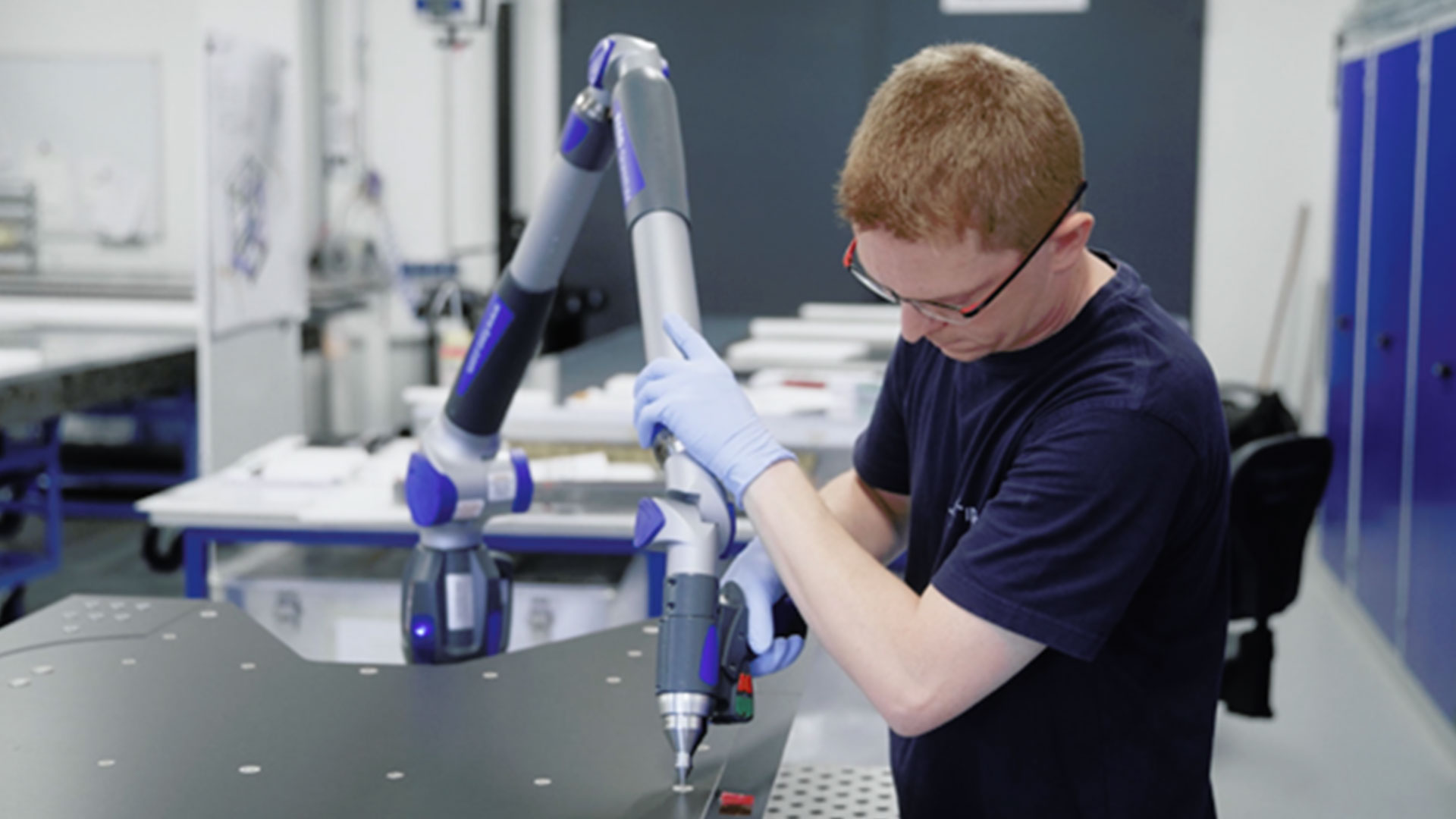
Wie in den anderen Prozessen, so führt auch hier erst die Kombination aus Erfahrung und Ausstattung zum Erfolg. Unser Team kann unter anderem auf hochgenaue Lasertracker und Messarme zurückgreifen und nutzt individuell angepasste Vorrichtungen zum Ausrichten komplexer Baugruppen.
Unsere Unternehmensgeschichte „25 Jahre INVENT“ zeigt dazu viele weitere Beispiele.
STÜTZSTRUKTUREN
Primäre Strukturelemente von Raumfahrzeugen und deren Equipment werden zum Teil durch weitere, kleinere Komponenten, sogenannte Stütz- oder Tertiärstrukturen, getragen. INVENT bietet hierbei:
Entwicklung individueller Designlösungen
GFK / CFK und metallische (Al, Ti, Invar) Strukturen
isostatische Lagerungen
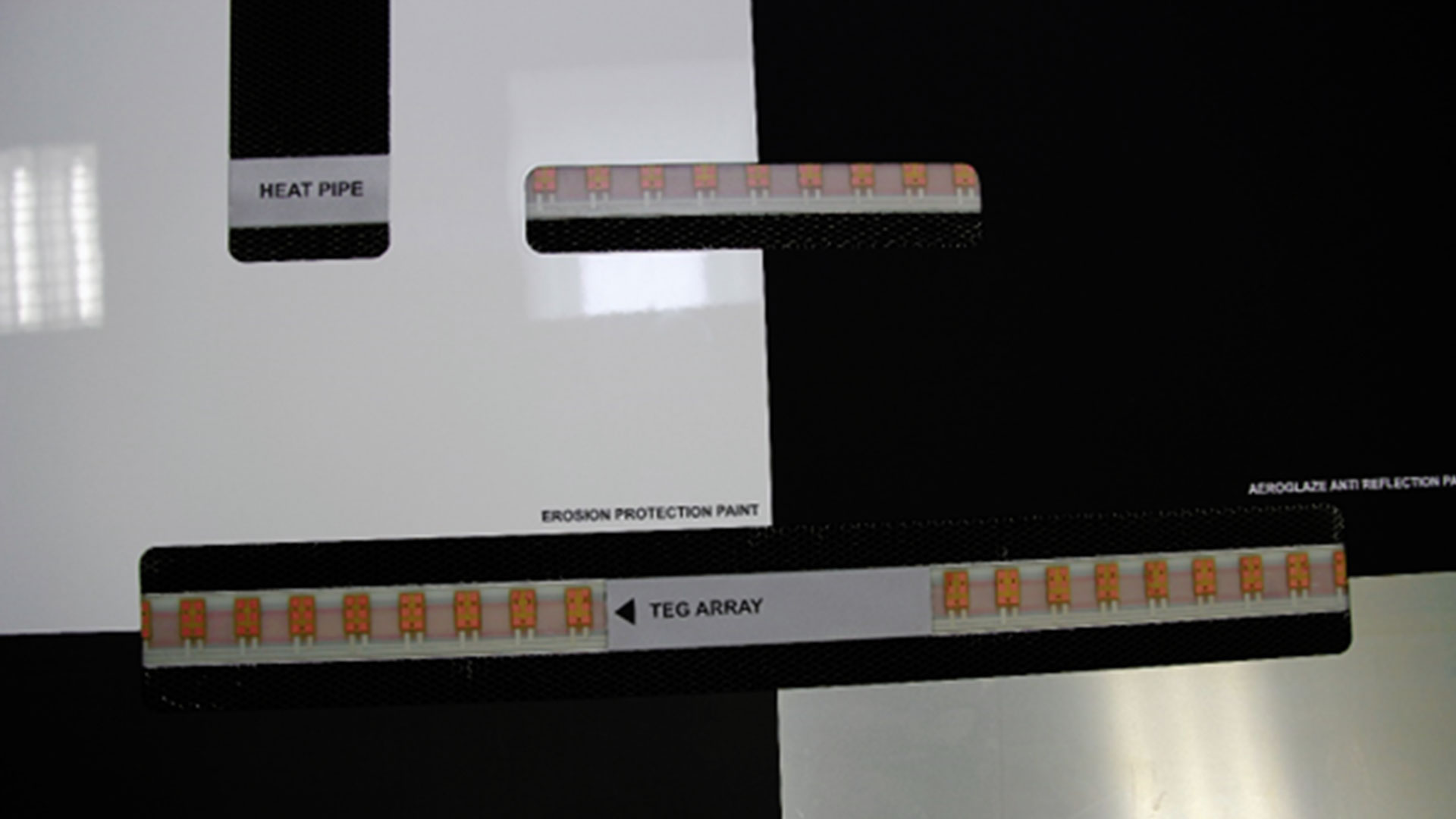
Oberflächenbeschichtungen auf Metall und CFK (thermisch, optisch, elektrisch)
(Teil-)Montage
Referenzen:
ExoMars
MTG
Metop-SG
eROSITA
Herschel
EnMap
Bepi Colombo
SWARM
MicroCarb
Strukturpaneele
Flache Strukturpaneele, basierend auf CFK oder Aluminium-Deckschichten und Wabenkernen, sind klassische Strukturelemente von Raumfahrzeugen. Das Produktportfolio von INVENT für die Prototypen- und Serienfertigung umfasst folgende Eigenschaften der Strukturpaneele:
CFK oder Aluminium Deckschichten
min. Deckschichtdicke 0,1 mm
max. Abmessungen 4 x 2,5 m
heterogener Wabenaufbau
lokale Strukturdoppler
Heiß- und Kaltklebeprozesse für Inserts (verschiedene Arten)
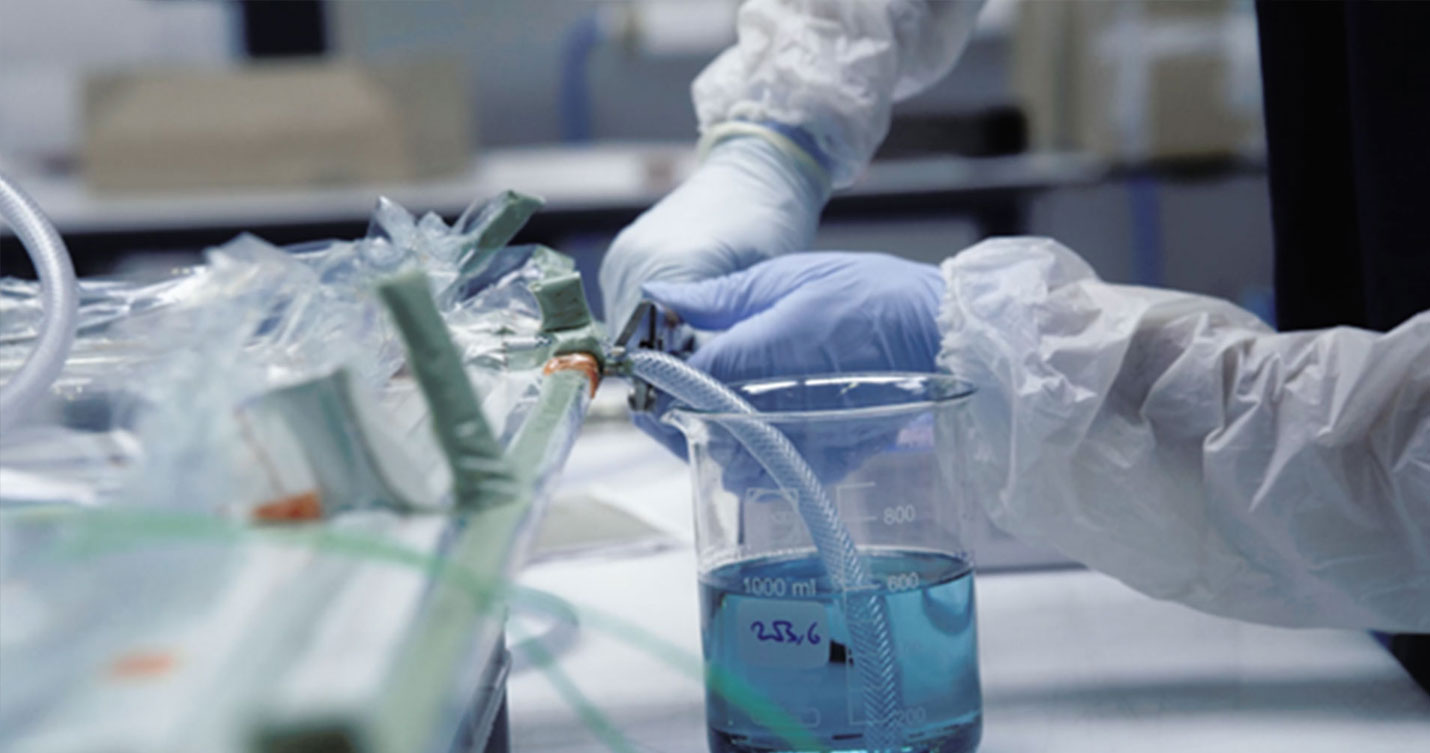
Novel material combinations, a wide variety of shapes or precise geometries produced using resin injection or infusion processes are part of the daily business of our production team. Our expertise is backed up by a comprehensive range of equipment, so we are happy to meet all customer wishes and technical requirements.
For resin injection, we not only use a classic injection system, but also draw on the support of our autoclaves. The differential pressure process (DP-RTM) applied in this way then does not require pressure-stable, i.e. solid, two-part moulds: An enormous economic advantage for prototypes and small series.
Prepreg / Autoclave-Process
The three autoclaves are the driving forces behind laminate and sandwich production at INVENT. With the facilities in the usable dimensions ø80×150, ø150×600 and ø200×400 cm, not only a high capacity is available.
This size staggering also always allows the most energy-efficient operation possible for small, medium and large components.
For particularly precise and time-efficient cutting of the prepreg layers, INVENT uses an automatic cutter table.
With this technology the cutting process is automated. The material-efficient planning of the geometrically arbitrarily complex pre-forms in the desired fibre directions is also software-bound “by pushing a button”.
In addition to typical prepreg production, the autoclaves at INVENT are also used for laminate production in the resin injection process. INVENT uses the differential pressure process (DP-RTM), which does not require two-part pressure-stable moulds.
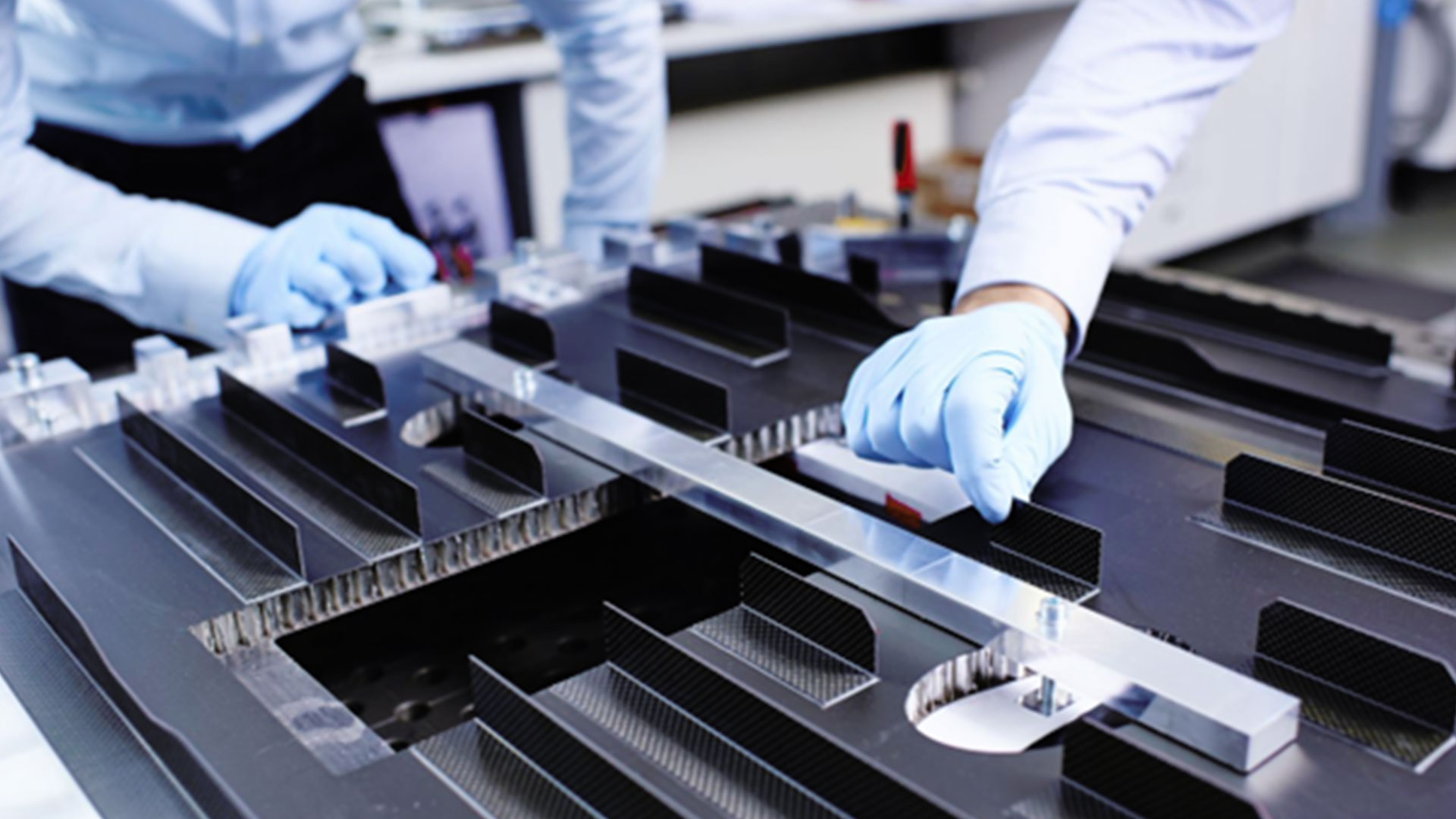
Beyond the laminates, the structural panels are part of the daily business of the autoclaves, either for sandwich bonding – i.e. the bonding of the facesheets with the honeycomb core – or the bonding of doubler laminates, which locally reinforce the facesheets.
Filament Winding Process
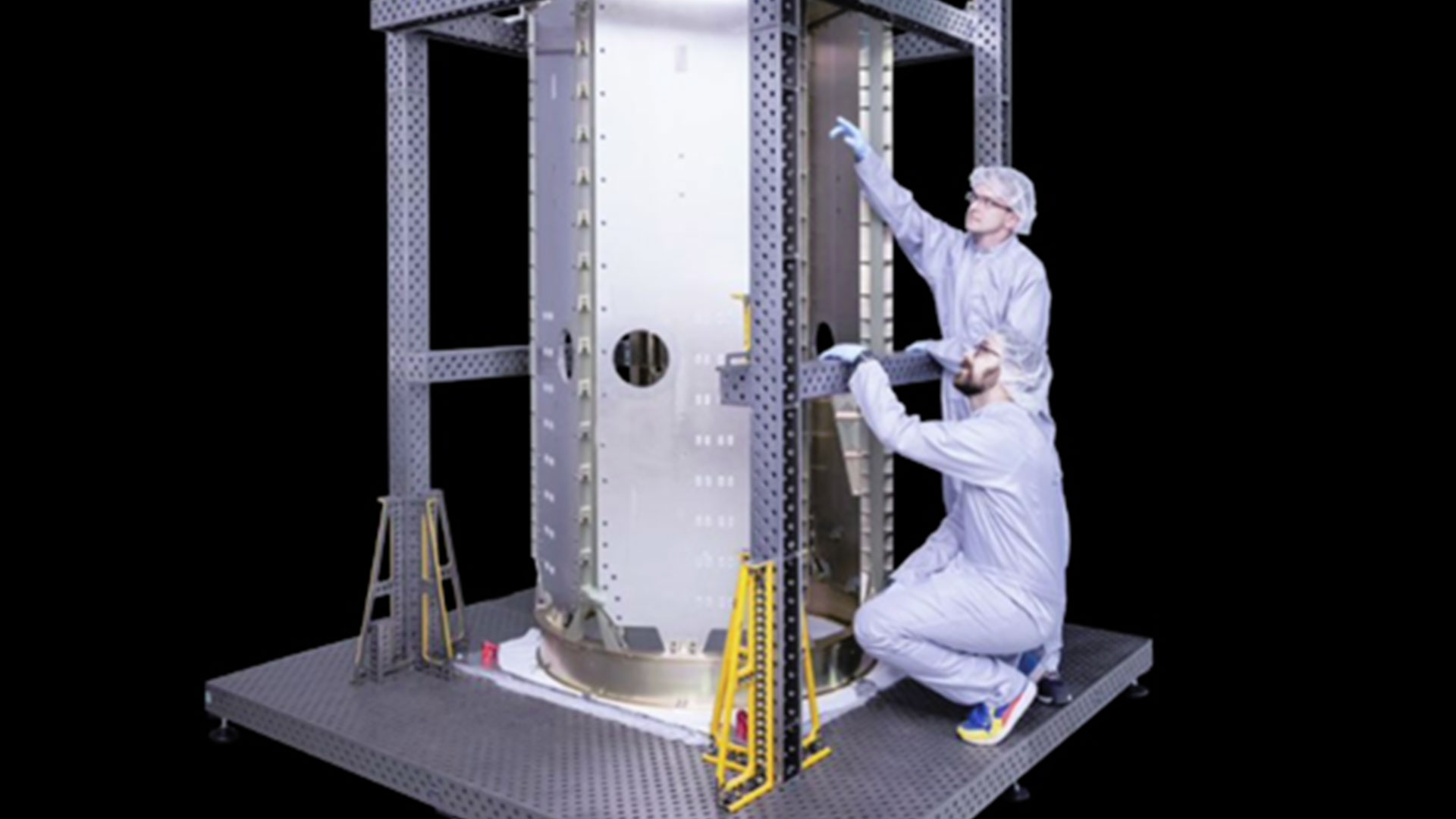
Filament winding technology has accompanied INVENT since the company was founded, so that our wound components now contain more than 25 years of experience. In 2019, a new 5-axis machine was brought into operation, which enables it to produce components with maximum dimensions of 1.65 m in diameter and 4 m in length.
This means that our product range extends from semi-finished products (“in-house prepregs”) to supports & struts and containers & tanks in all sizes to central tubes for spacecraft structures.
Compression Moulding
We use a press with 200 kN compression force for processing cut bulk masses, such as recyclates, or for special process variants in laminate and sandwich production. It has a clamping surface of 840 x 500 mm, an opreation height of up to 250 mm and can be heated up to 200 °C.
The press is used, among other things, for series components for the aerospace industry, for which the offcuts of larger prepreg components are used in a material-efficient way.
Machining
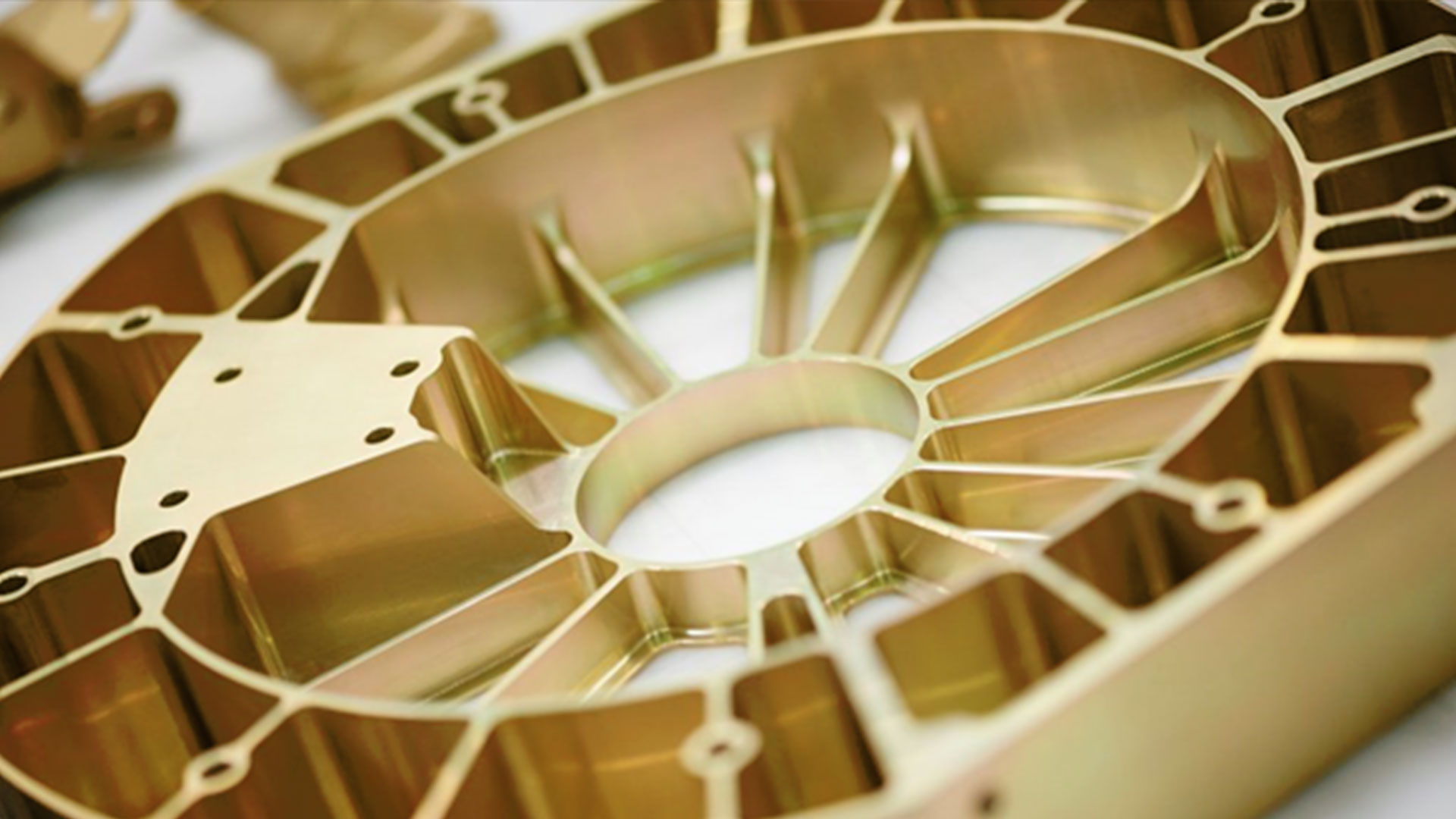
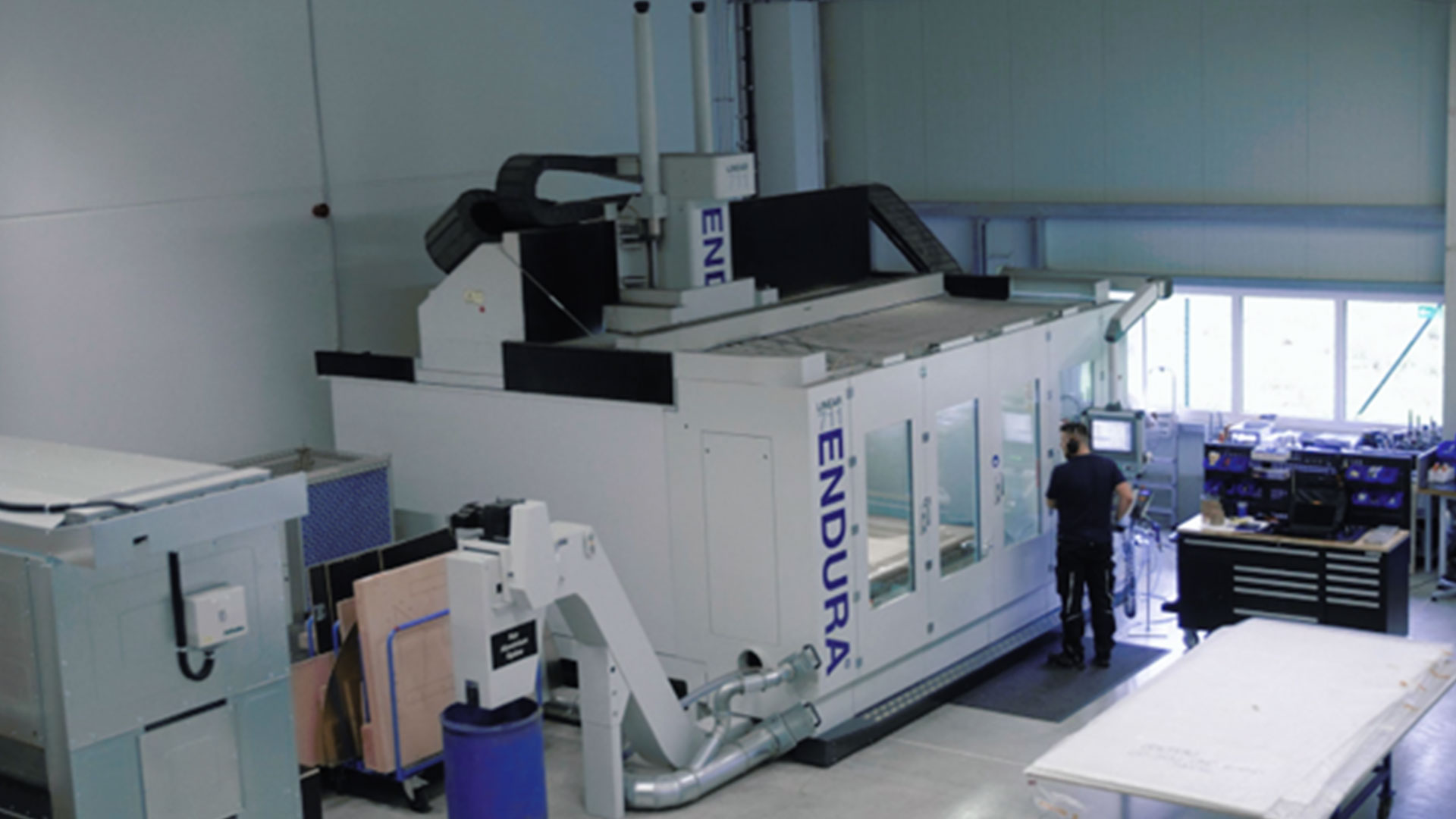
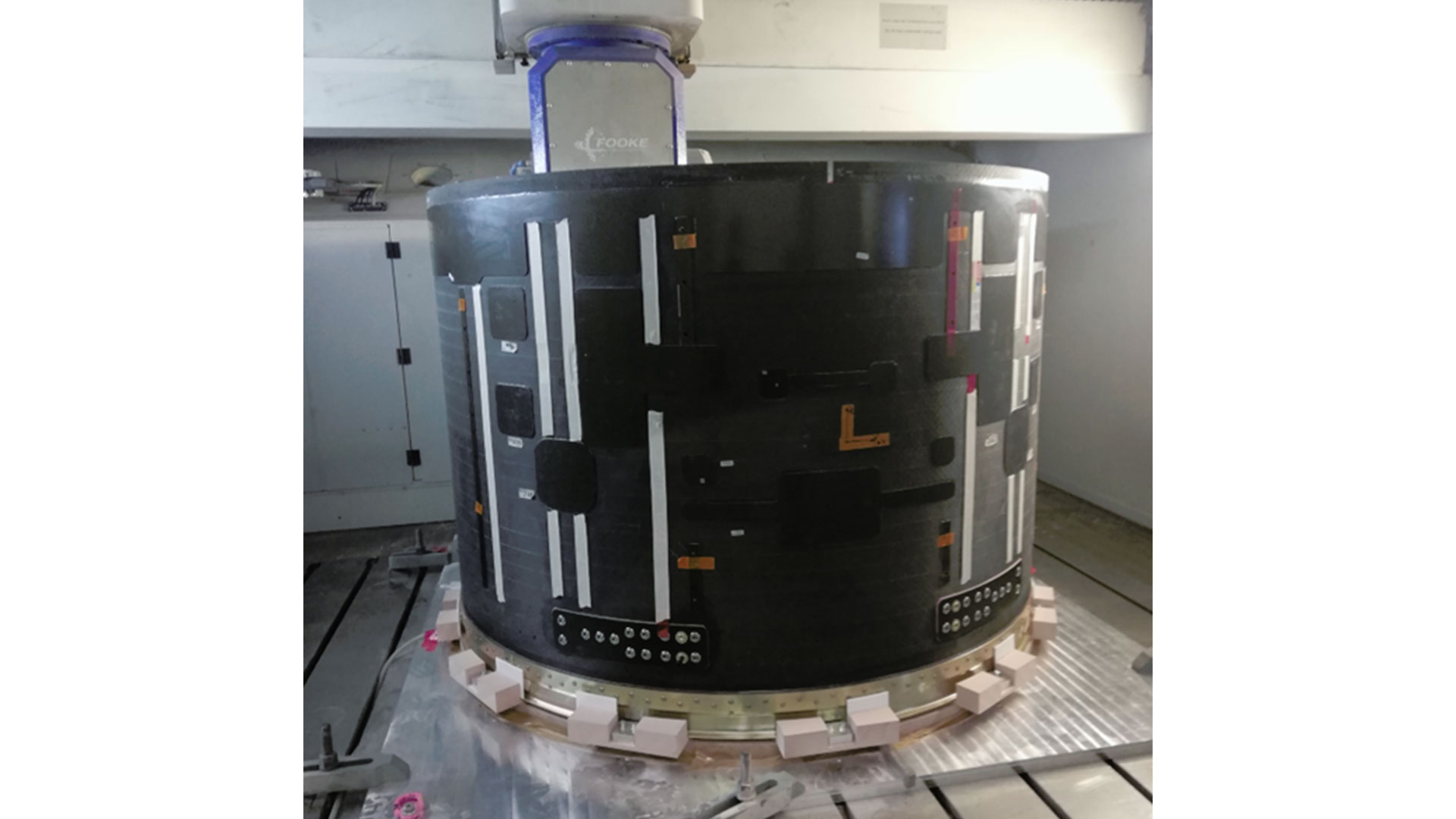
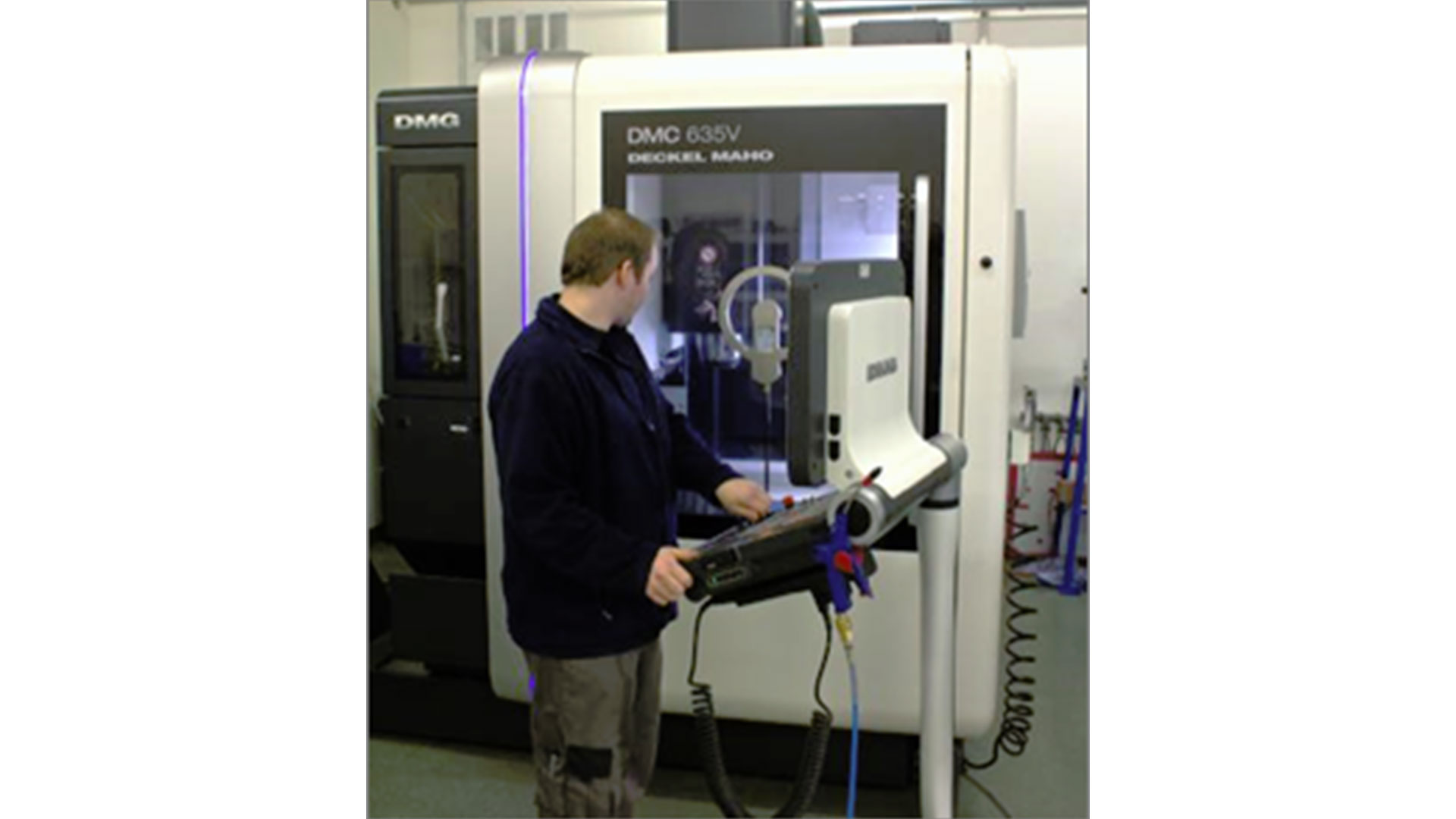
In the area of machining, CNC-controlled lathes and milling machines are used to produce machining operations on fibre composites and metal alloys with the highest tolerance requirements.
The variety and size of the equipment makes it possible to keep many process steps in-house, from simple production equipment to mould making (primarily from aluminium and polyurethane materials) to metallic component parts made from aluminium, titanium or steel and finally the components made from fibre composites.
Previous
Next
Previous
Next
Painting & Coating
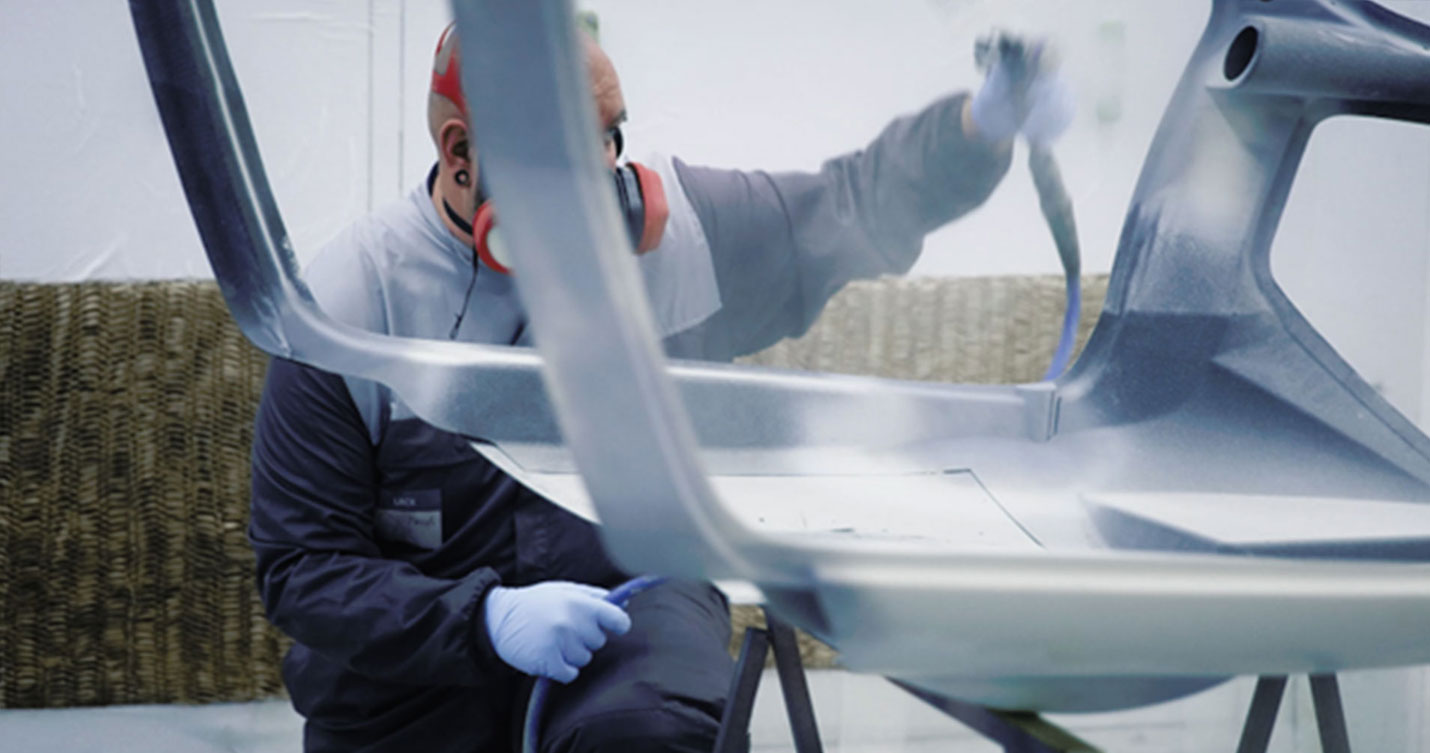
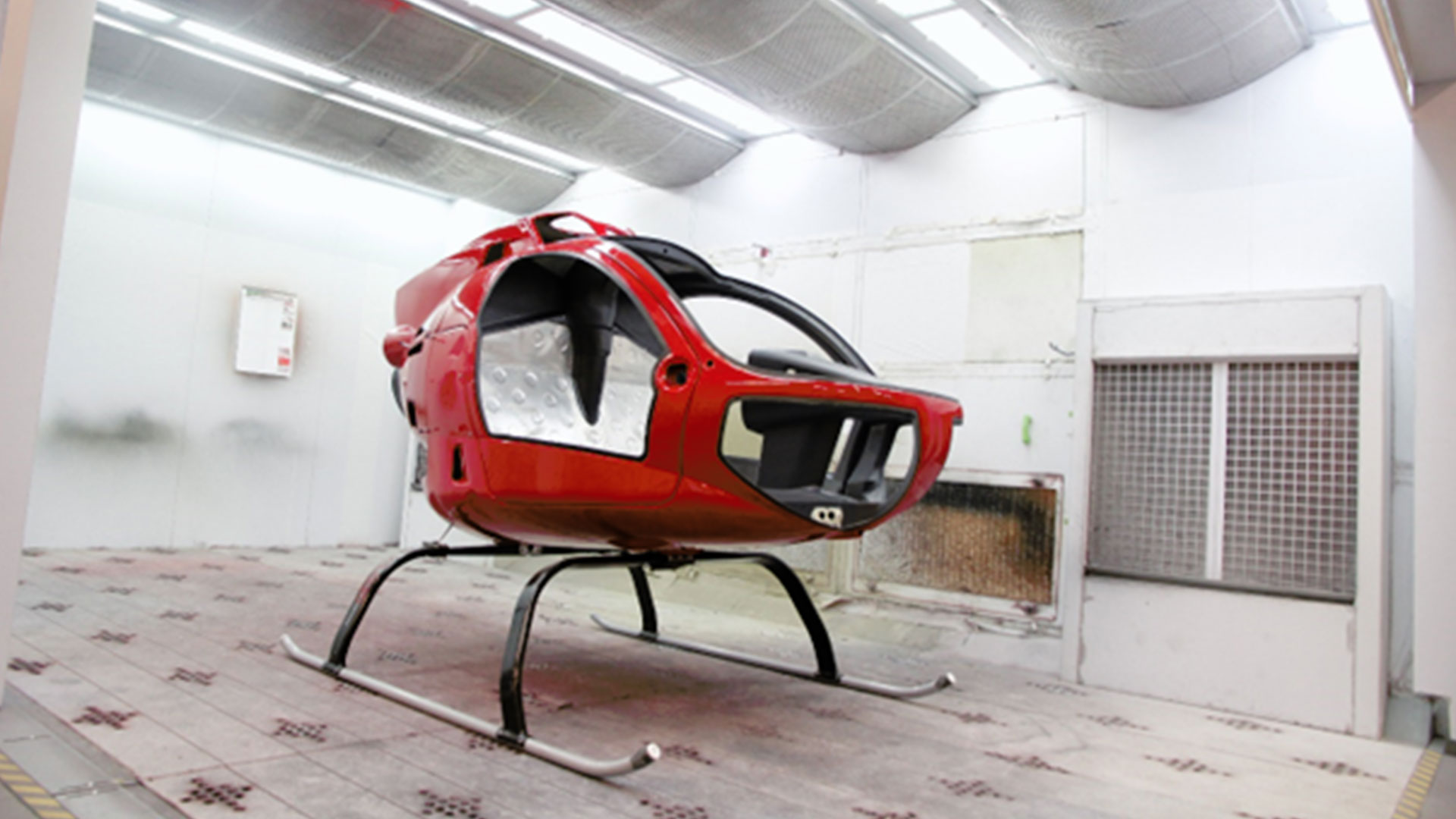
Surfaces of fibre composite structures often require a coating adapted to the application, either functional or decorative. Our surface experts therefore process these surfaces with filler and primer as required before the coating is applied in the paint booth. The picture series shows examples ranging from the automotive sector to aviation applications and space components.
For our series components in aviation, we apply processes qualified according to Airbus QSPL.
Adhesive Bonding
Adhesive bonding is often the first choice when it comes to joining fibre composites: be it for the direct joining of fibre composite components to each other or be it for the connection to the metallic add-on parts.
INVENT therefore has extensive experience in the use of a wide range of suitable adhesives and the corresponding technology. Whether film, injection or other pasty adhesives: for aerospace applications, appropriately qualified surface and processing techniques are available for many adhesives.
Assembly & Integration
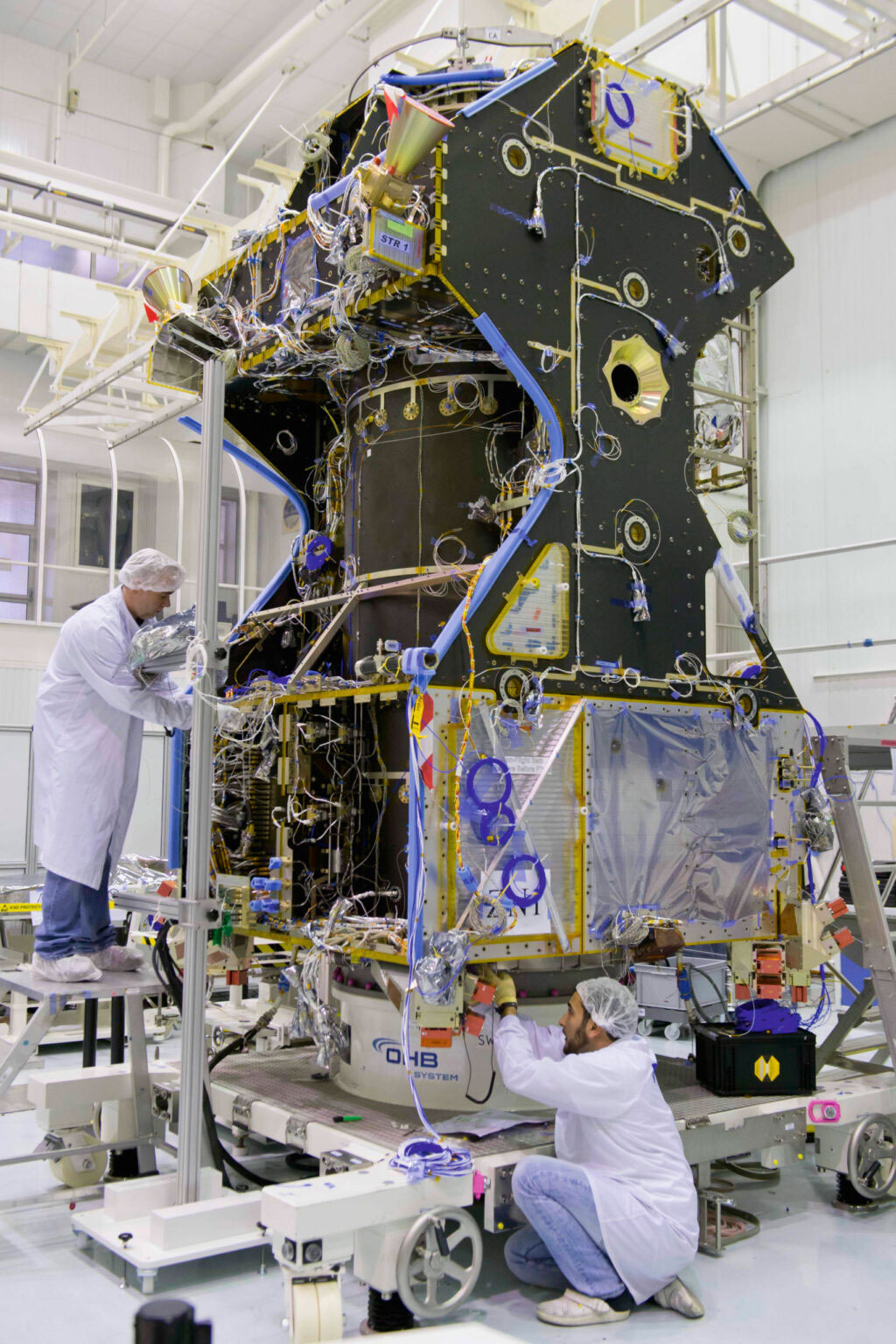
Our process chains run through fibre composite production, machining, painting and bonding technology and often head to an assembly, the so-called integration. Here, the effort of the preceding process steps pays off when the precision is high and the components interact to fulfil the functional requirements of the overall product. Here, the effort of the preceding process steps pays off when the precision is high and the components interact to fulfil the functional requirements of the overall product.
As in the other processes, only the combination of experience and equipment leads to success. Among other things, our team has access to high-precision laser trackers and measuring arms and uses individually adapted fixtures to align complex assemblies.
Our timeline “25 years of INVENT” shows many more examples.
SUPPORT STRUCTURES
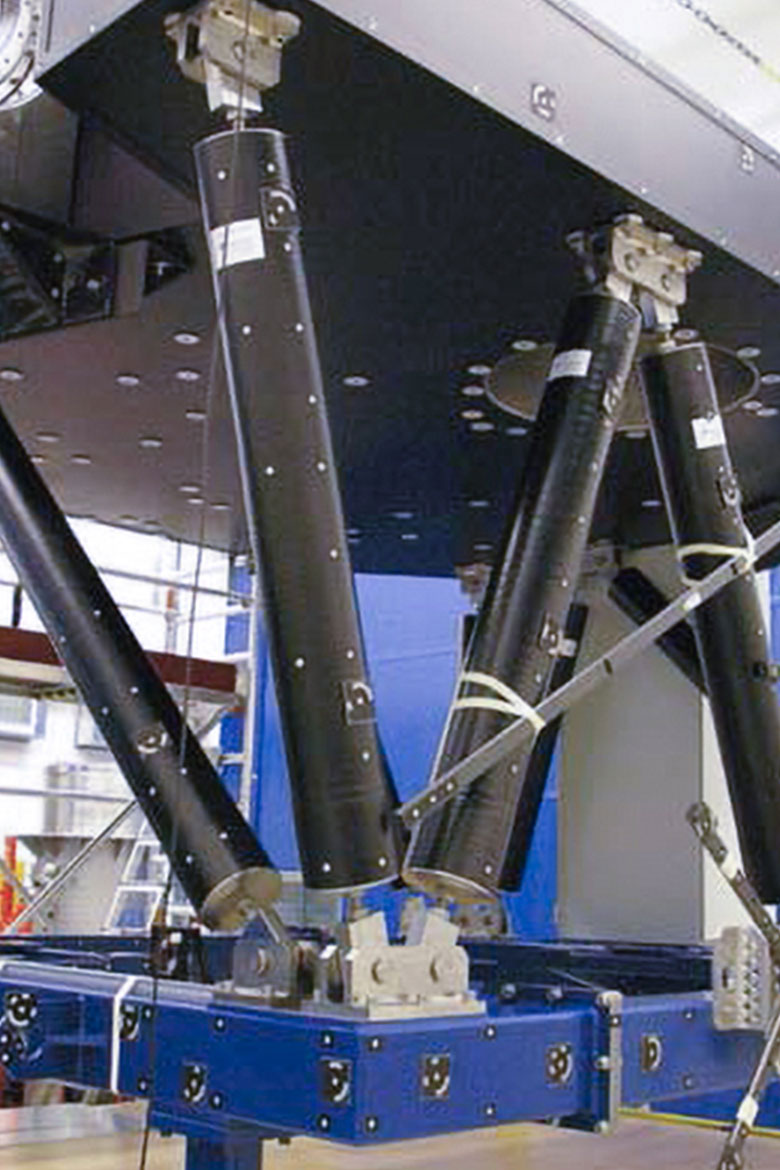
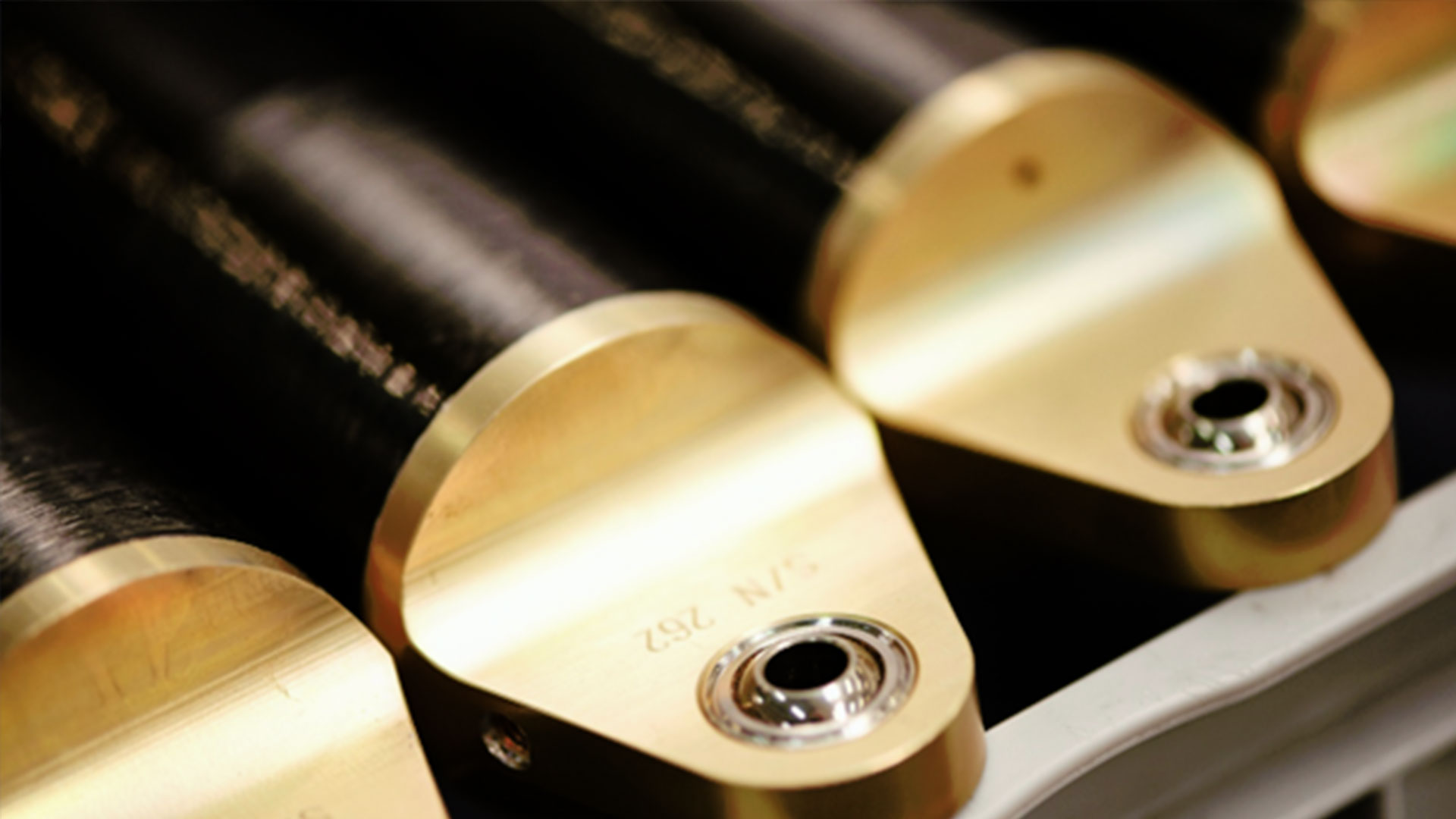
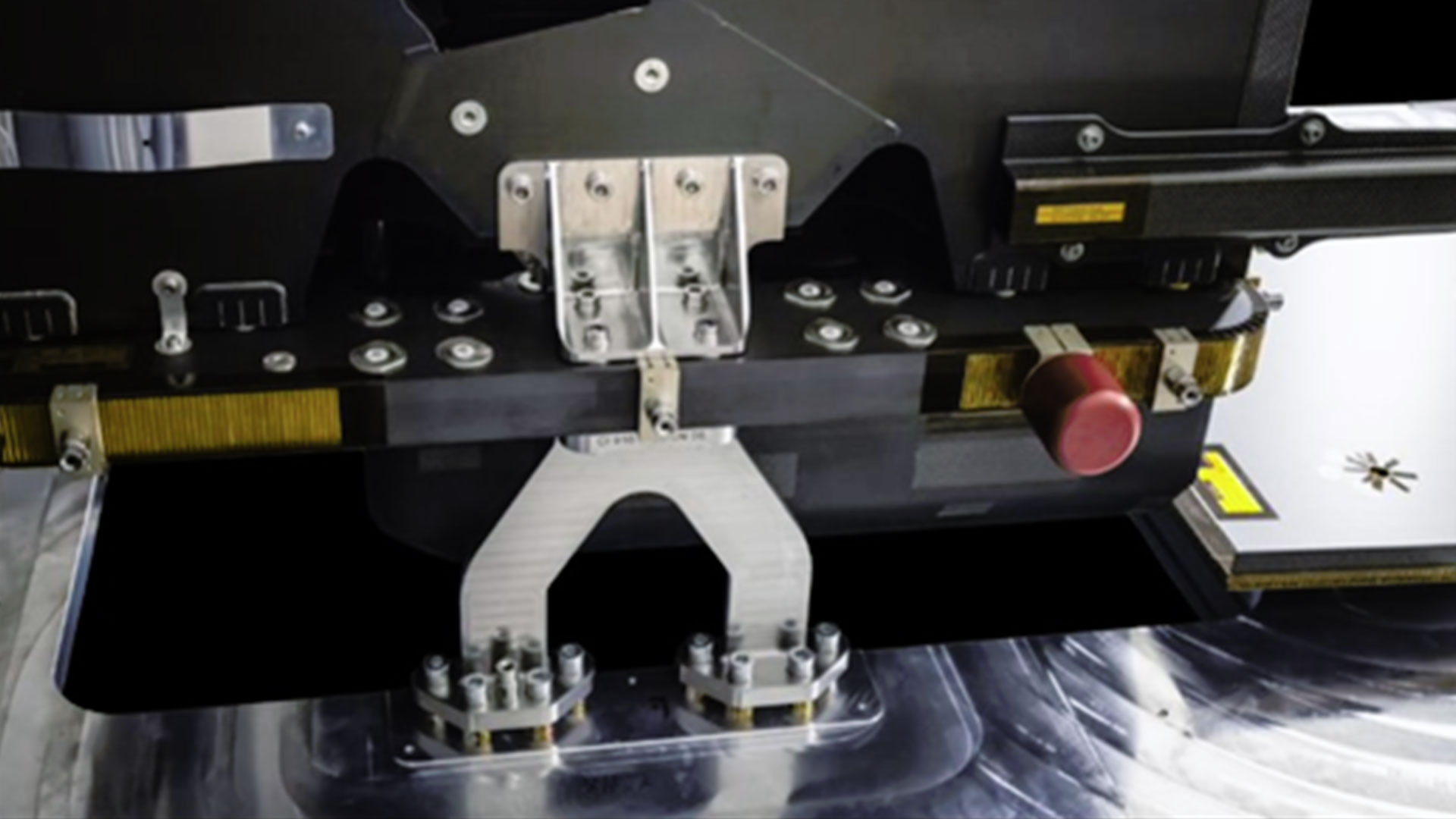
Primary structural elements of spacecraft and their equipment are partly supported by other, smaller components, so-called support or tertiary structures. INVENT offers here:
Development of individual design solutions
GFRP / CFRP and metallic (Al, Ti, Invar) structures
Isostatic mounts
Surface coatings on metal and CFRP (thermal, optical, electrical)
(Partial) assembly
References:
ExoMars
MTG
Metop-SG
eROSITA
Herschel
EnMap
Bepi Colombo
SWARM
MicroCarb
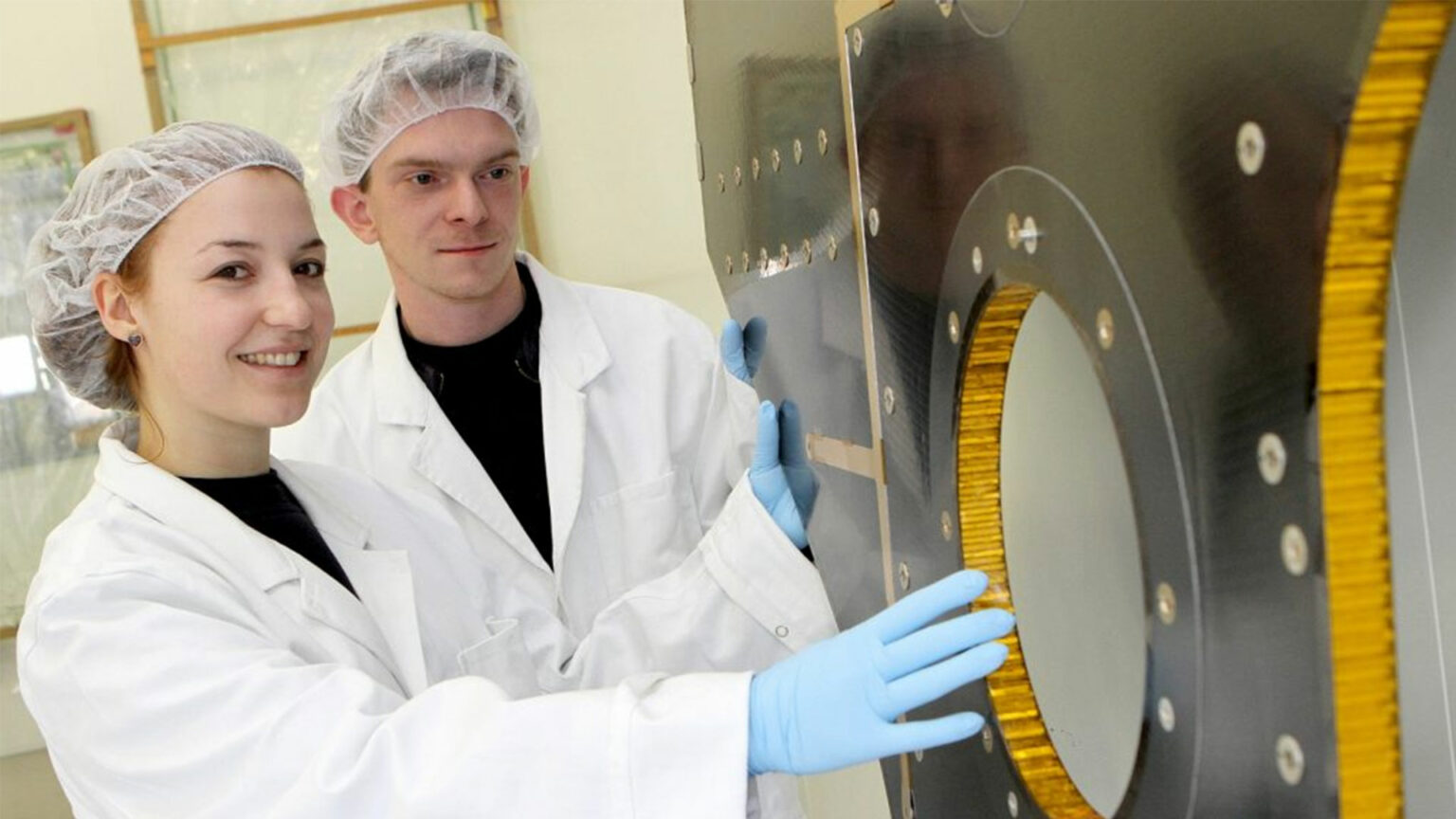
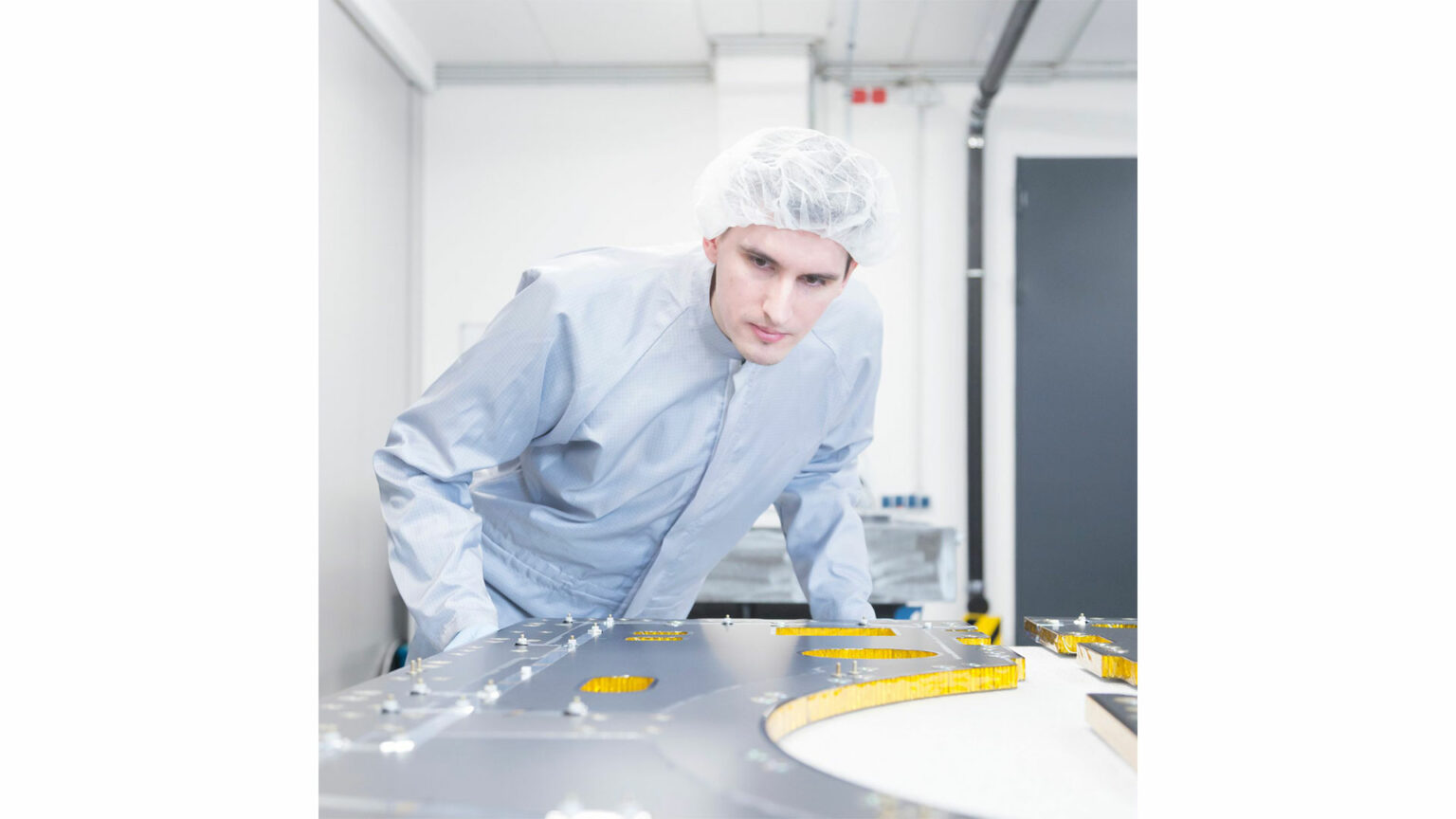
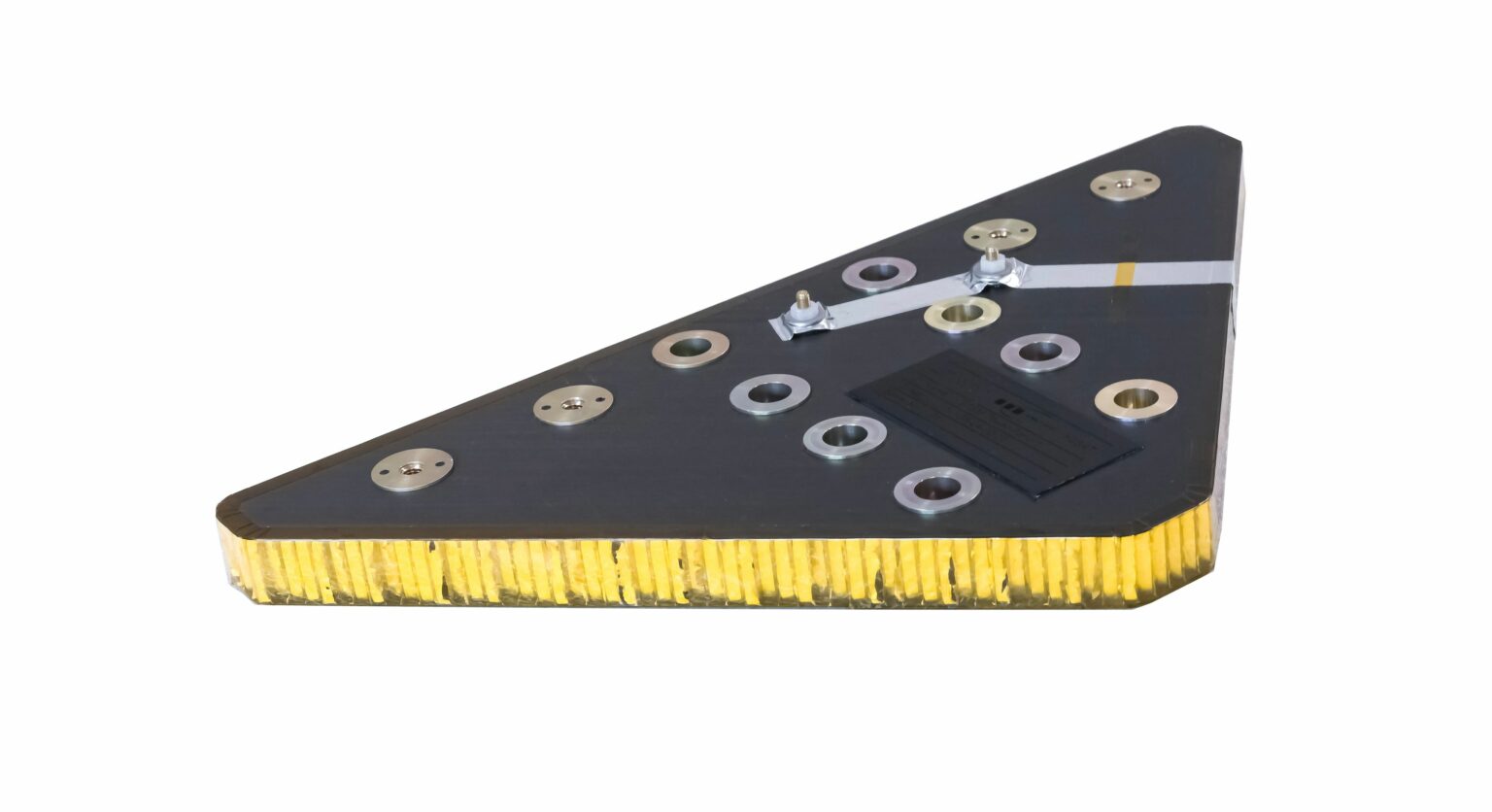
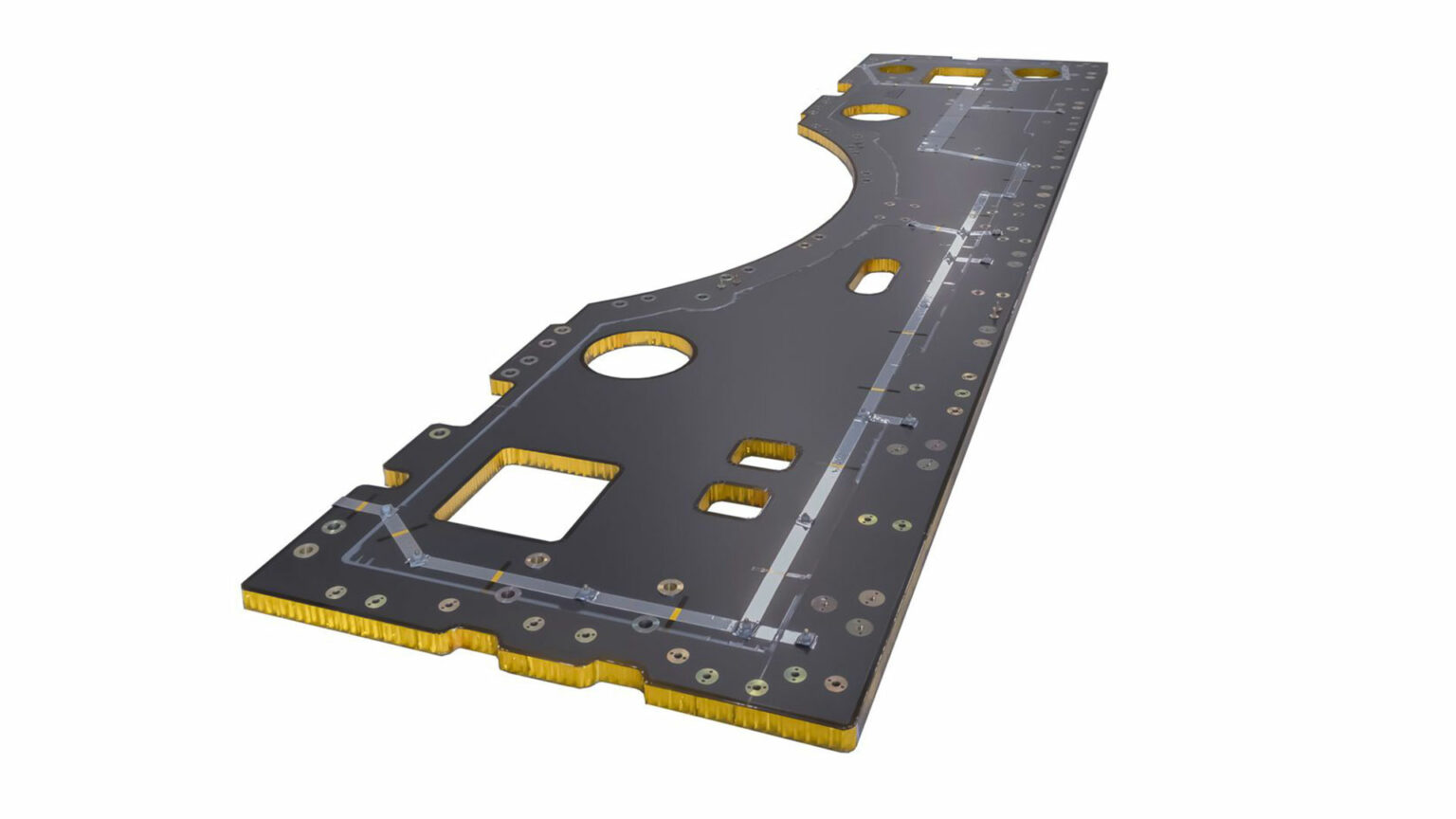
Structural panel
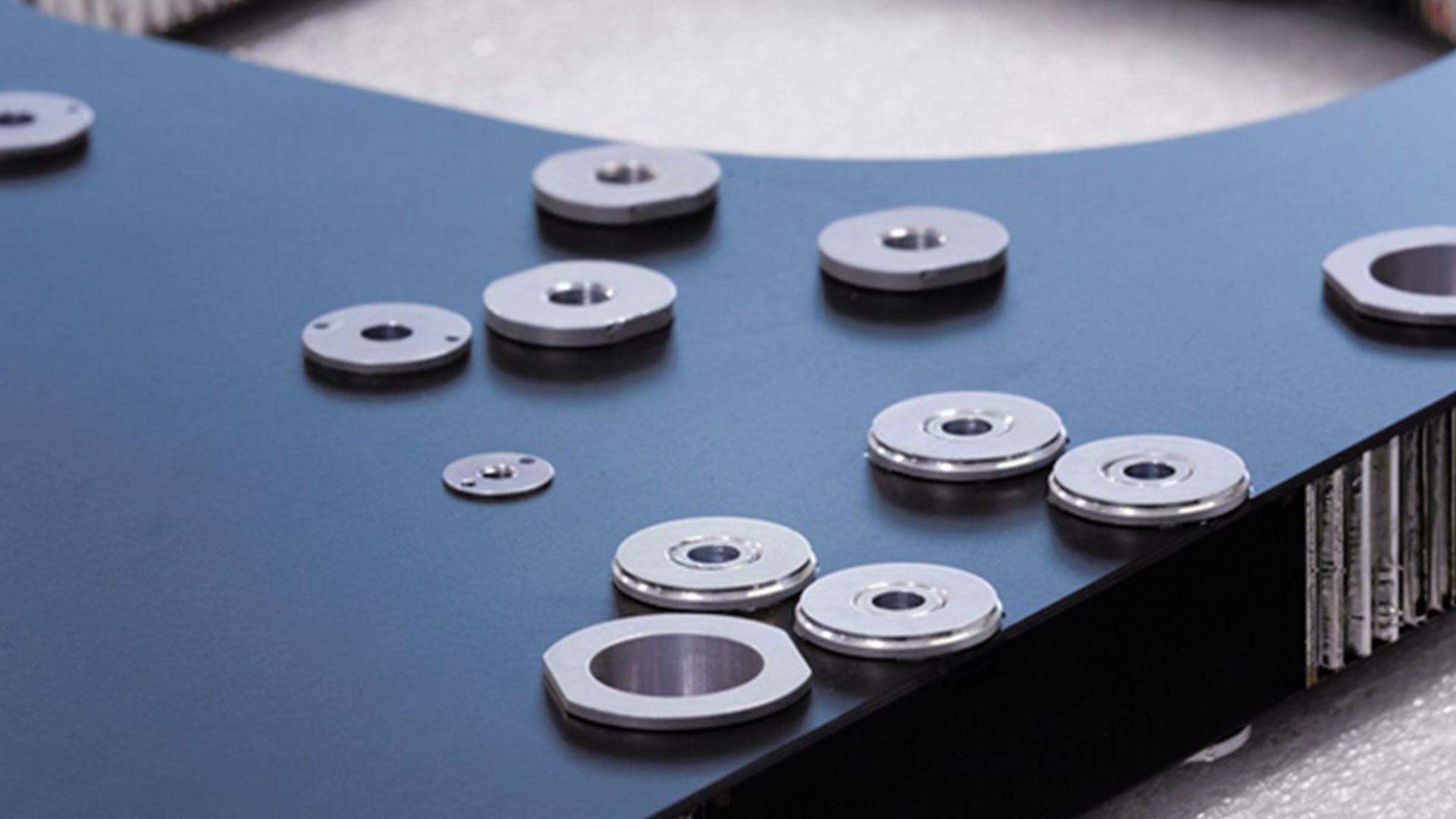
Flat structural panels based on CFRP or aluminium facesheets and honeycomb cores are classic structural elements of spacecrafts. INVENT’s product portfolio for prototype and series production includes the following structural panel properties:
CFRP or aluminum face sheets
min. min. facesheet thickness 0.1 mm
max. dimensions 4 x 2,5 m
Heterogeneous honeycomb structure
Local structural doublers
Hot and cold bonding processes for inserts (different types)