AVIATION
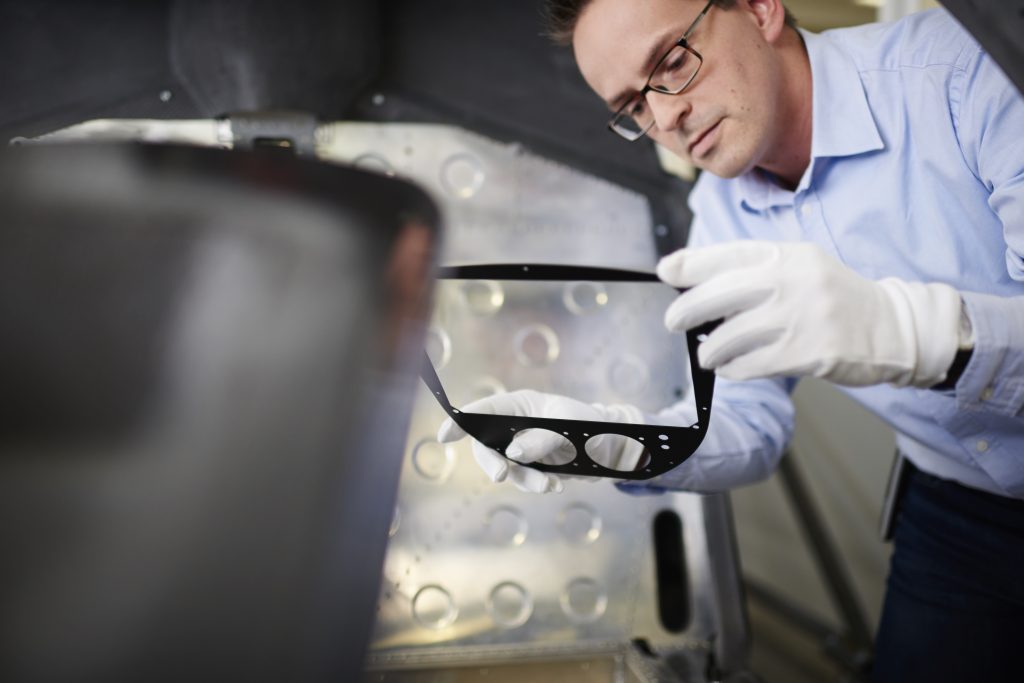
Since the company was founded in 1996, we have been active in the aviation business field. At that time, carbon fibre reinforced plastic fairing elements were produced in injection technology for the Dornier Do 328 Jet.
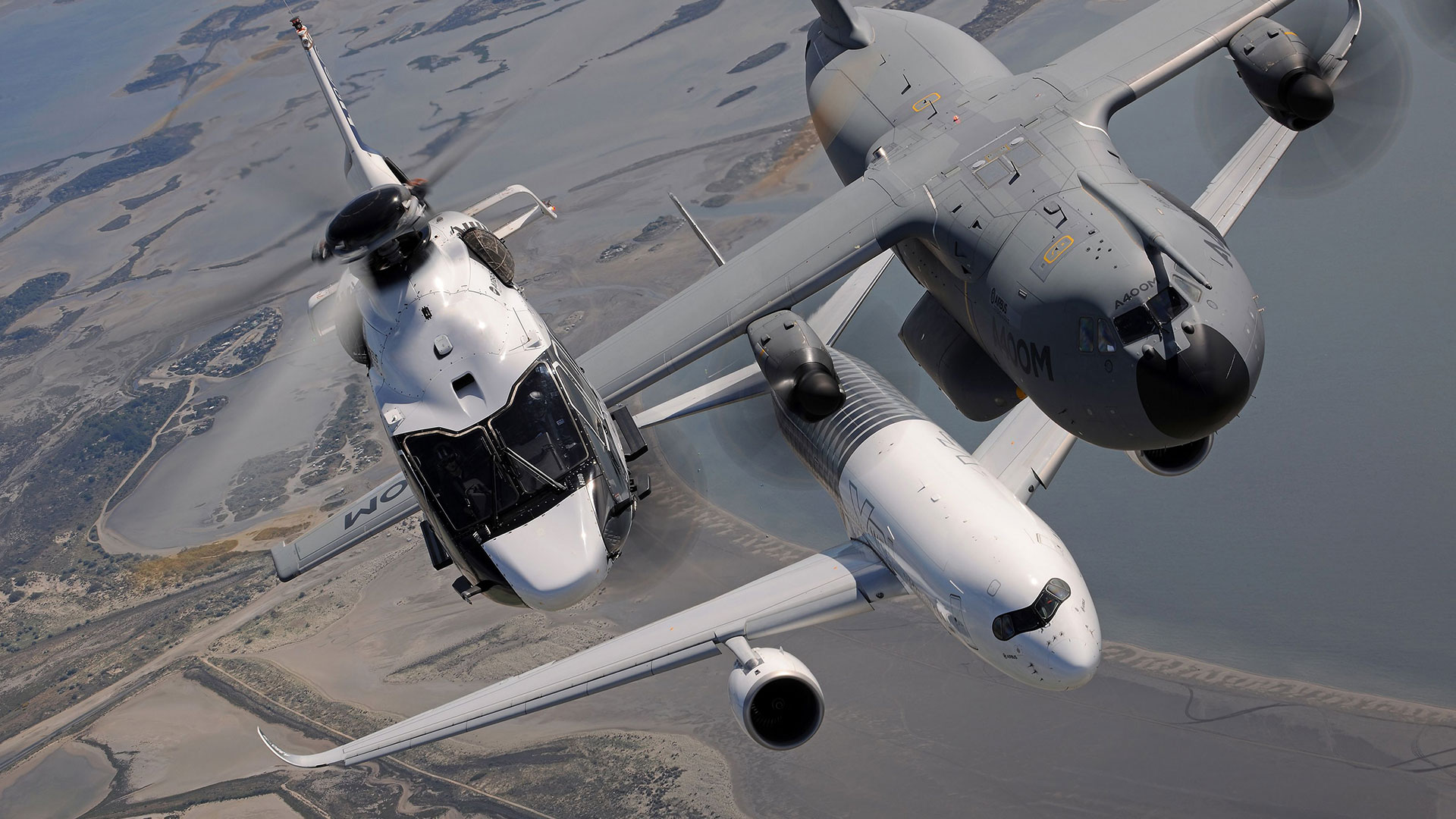
Since then, with strong ties to the German aviation industry, we have spread our wings and become a global supplier, offering series production through to customised developments. Today, INVENT components fly in the aircraft and helicopter programmes of various manufacturers worldwide. We ensure the consistent fulfillment of customer requirements and high quality standards through our DIN EN 9100 certification and Nadcap accreditation for composites—the latter of which has held Merit Status for several years.
Outside of series production, we offer the manufacture of specimens and structures for test programmes, development and construction of prototypes and customer-specific conversions for individual flight missions, as well as the associated fixture construction.
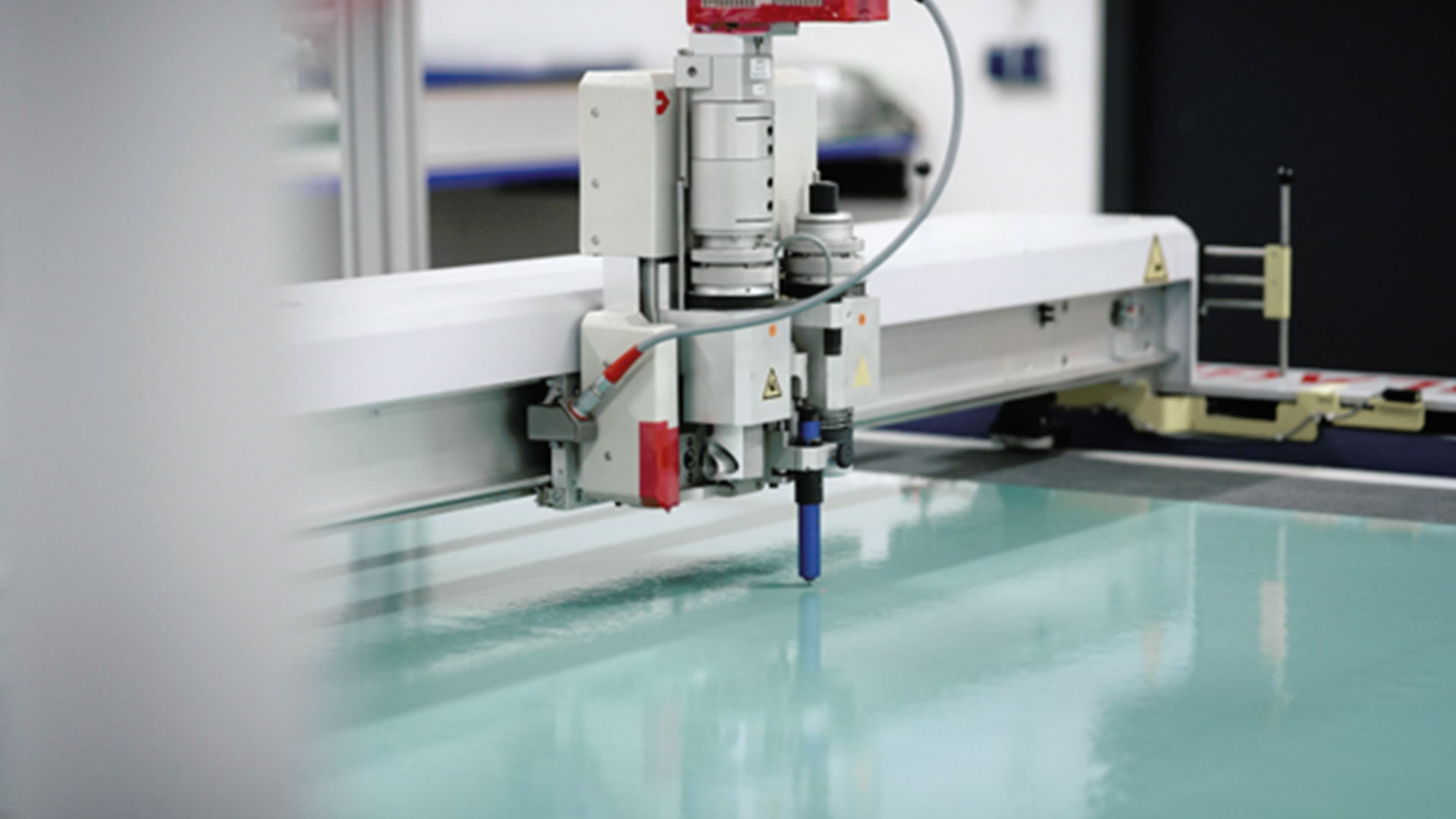
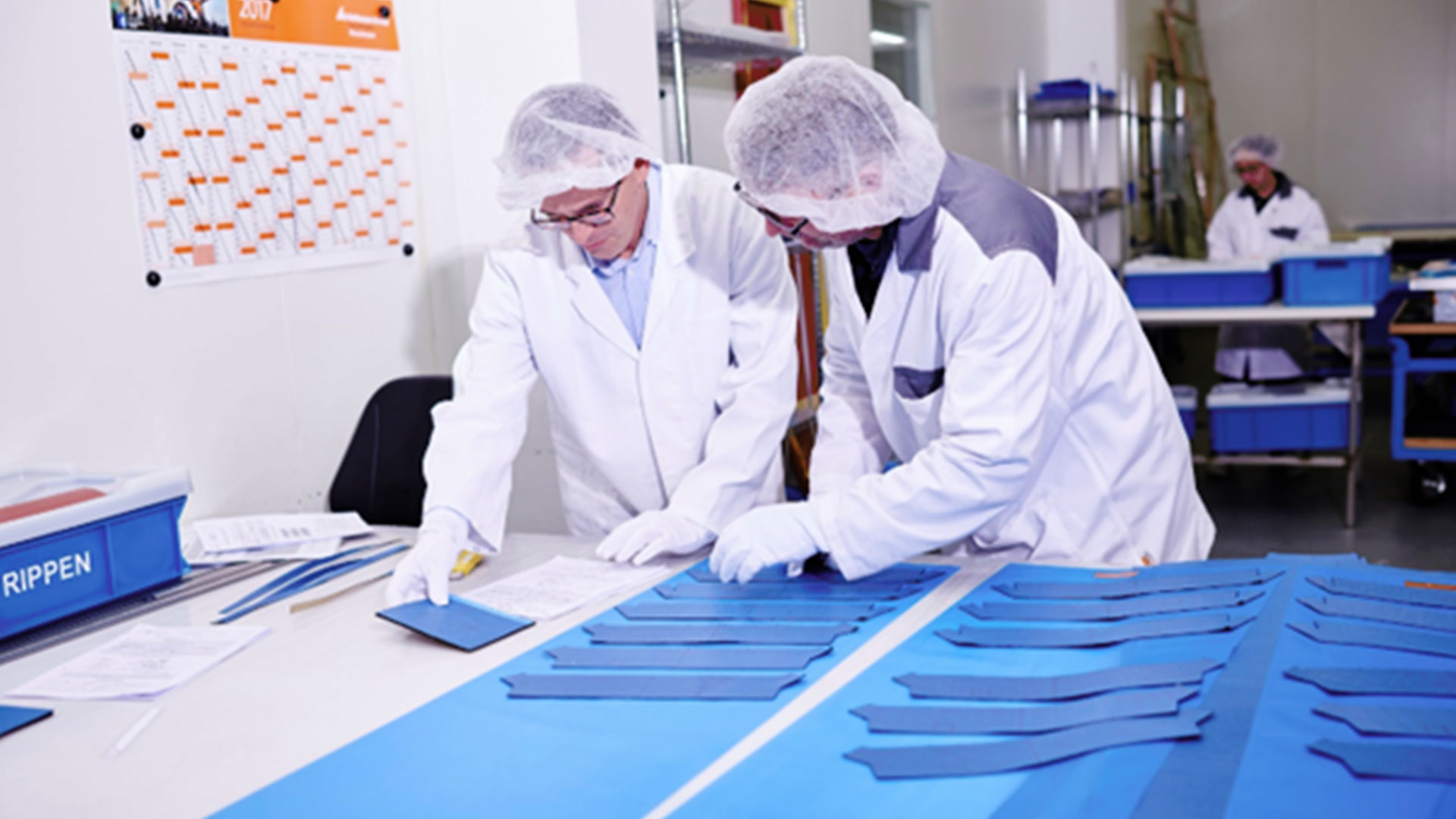
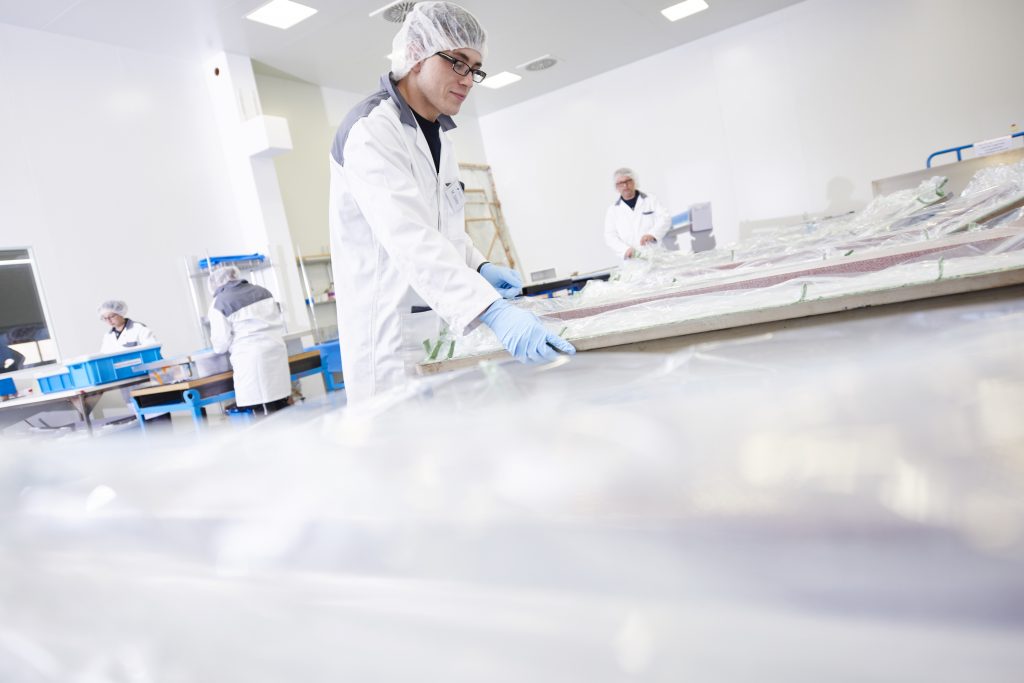
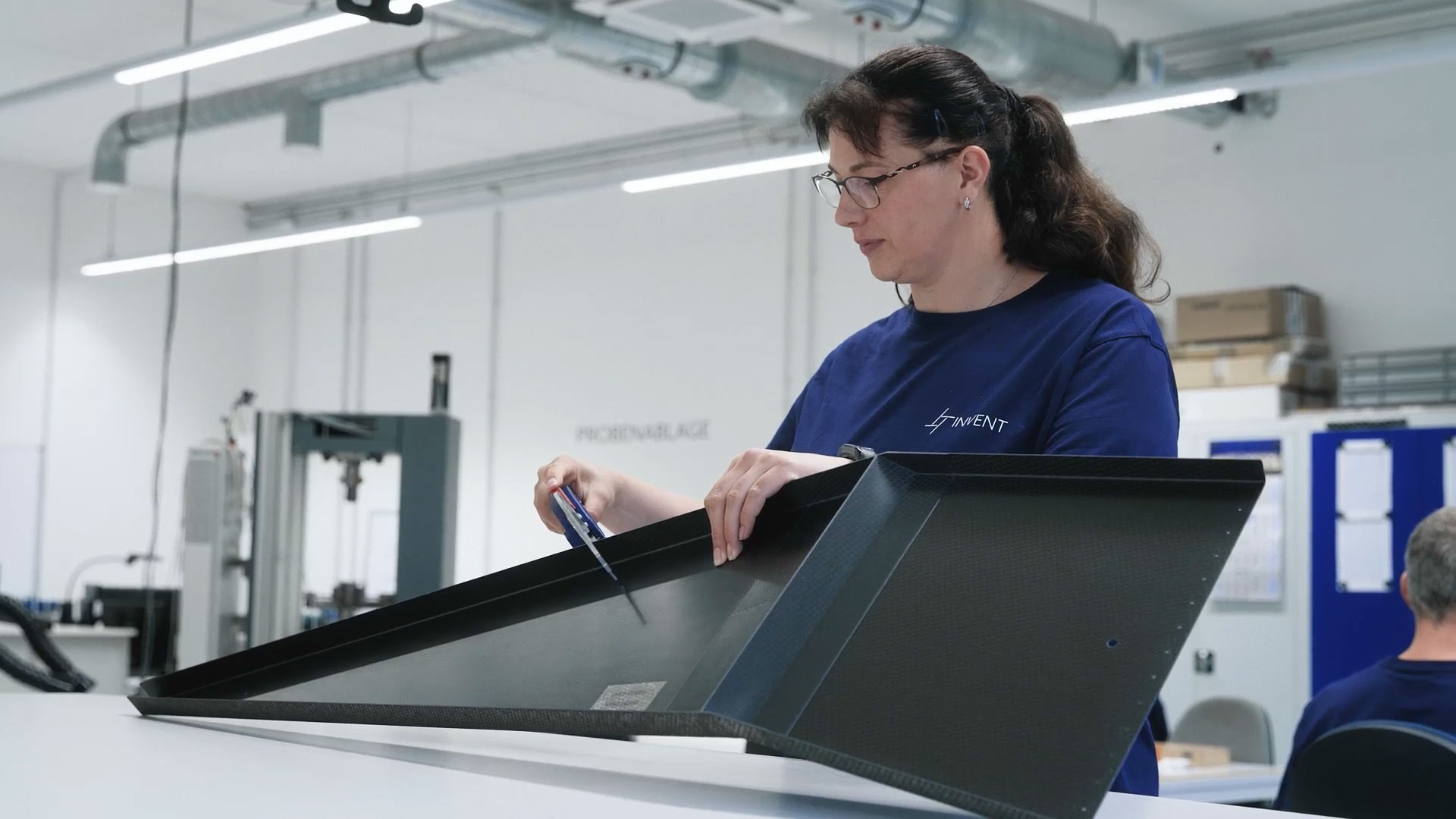
The qualified processes of series production are also used. From the cutting of the fibre composite materials to the non-destructive testing and painting of the components, the entire value chain takes place at our company. Project work on developments for the future of green aviation is part of our strategy at INVENT.
We are partners in several national and international programmes such as Clean Aviation or LuFo.
Aerospace Research
Research – that means actively shaping the future of aviation. This is a goal that INVENT is pursuing through its involvement in various research projects. Technological expertise in lightweight construction is the foundation on which INVENT builds.
Safe, environmentally compatible and passenger-friendly aviation can only be implemented through the early development of sustainable, intelligent and thus future-oriented technologies.
We work closely with research institutes, universities and development departments of renowned companies.
The individual areas of the research projects are diverse in order to consider and find solutions at all levels.
INVENT is involved with projects in the following national and international research programmes:
National:
– BMWk (LuFo VI-2)
International:
– Clean Sky 2
– CleanAviation
Research Projects
ACASIAS - EU Project
In ACASIAS INVENT is involved in the development of two products:
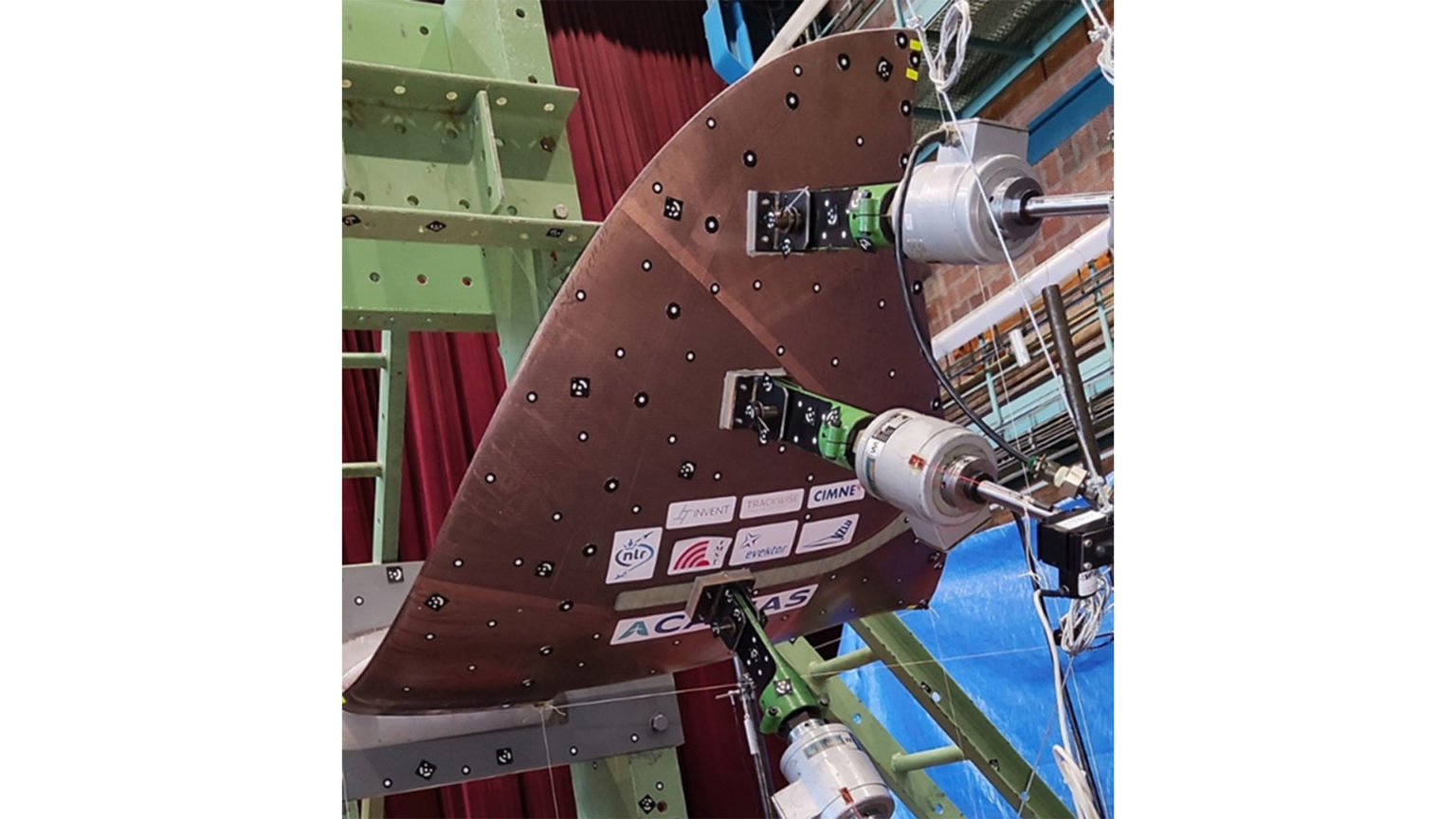
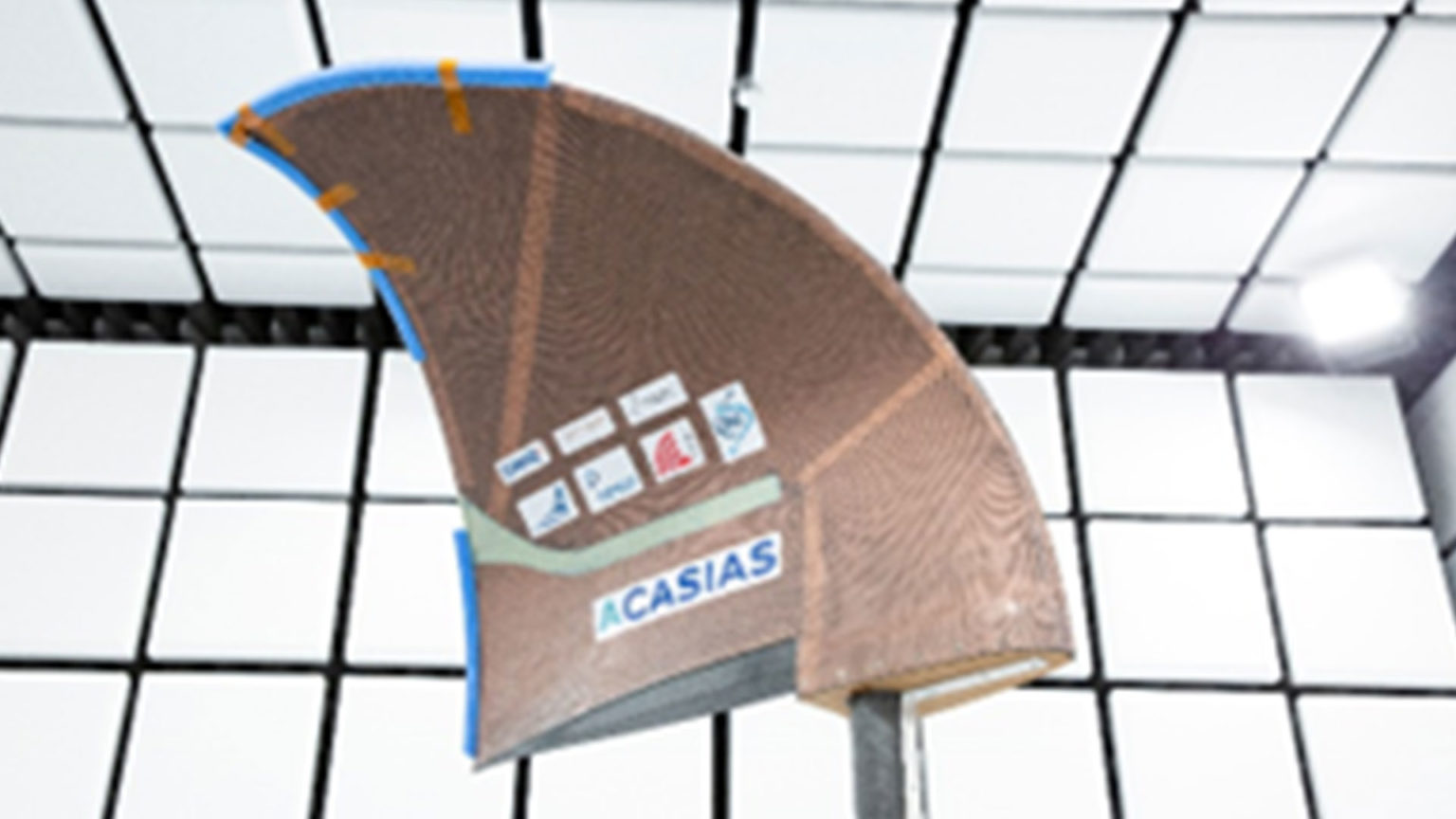
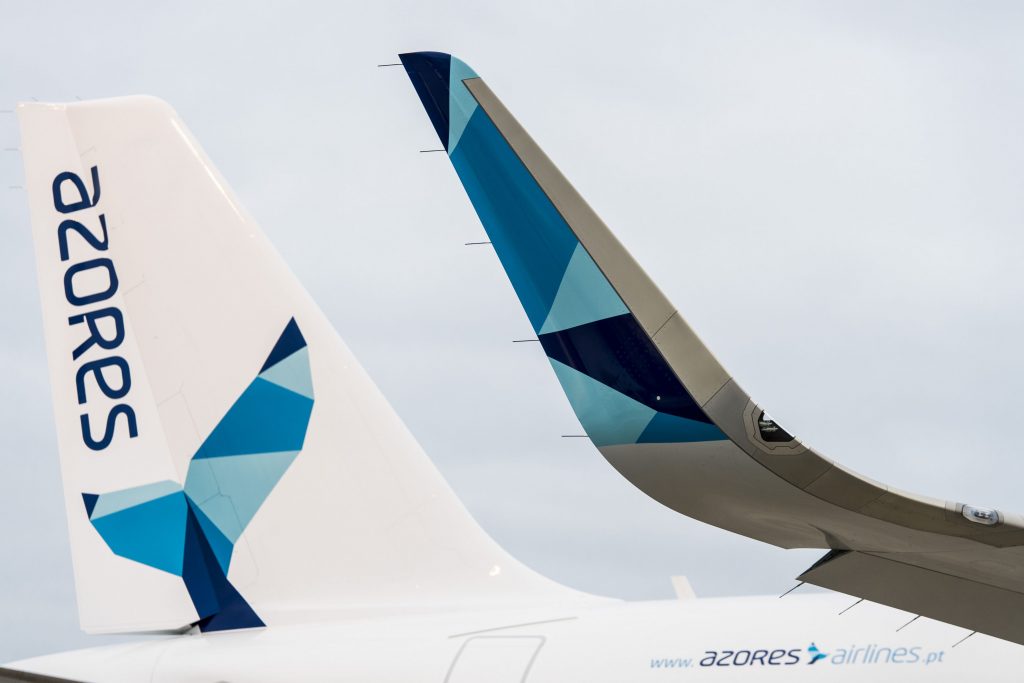
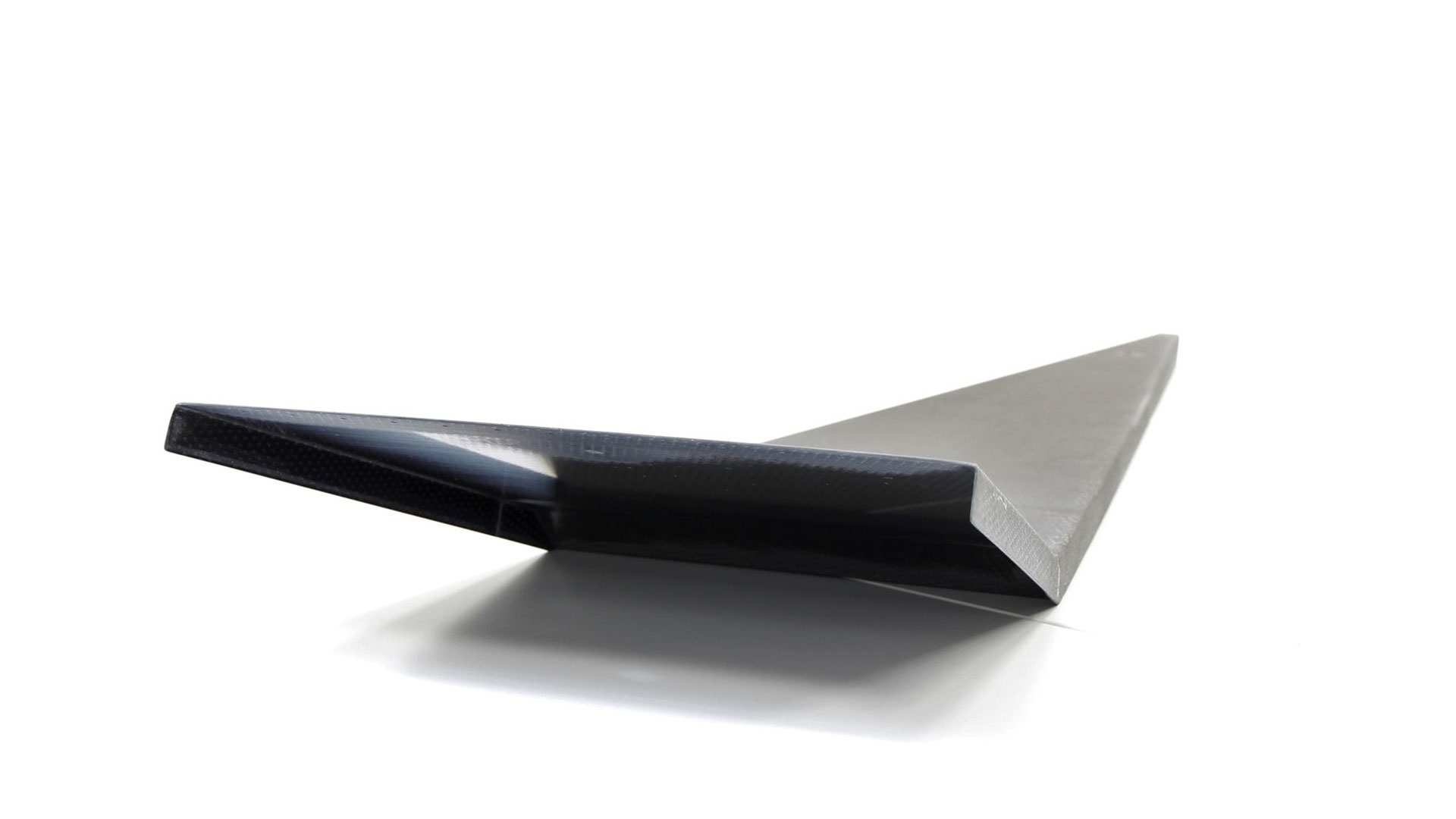
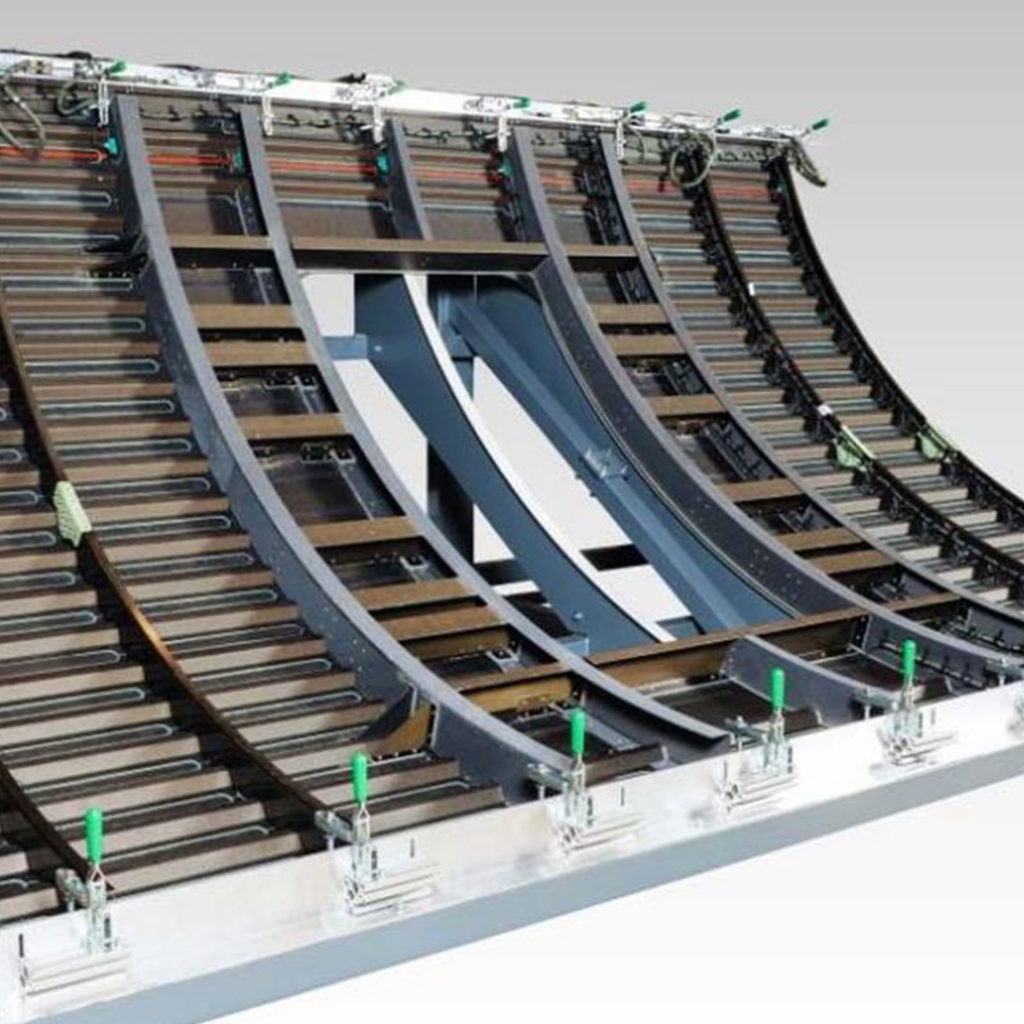
Winglet with integrated radio antenna
- Production of the winglet including manufacturing and tooling concept
- Structural-mechanical analysis of the winglet
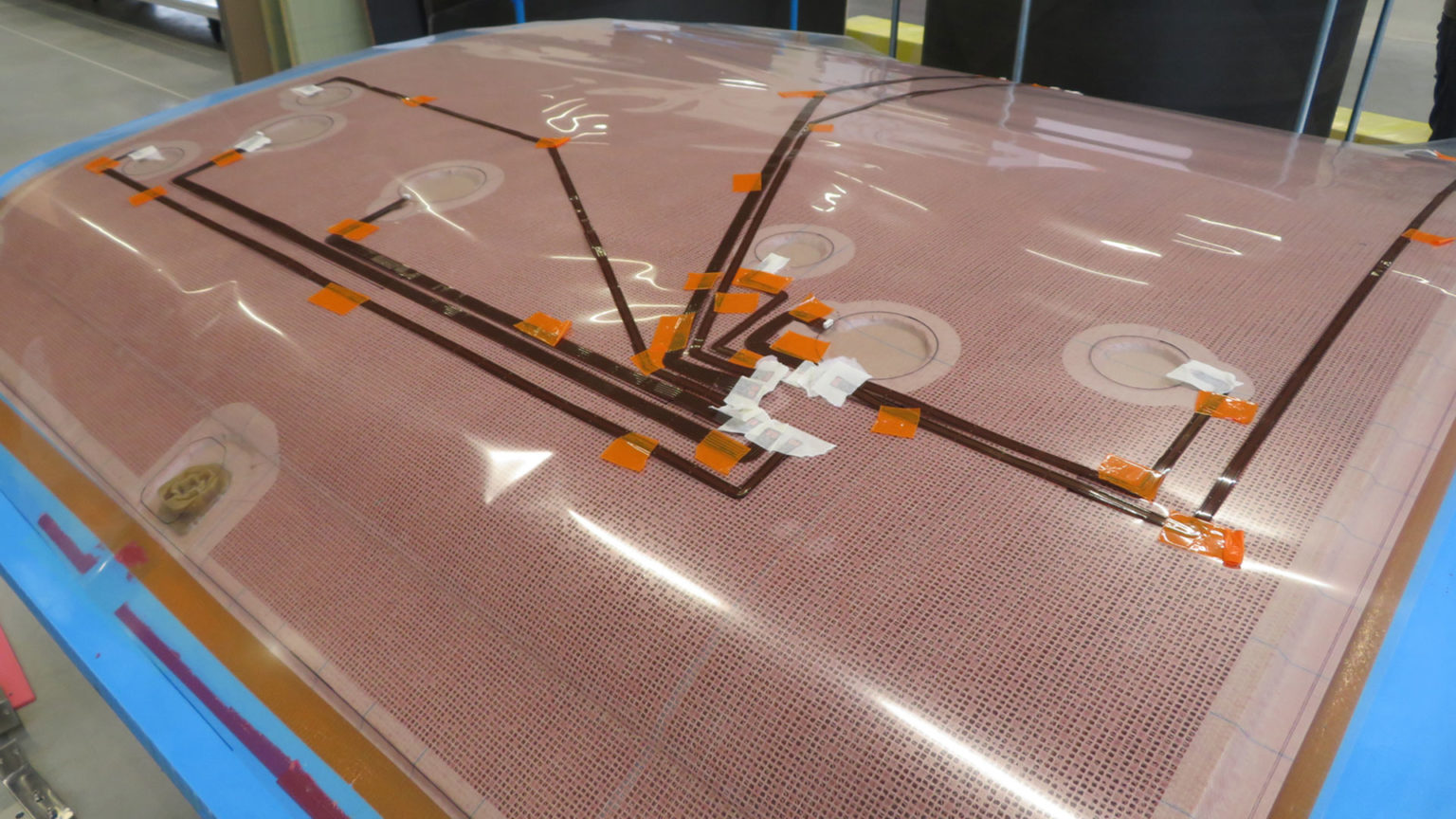
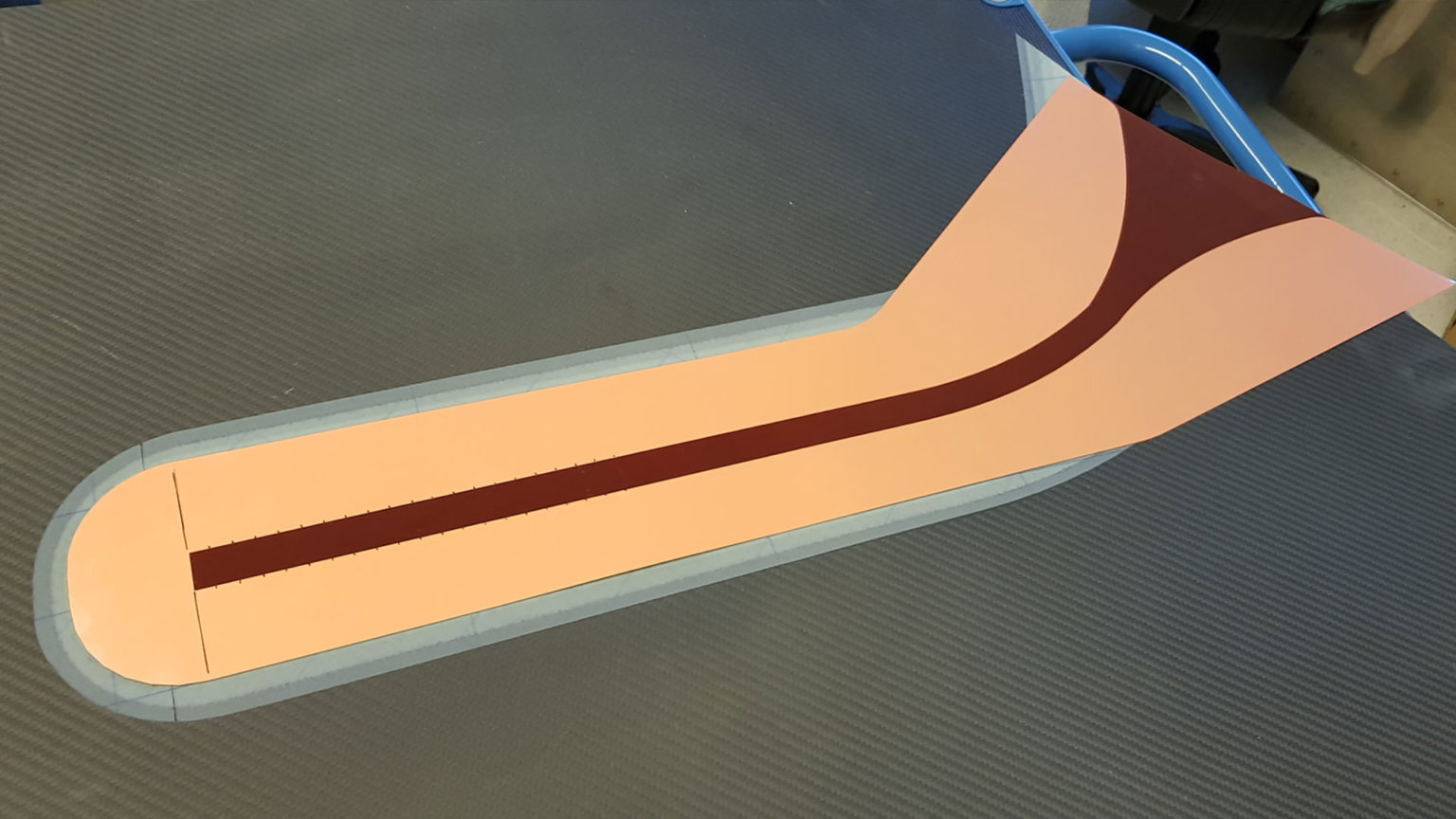
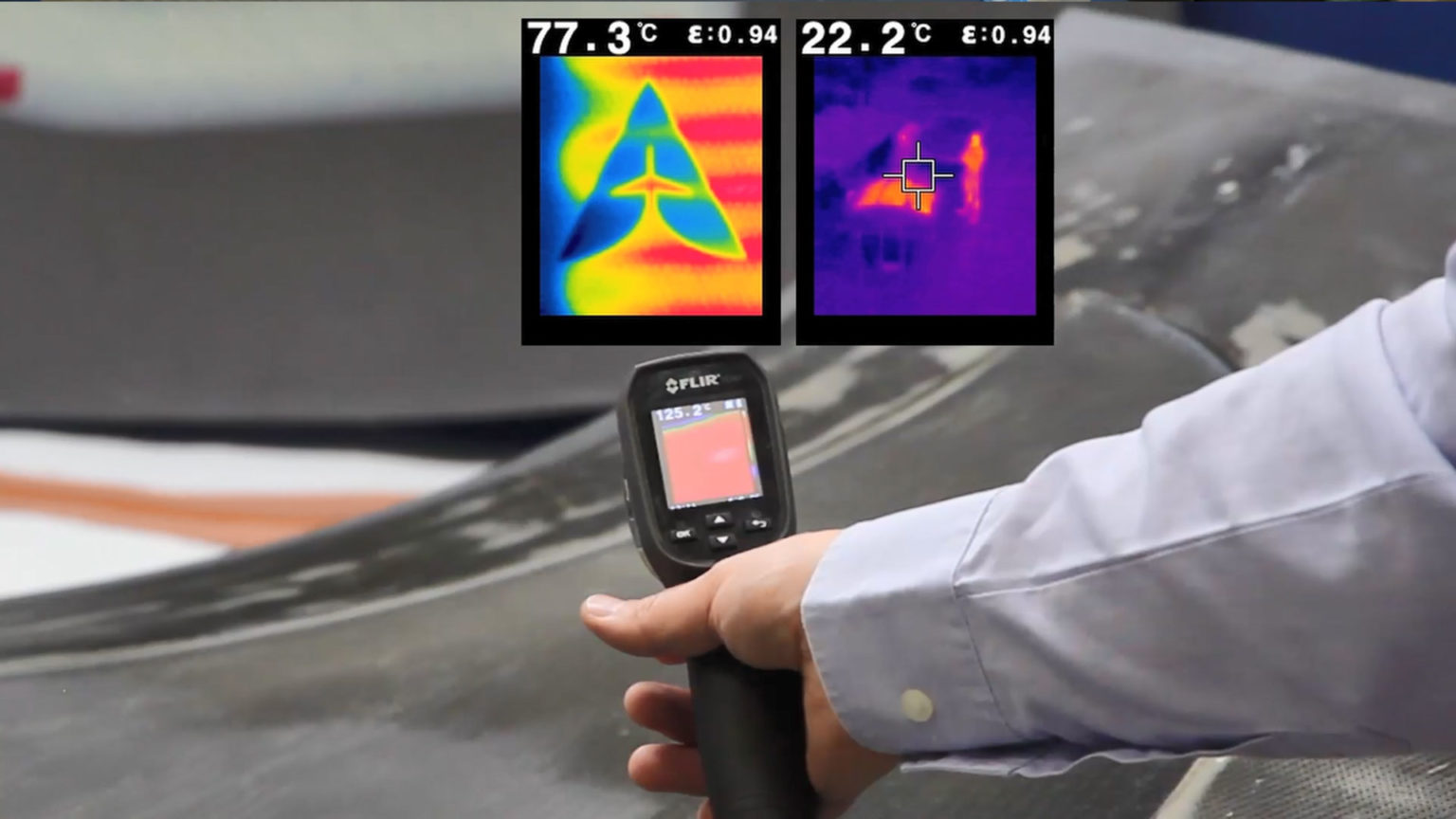
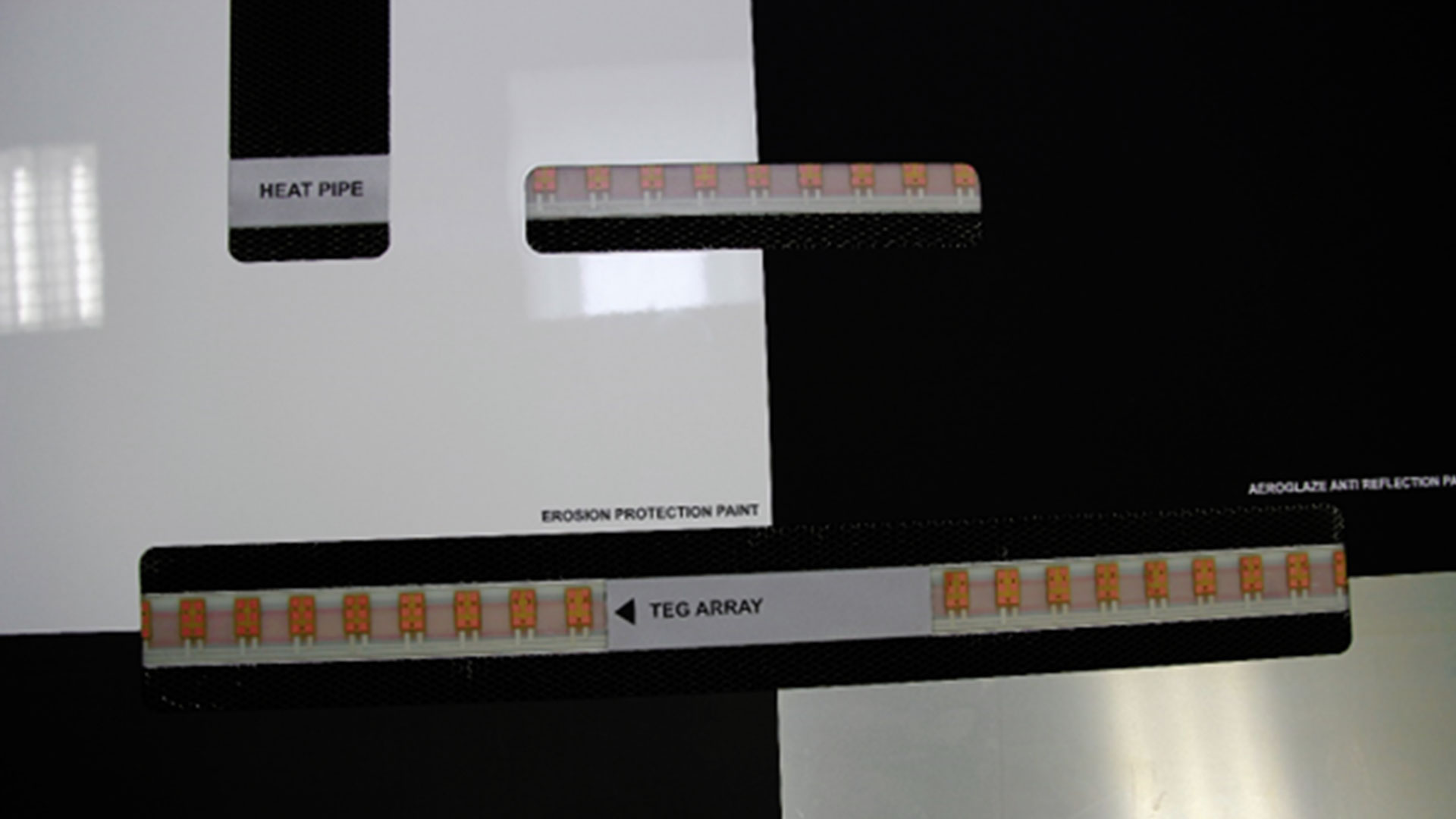
- Production of self-heating tools for winglet production
- integration of antenna into structures to achieve the project goals:
– CO2 and NOX reduction in flight operations
– Reduction of maintenance costs
– Active noise reduction in the cabin
- – Noise reduction in the cabin through vibration control
– Sensor and actuator network integrated in the sandwich process of a cabin panel
Videos
By loading the video, you agree to YouTube's privacy policy.
Learn more
The AZ-INCA project (Aerothermal NetZero Technologies – Innovative Low-Pressure Systems for CO₂-Optimized Propulsion Systems)
Implementation period 01.01.2026 – 31.12.2029
The AZ-INCA research project aims to upgrade the low-pressure system and introduce NextGen Ultra-Slimline nacelle technology for the next generation of the Pearl engine family, which is expected to unlock significant potential in terms of efficiency, component lifespan, operational safety, and reduced development time, while making a significant contribution to noise reduction. The NextGen Ultra-Slimline nacelle technology enables improved propulsion efficiency without compromising the aircraft’s aerodynamic drag; however, it is accompanied by an overall shorter low-pressure system, leading to increased aerodynamic and aeromechanical coupling of the components. A holistic approach must be developed to predict component performance as part of the larger system rather than in isolation.
In the AZ-INCA project, Rolls-Royce Germany (RRD) will improve numerical design and evaluation tools, focusing on mixer and nacelle optimizations, high-resolution simulations (CFD), preliminary design tools (PDTs), and multiphysics simulations (FSI). In addition, the consortium intends to expand the validation database through highly complex and precise laboratory tests at TU Dresden to better understand bird strike damage. BTU Cottbus-Senftenberg (BTU) and RRD will develop the first multi-point excitation fatigue tests of their kind. Furthermore, based on the aforementioned progress, efficient, low-drag fans and nacelles that are tolerant to disturbances in the inlet flow will be investigated. Finally, the consortium will define the industrialization path for morphing stators and blade architecture. These reduce aeromechanically induced vibrations caused by distorted inflow and thereby mitigate the risk of component failure.
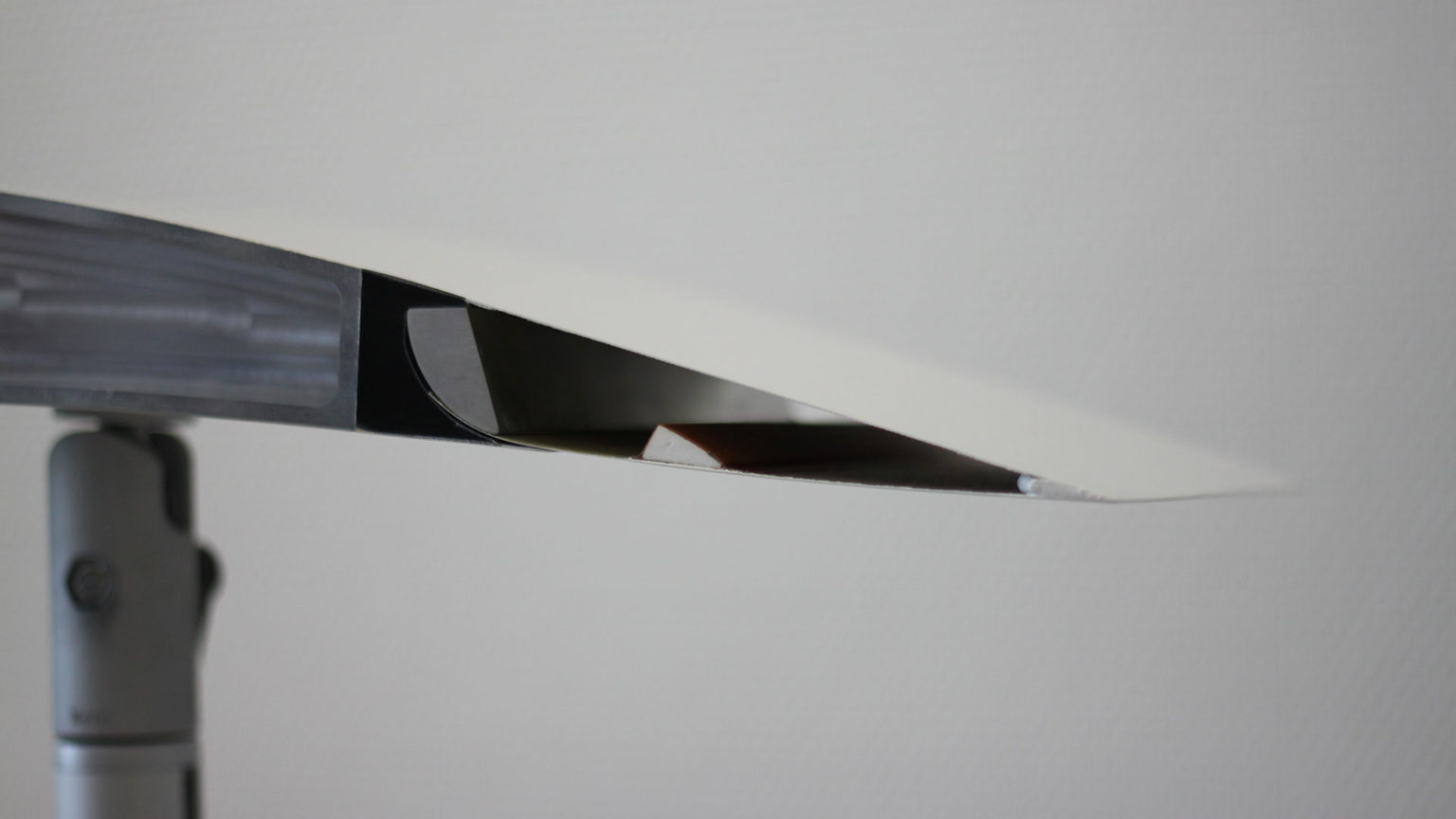
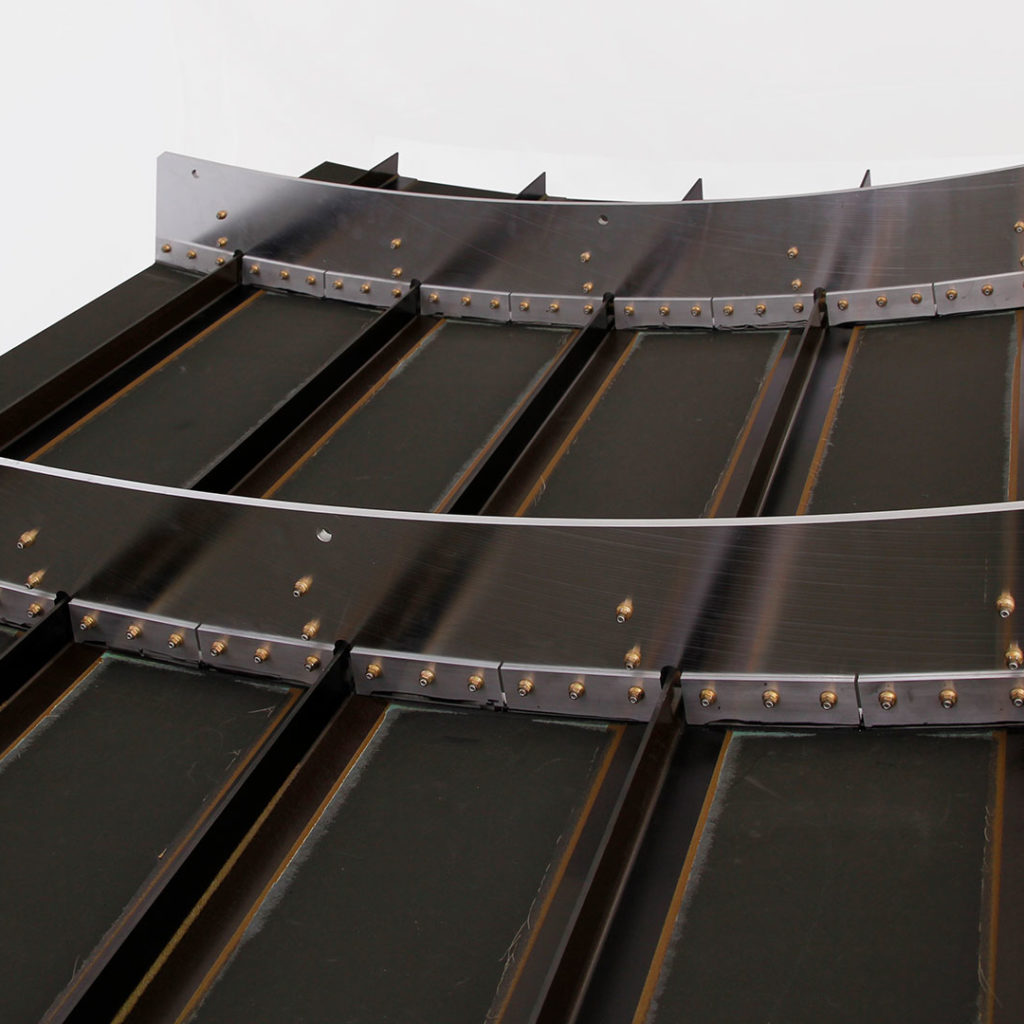
INVENT GmbH is contributing its expertise in the development and manufacture of lightweight structures to the AZ-INCA project and is collaborating with partners Rolls-Royce Germany, DLR, Fraunhofer IFAM, Peter/Lacke, and TU Dresden on the development of morphing stators. The goal is to create a demonstrator whose geometry can adapt to different operating conditions of the engine using integrated piezoceramic actuators. This is intended to reduce aerodynamic losses, increase the engine’s efficiency and simultaneously lower noise and vibration levels.
INVENT is specifically responsible for the development and testing of suitable manufacturing processes for the demonstrator, including the integration of the actuators into the complex curved stator structure. In addition, INVENT GmbH is participating in the experimental characterization of the materials as well as in the assessment of the industrial feasibility and economic viability of the technology, with a particular focus on the manufacturing process.
The project is funded by the Federal Ministry for Economic Affairs and Energy under LuFo VII-1, grant number 20T2404A.
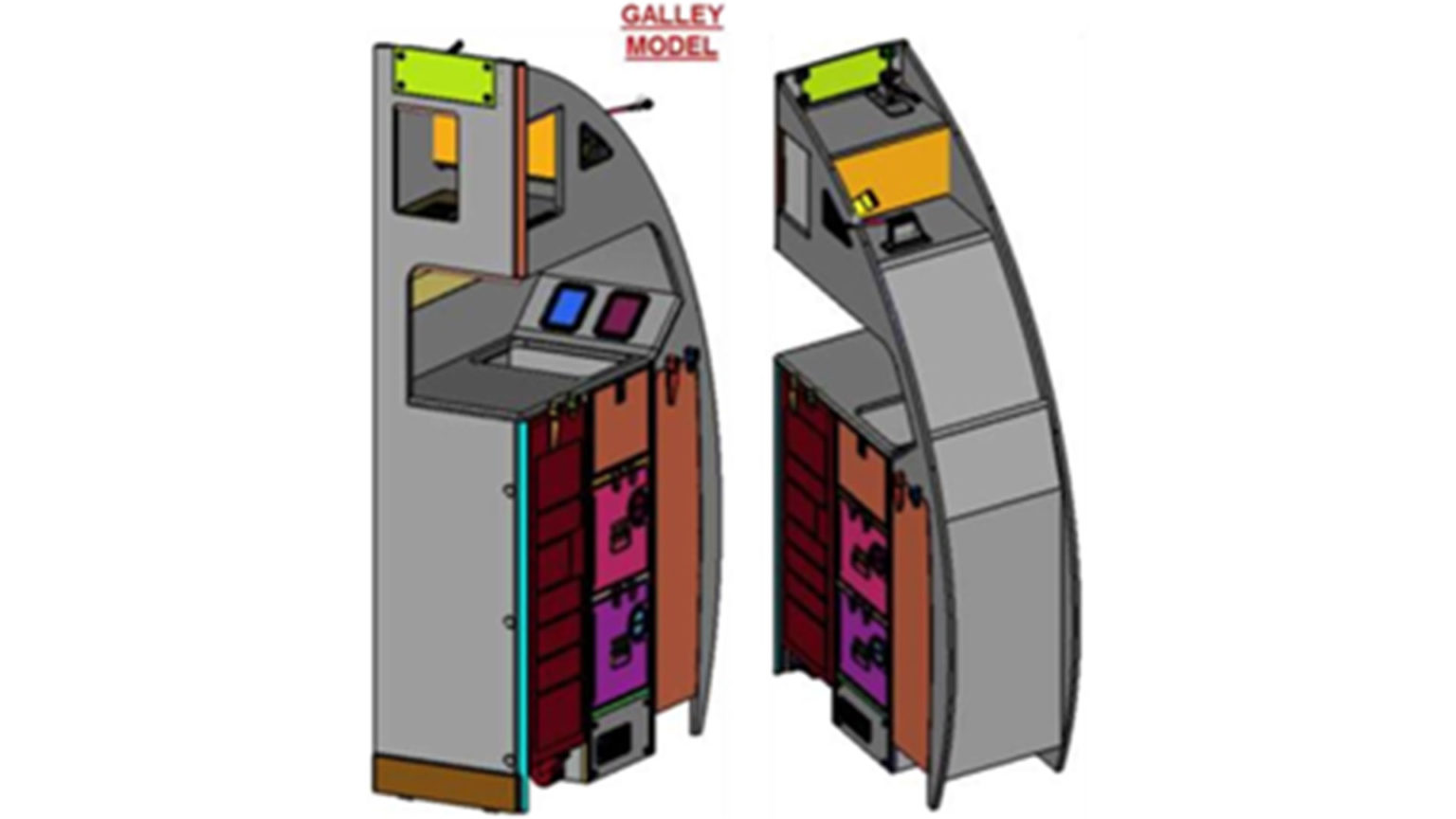
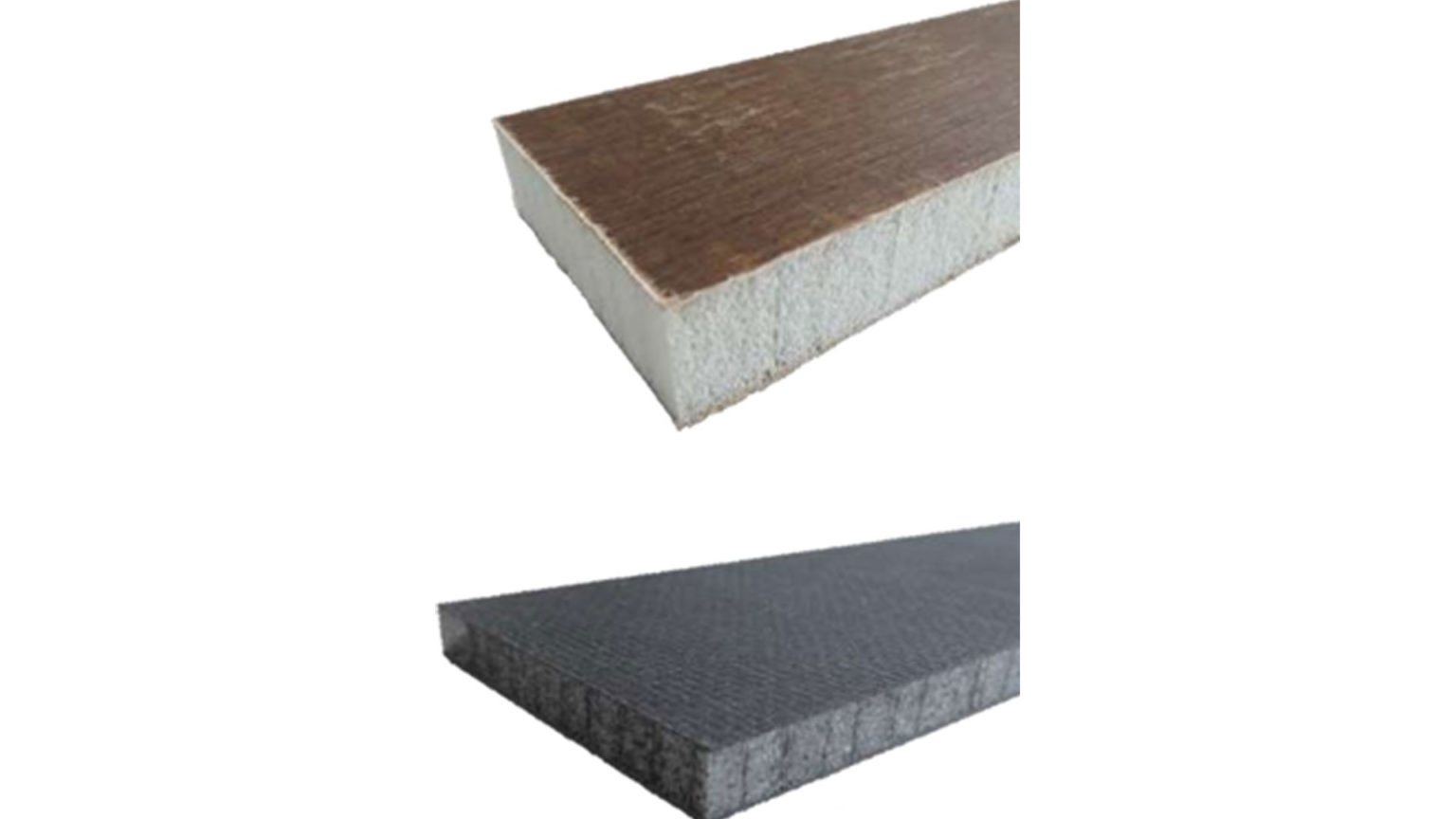
Industrial implementation of novel eco-panels made of bio-based polymers and natural fibre reinforcements for the aviation industry
CHANGE morphing wing concepts for UAV (unmanned aerial vehicle)
- Design and process development to combine stiff and morphing structures (multi-material use)
- Processing of elastomer based matrix
- Tooling concepts for elastic composite materials
- Material and product quality assurance and verification by in-house testing
- Setup of a ground test stand and execution of cyclic tests based on the UAV mission concept
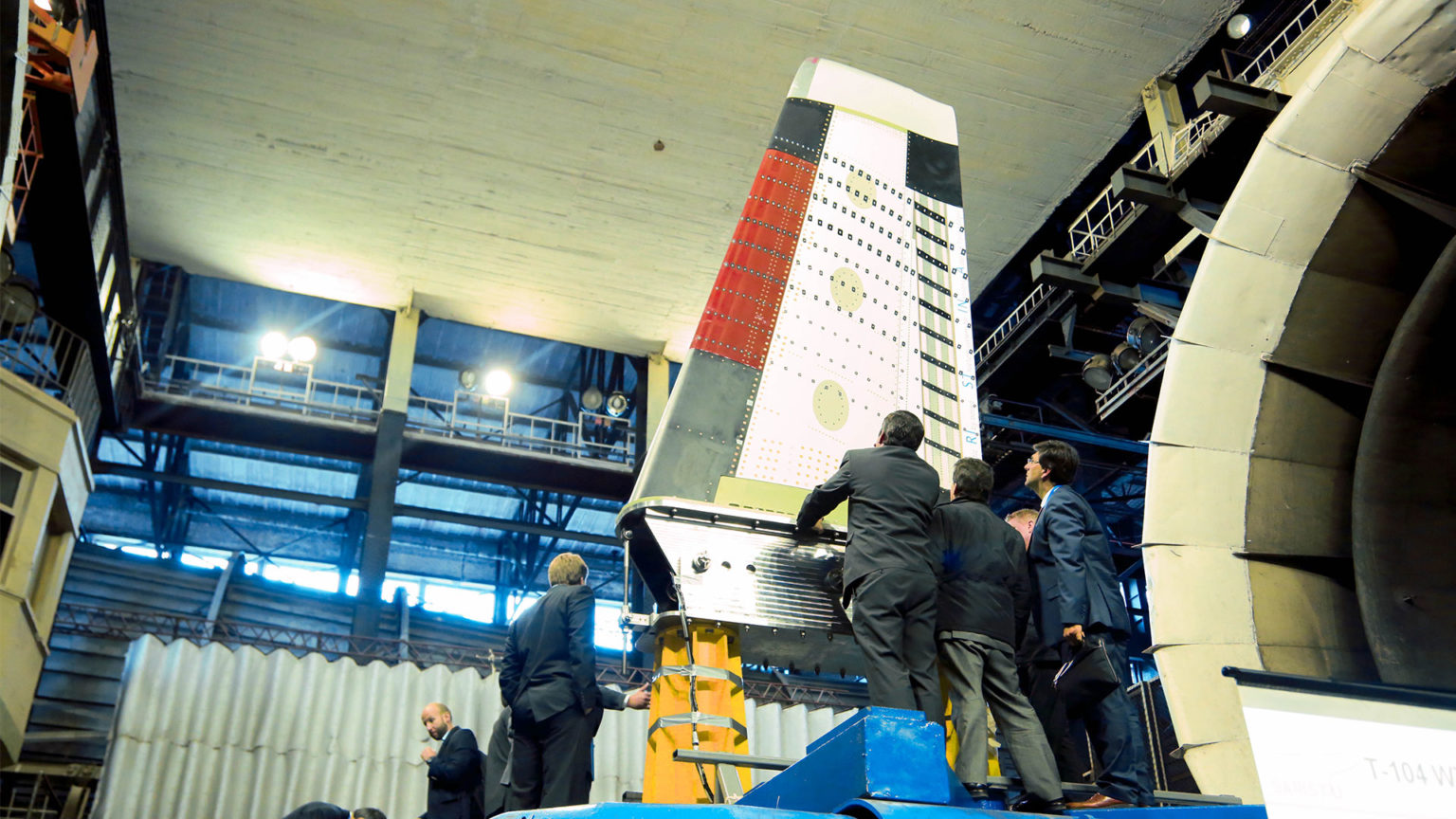
FLEXMAT- Development of variable shape structural materials

- Development and production of variable materials and structures
- Production and assembly of a large demonstrator (scale 1:1) – outer wing A320
FLEXMAT: Development of variable shape structural materials
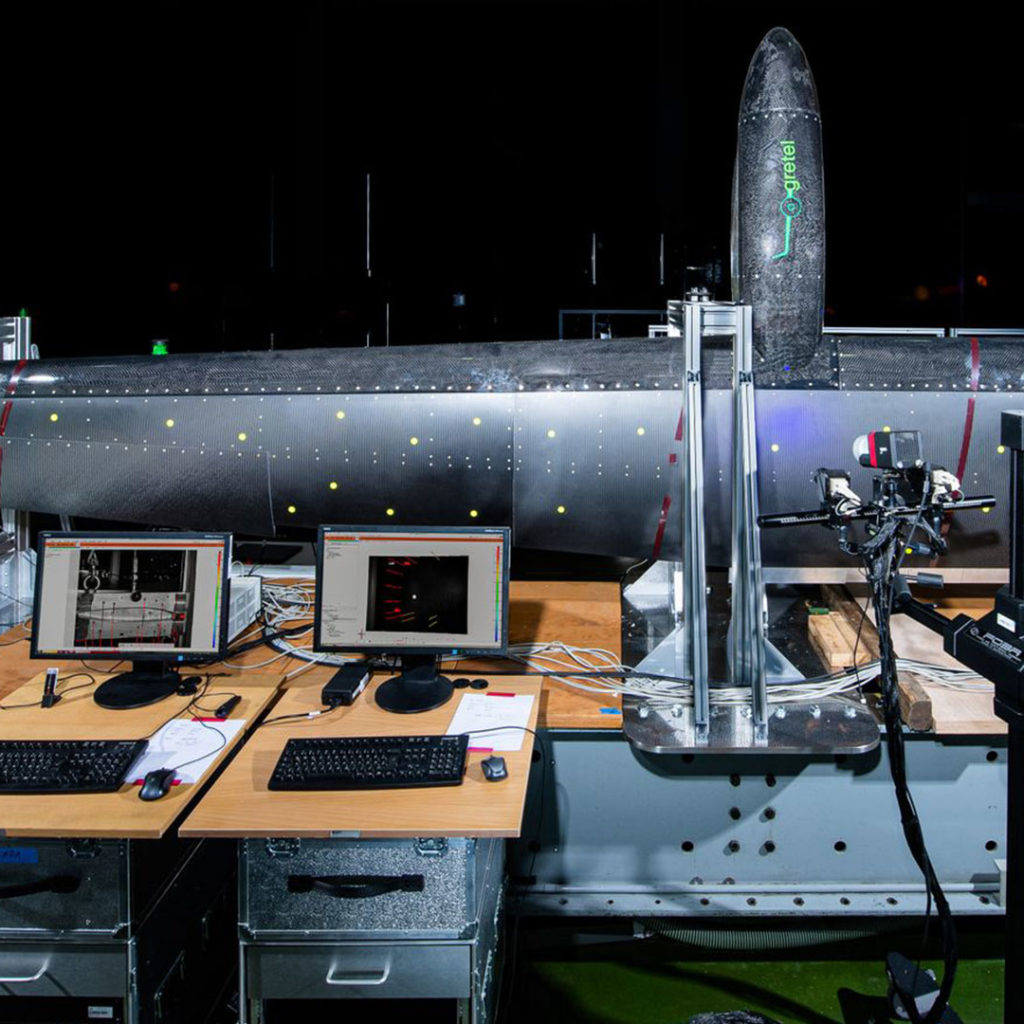
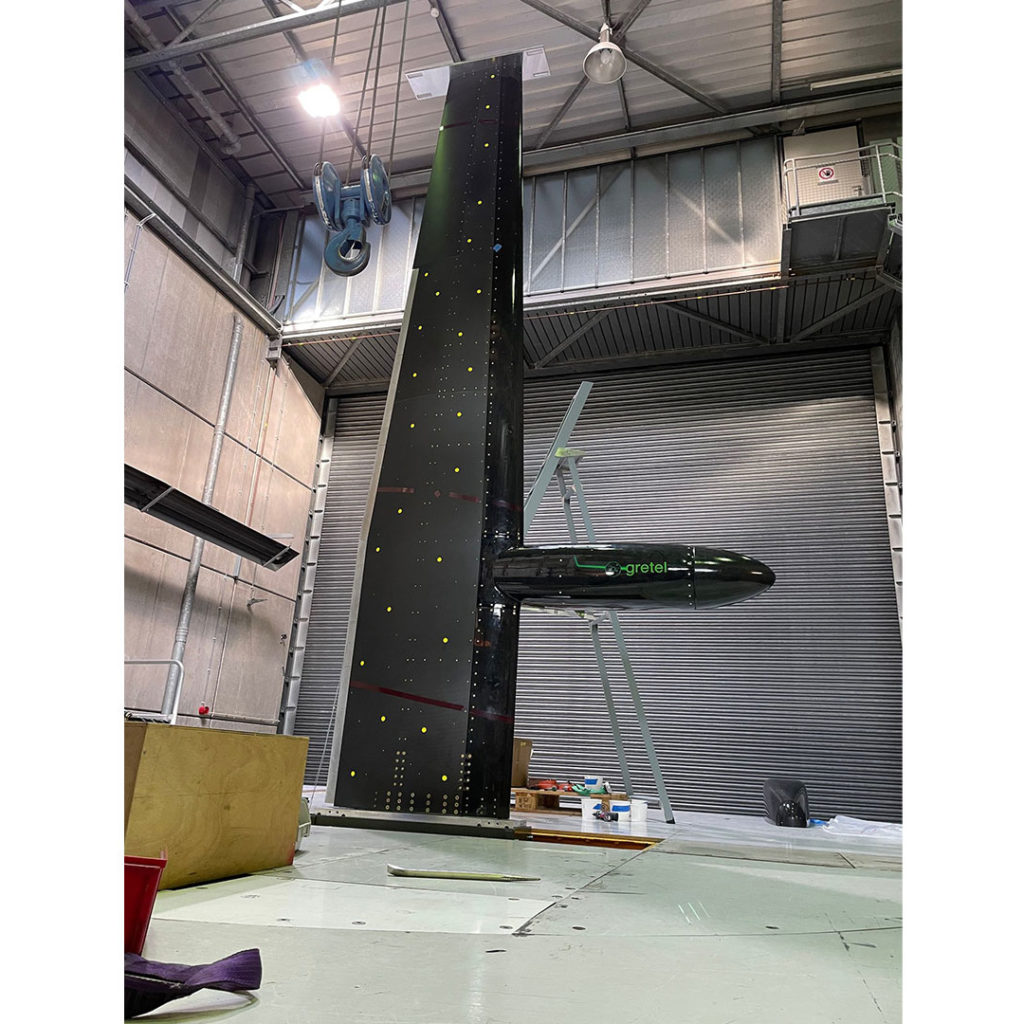
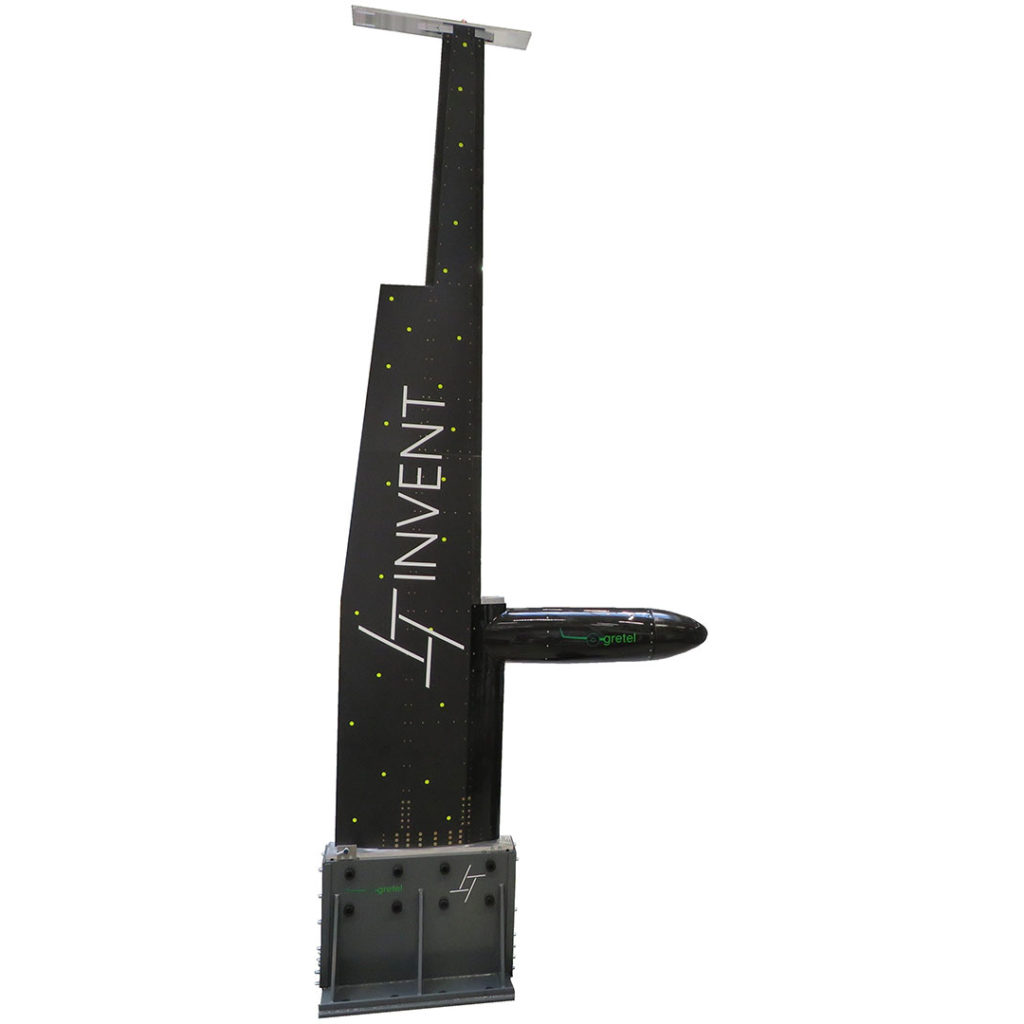
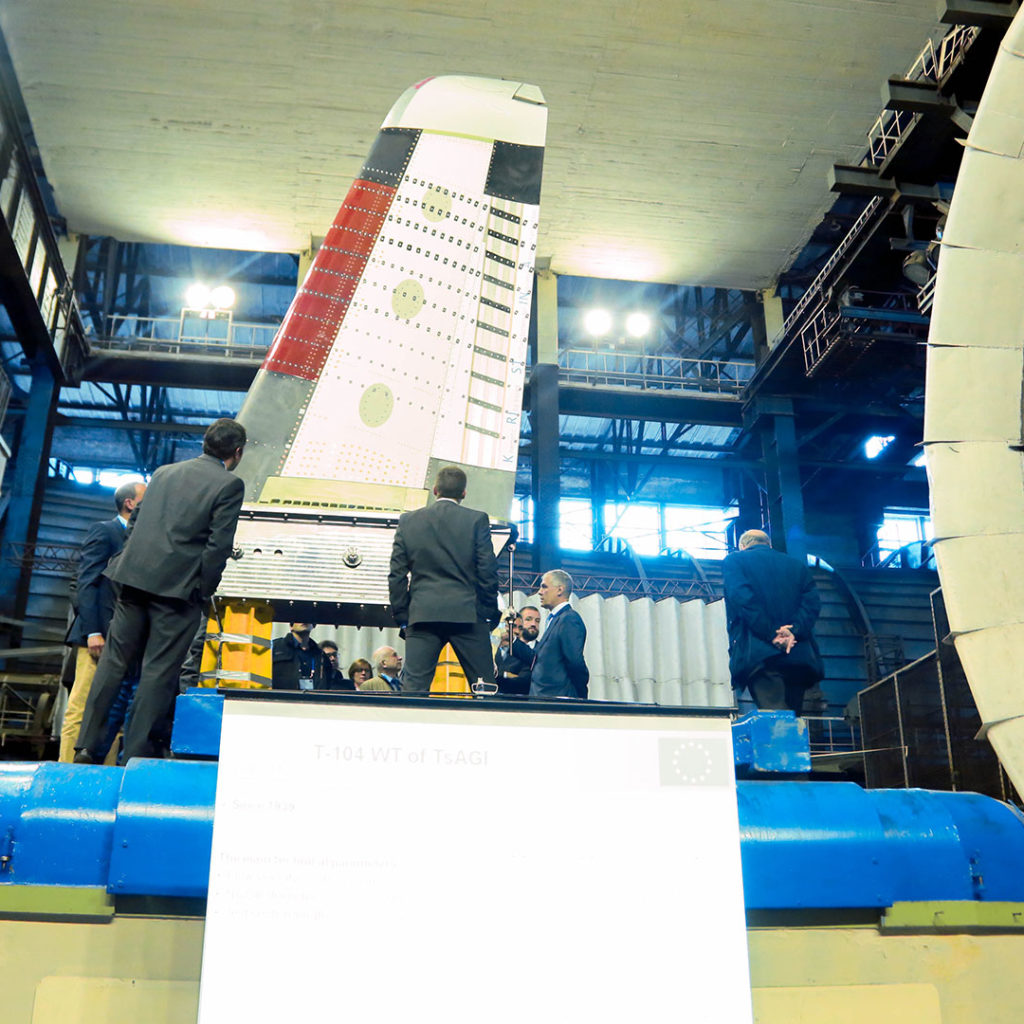
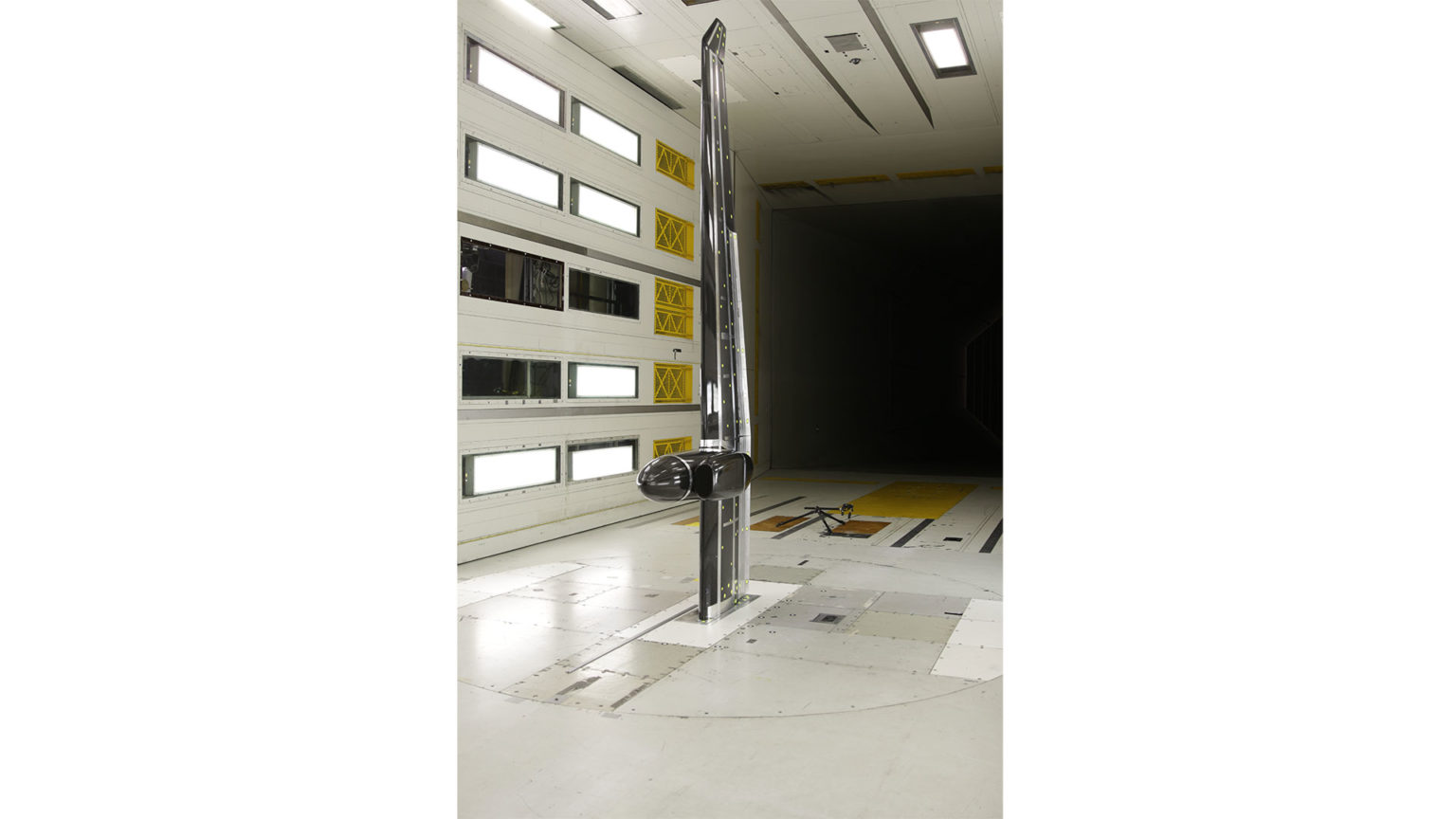
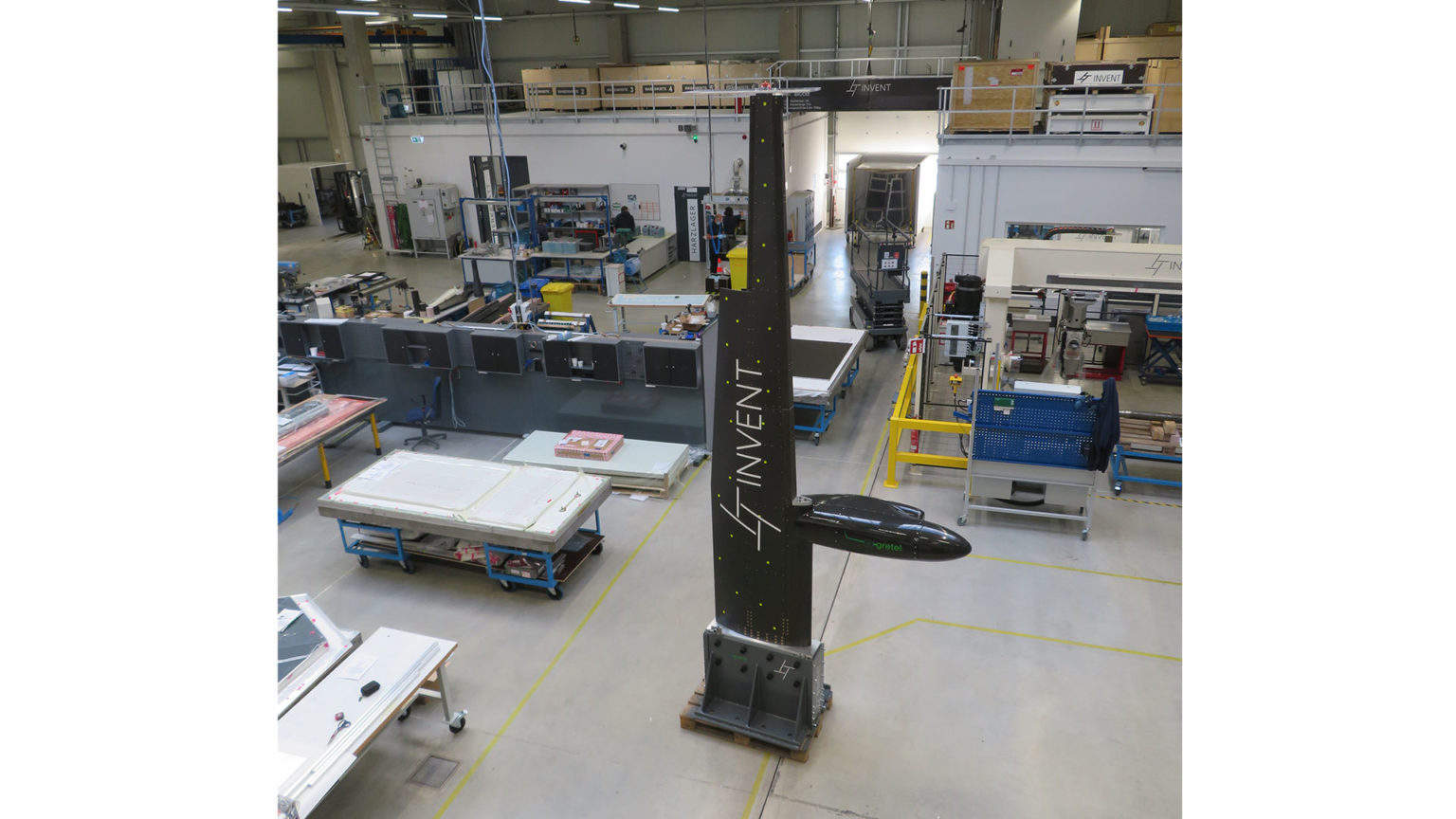
GRETEL- GREen Turboprop Experimental Laminar Flow, Wind Tunnel Test
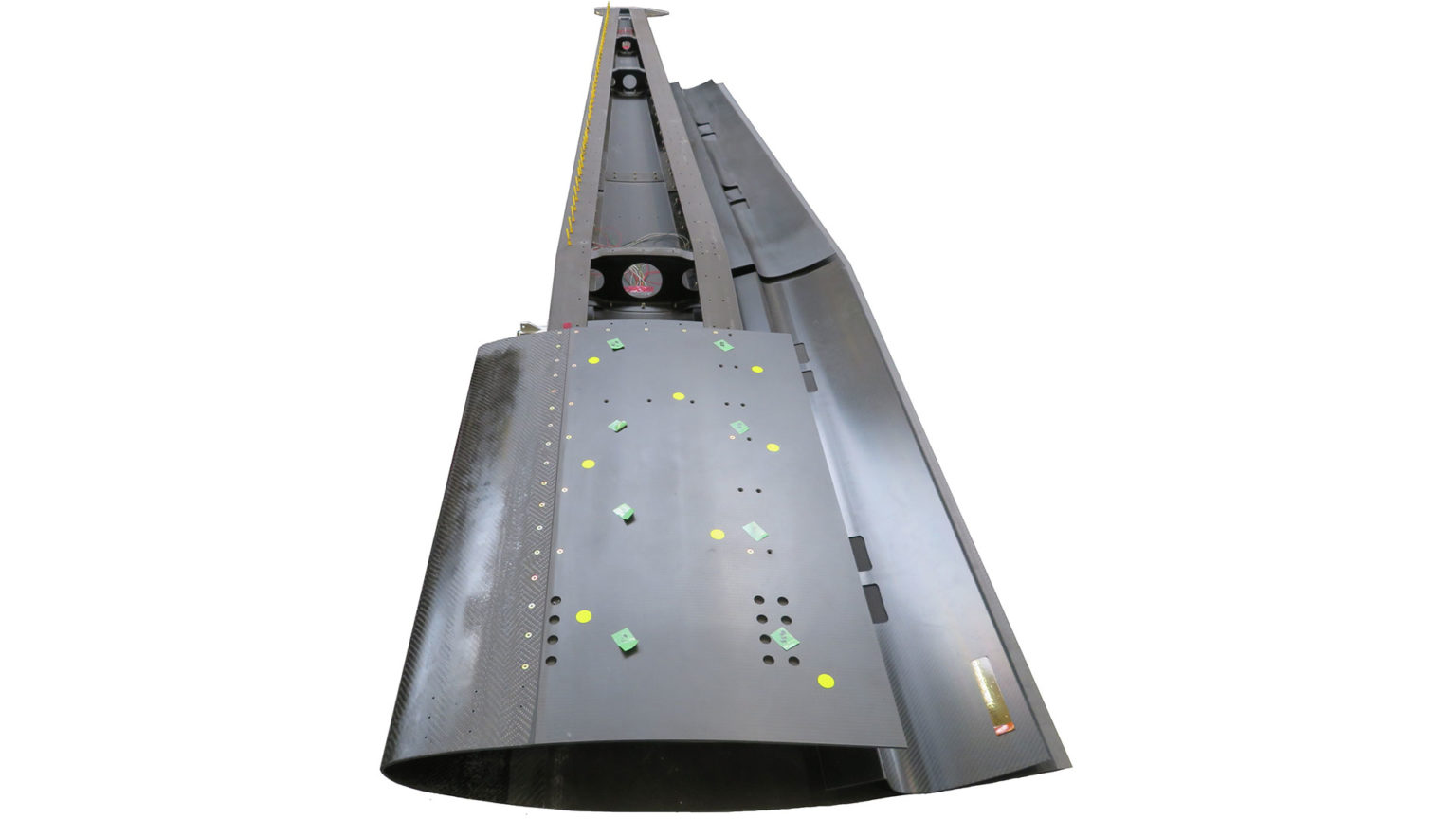
- Wind tunnel model
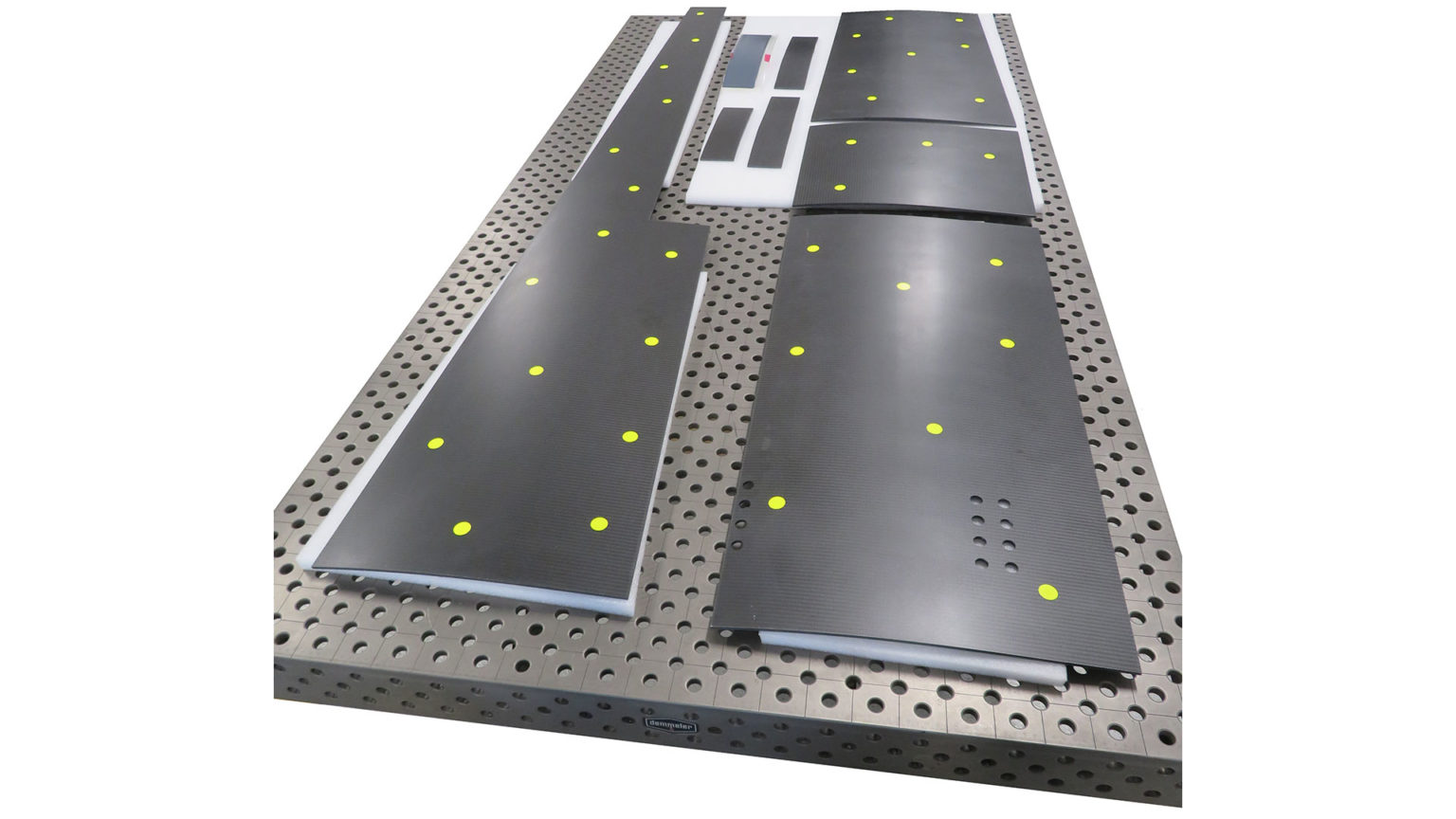
- Design of a wing box including ribs and skin panels
- Development and fabrication of the moulding tools and assembly jigs
- Fabrication of the fibre composite components
- Assembly of all components
- Support of the ground test and the wind tunnel test
HELIOS - High-Rate Capable, Efficient Lightweight Fuselage Shells Barrels, Novel Design Principles and Technologies,Integrally Optimized and Validated for Damage-Tolerant, Rivet-Free, Structural Joining Technologies
Project Objective
The overall project “HELIOS” aims at the development and validation of novel design principles and technologies for weight-optimized and high-rate capable CFRP fuselage shells. The core of the project is the design of a fuselage shell architecture based on rivet-free joining technologies such as the bonding of longitudinal seams and the hybrid welding of frame-to-skin connections. By the end of the project duration, technological feasibility is to be demonstrated. Furthermore the process chains shall be evaluated regarding their lightweight potential, high-rate capability, and cost-efficiency.
Problem Statement
To achieve the ambitious climate goals of the aviation industry, future aircraft generations must be built significantly lighter. Existing manufacturing and design methods using riveted joints do not fully exploit the lightweight potential of Carbon Fiber Reinforced Plastics (CFRP). Furthermore, the desired high production rates lack continuous, industrialized process chains for rivet-free joining technologies. In addition, innovative and automated construction methods require new validated design and verification methods to ensure the approval and safety of these advanced structures.
Realization
The collaborative work is divided into five main work packages: Requirements & Design Principles, Holistic Design & Manufacturing Solutions, Holistic Assembly & Integration Concepts, Certification Methodology & Generic Technologies, and Validation & Evaluation. Airbus Operations GmbH is the consortium leader of this project. All consortium partners from industry and research are developing key technologies, including innovative rivet-free joining processes, adapted design and certification methods, as well as automated procedures for quality assurance. The results will be tested and evaluated through structural tests and non-destructive testing on demonstrators.
The consortium consists of the following partners:
– Airbus Operations GmbH
– Deutsches Zentrum für Luft- und Raumfahrt e. V. (DLR) (German Aerospace Center)
– Fraunhofer-Gesellschaft zur Förderung der angewandten Forschung e. V. (FhG) (Fraunhofer Society for the Promotion of Applied Research)
– INVENT Innovative Verbundwerkstoffe Realisation und Vermarktung neuer Technologien GmbH
– MICOR Gesellschaft für industrielle Wärme und Trockentechnik mbH
– SWMS Systemtechnik Ingenieurgesellschaft mbH
– TU Braunschweig (Technical University of Braunschweig)
– TU Hamburg (Hamburg University of Technology)
– Universität Stuttgart (University of Stuttgart)
– Wölfel Engineering GmbH + Co. KG
INVENT is introducing new manufacturing processes for thermoset skin shells with thermoplastic modification. Rivet-free joining processes, such as bonding and welding, are to be made industrially viable and capable of high-rate production. In addition, energy-efficient painting systems and innovative NDT methods are being developed to improve surface quality and testing speed. The aim is to develop scalable processes for hybrid component structures and to strengthen INVENT’s position as a supplier of innovative lightweight construction solutions for Airbus programs.
Note: This project is funded under the German Aviation Research Program LuFo VII-1. Further information about the programme can be found at: www.luftfahrtforschungsprogramm.de
ProgeB - Process chain for generative/hybrid manufacturing of continuous fibre-reinforced components
Additive manufacturing processes are considered important building blocks for flexible and economical production of varying products.
In order to pave the way for the aerospace industry, ProgeB is looking at the development of a completely digital process chain for the purely generative as well as hybrid production of continuous fibre-reinforced fibre composite components for aerospace applications.
- Development and implementation of process strategies for fibre 3D printing
- Goal: demonstration-capable digital process chain to prove the suitability and applicability in the field of aircraft production
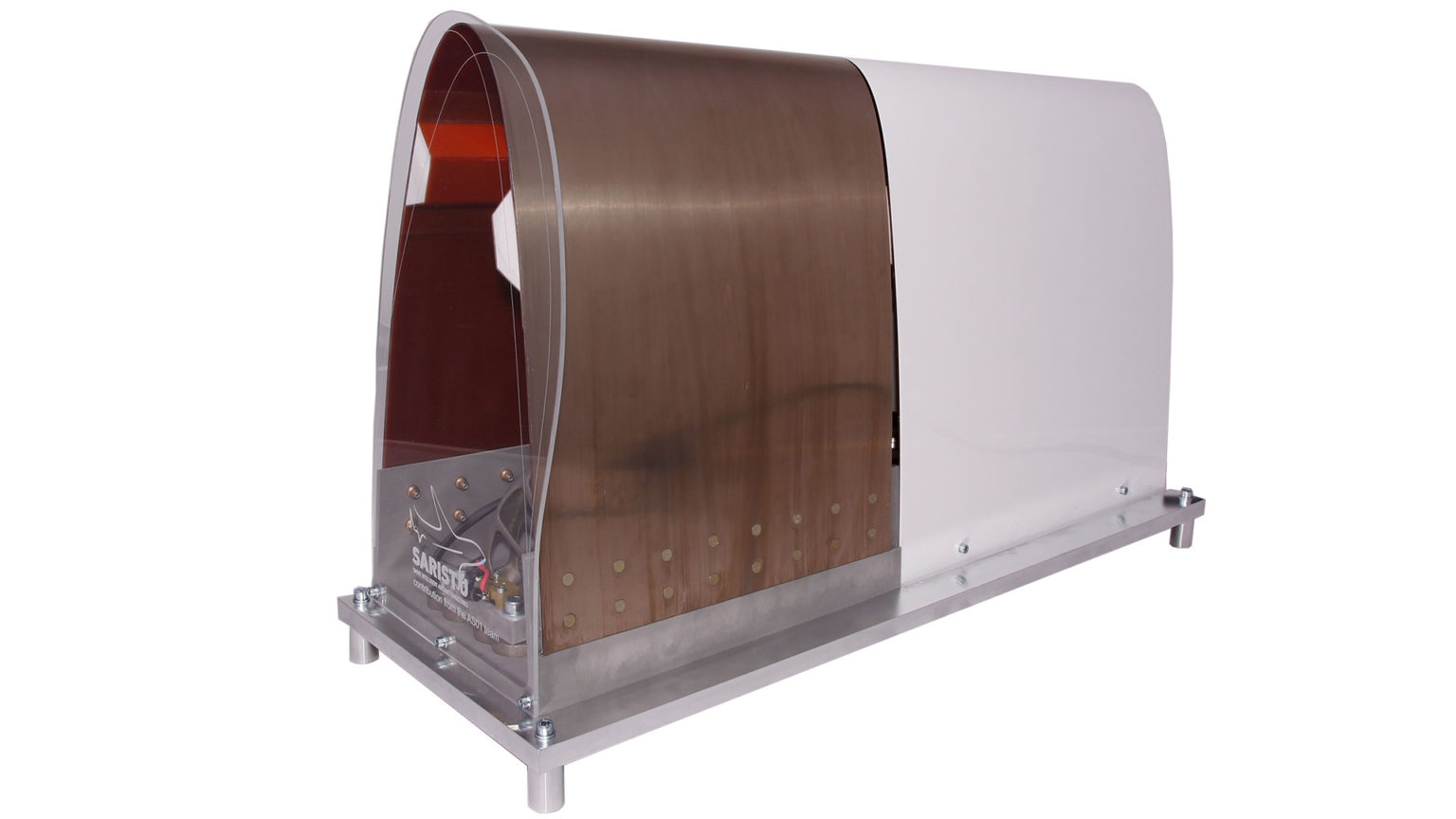
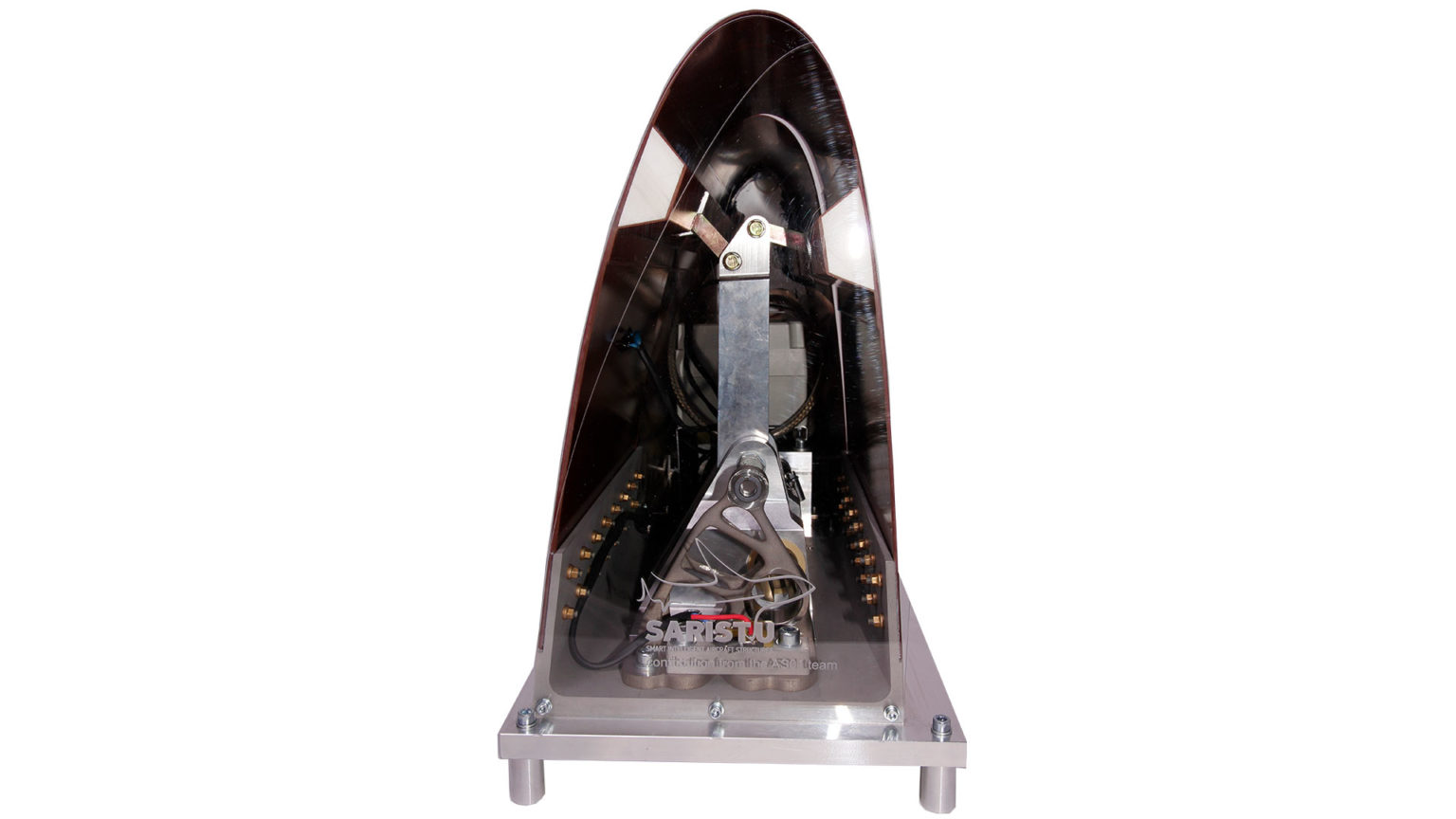
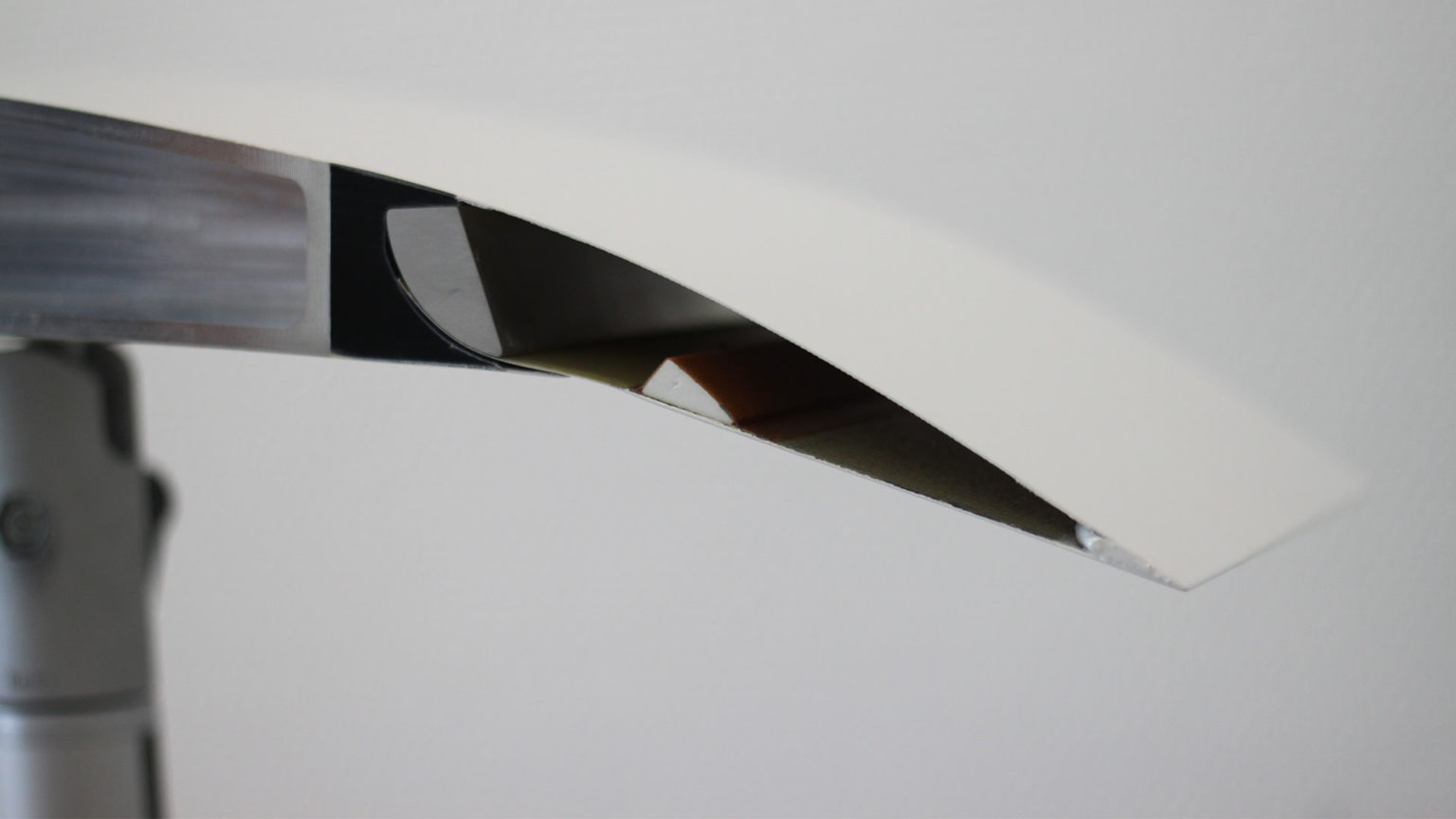
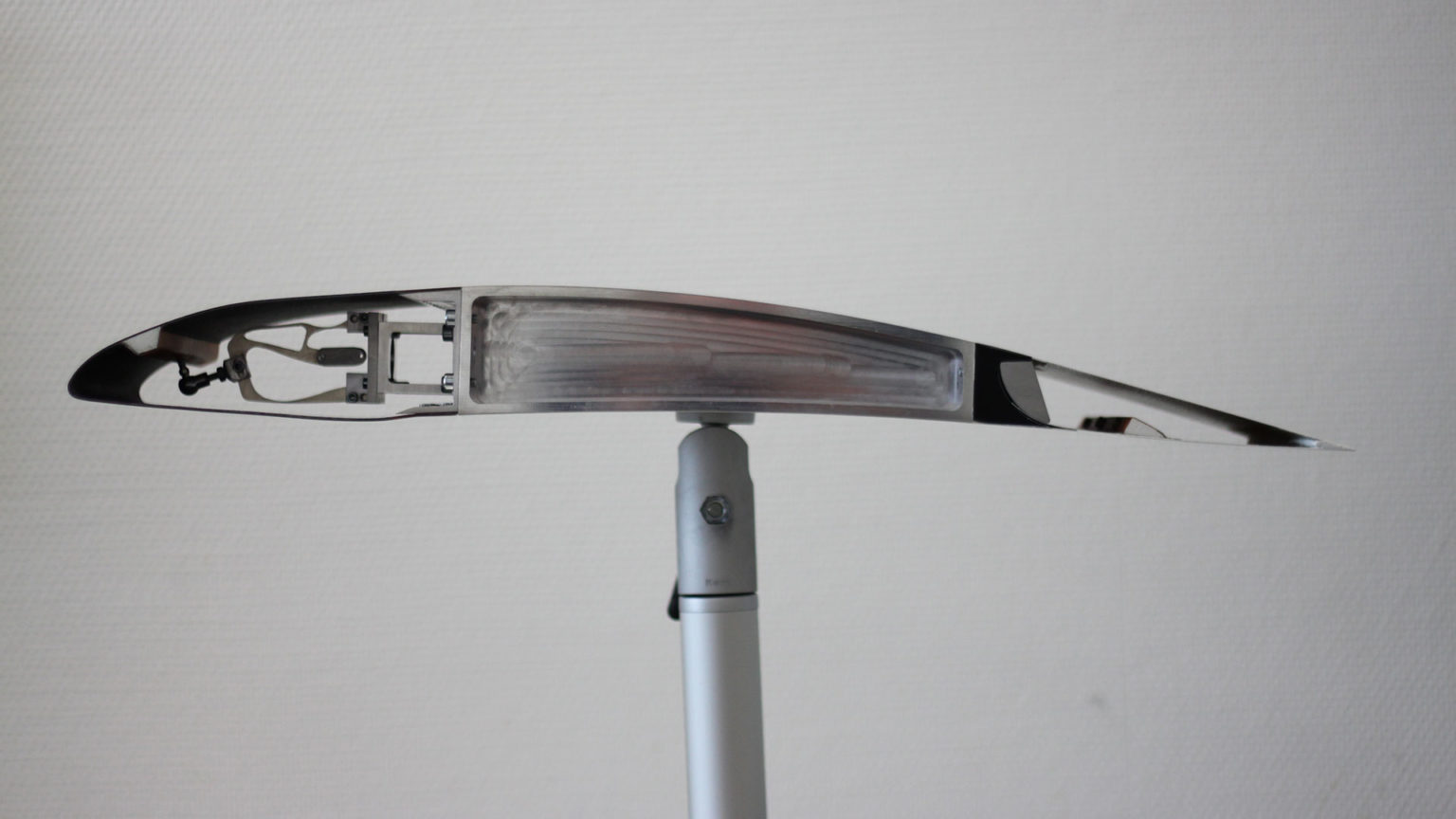
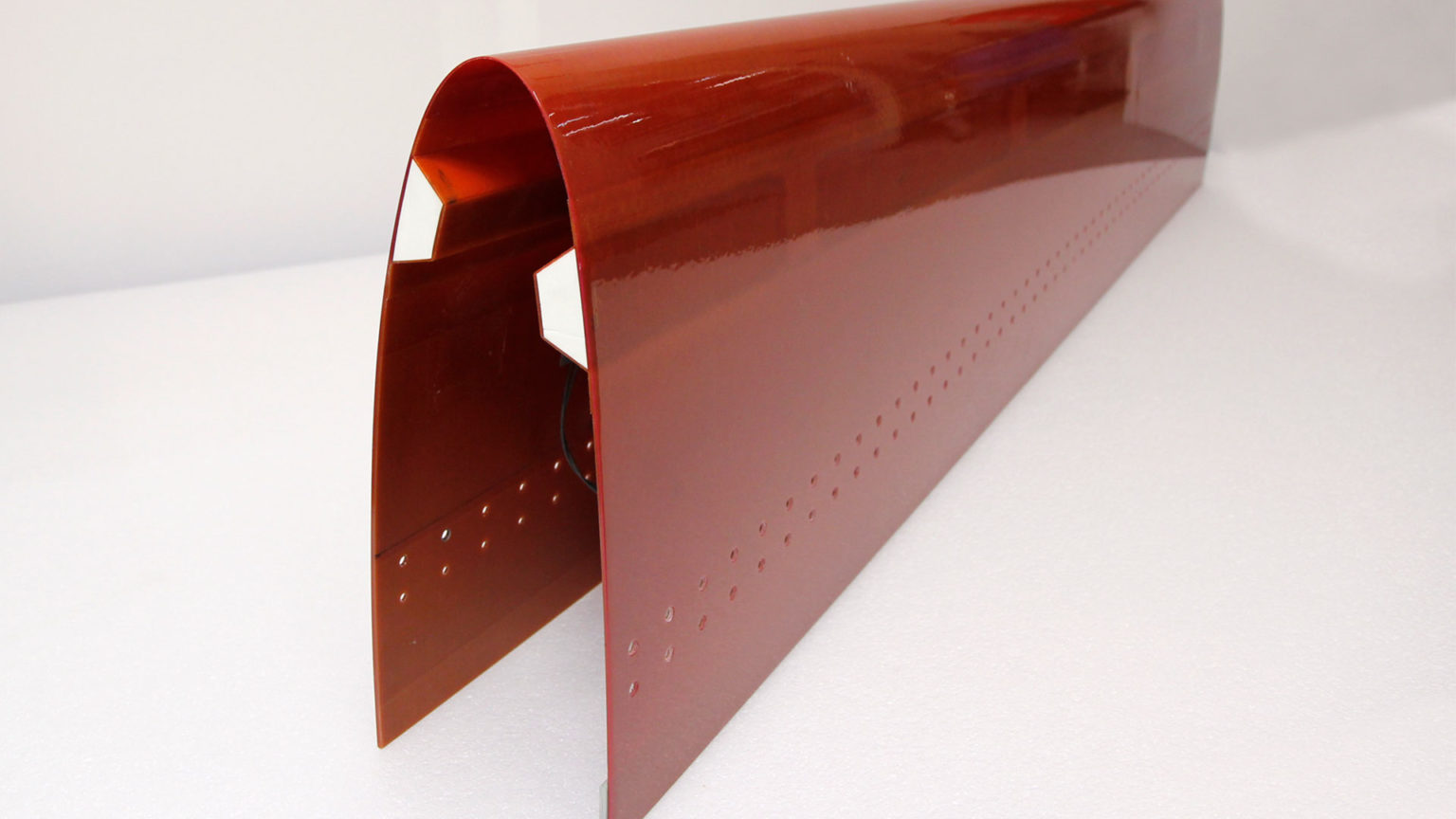
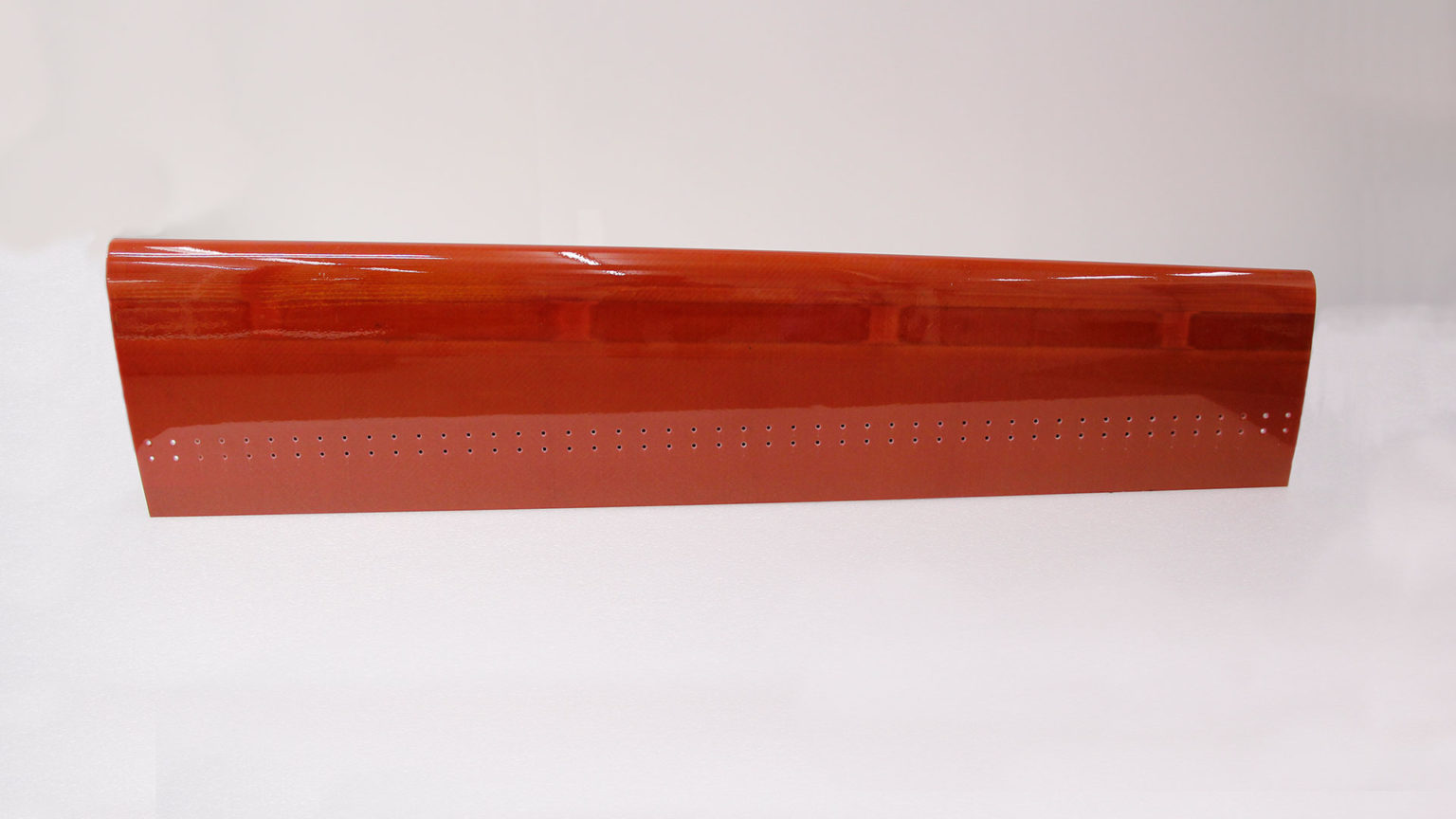
Development and validation of a flexible wing leading edge for an improved adaptive droop nose
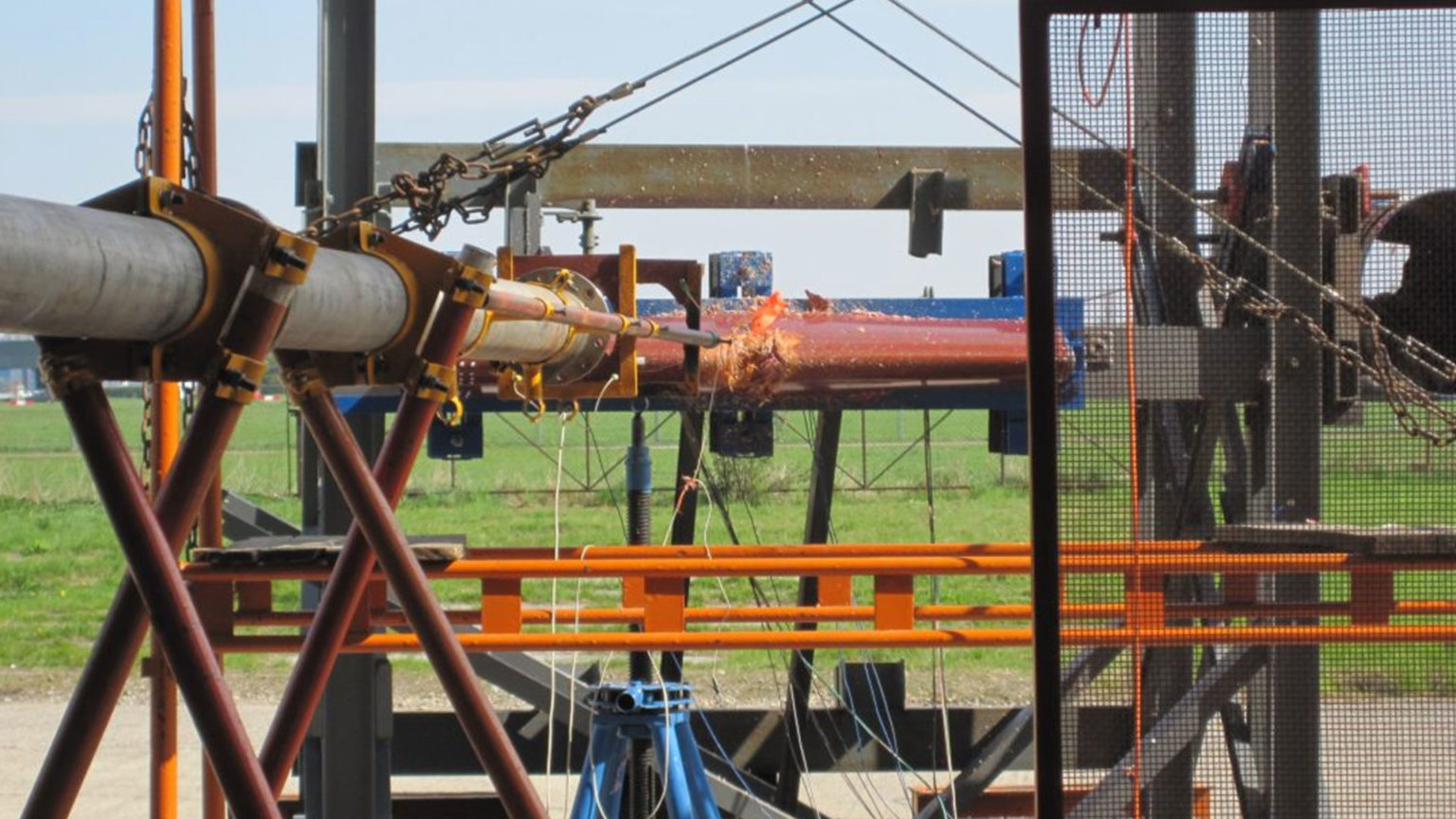
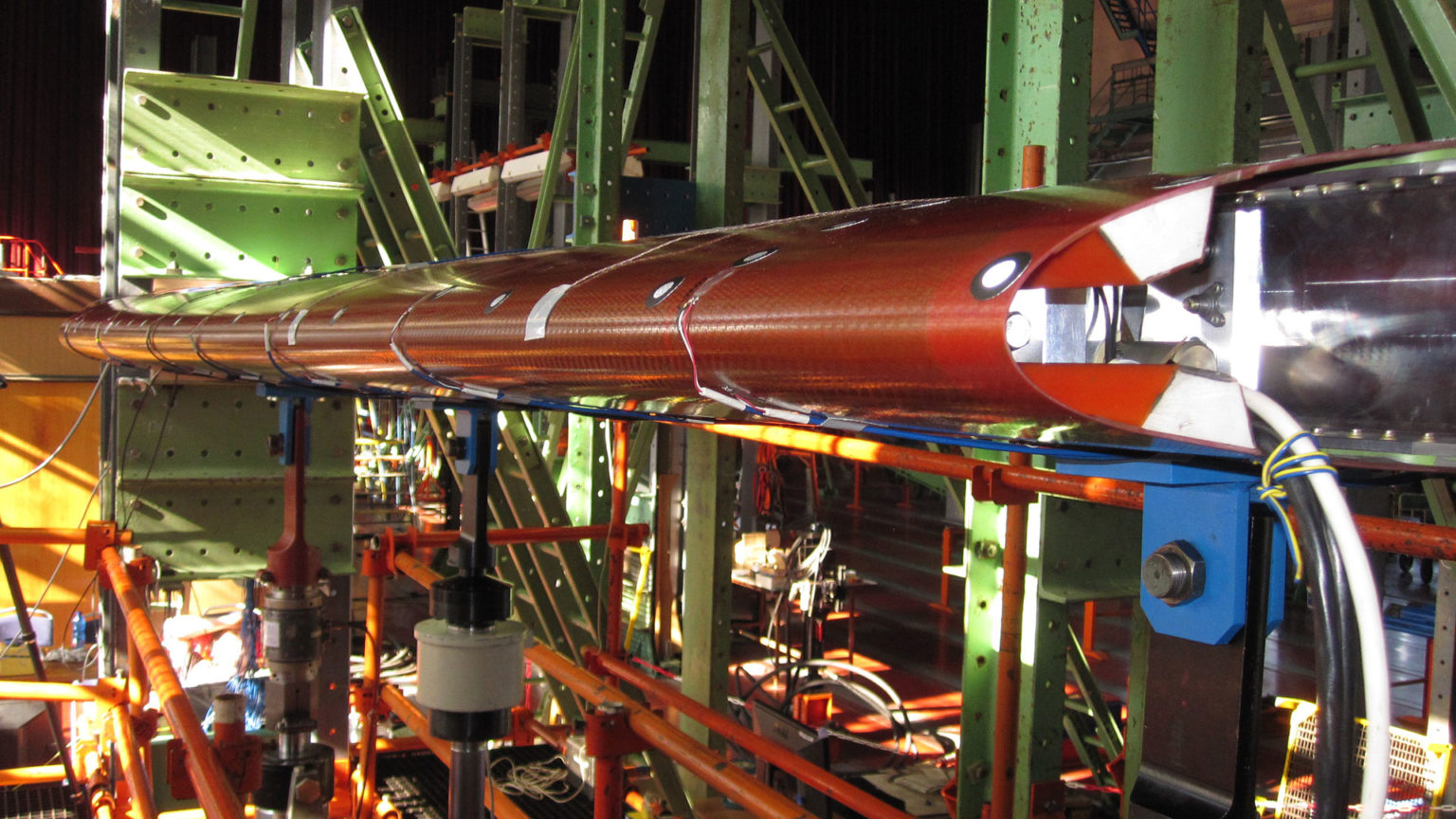
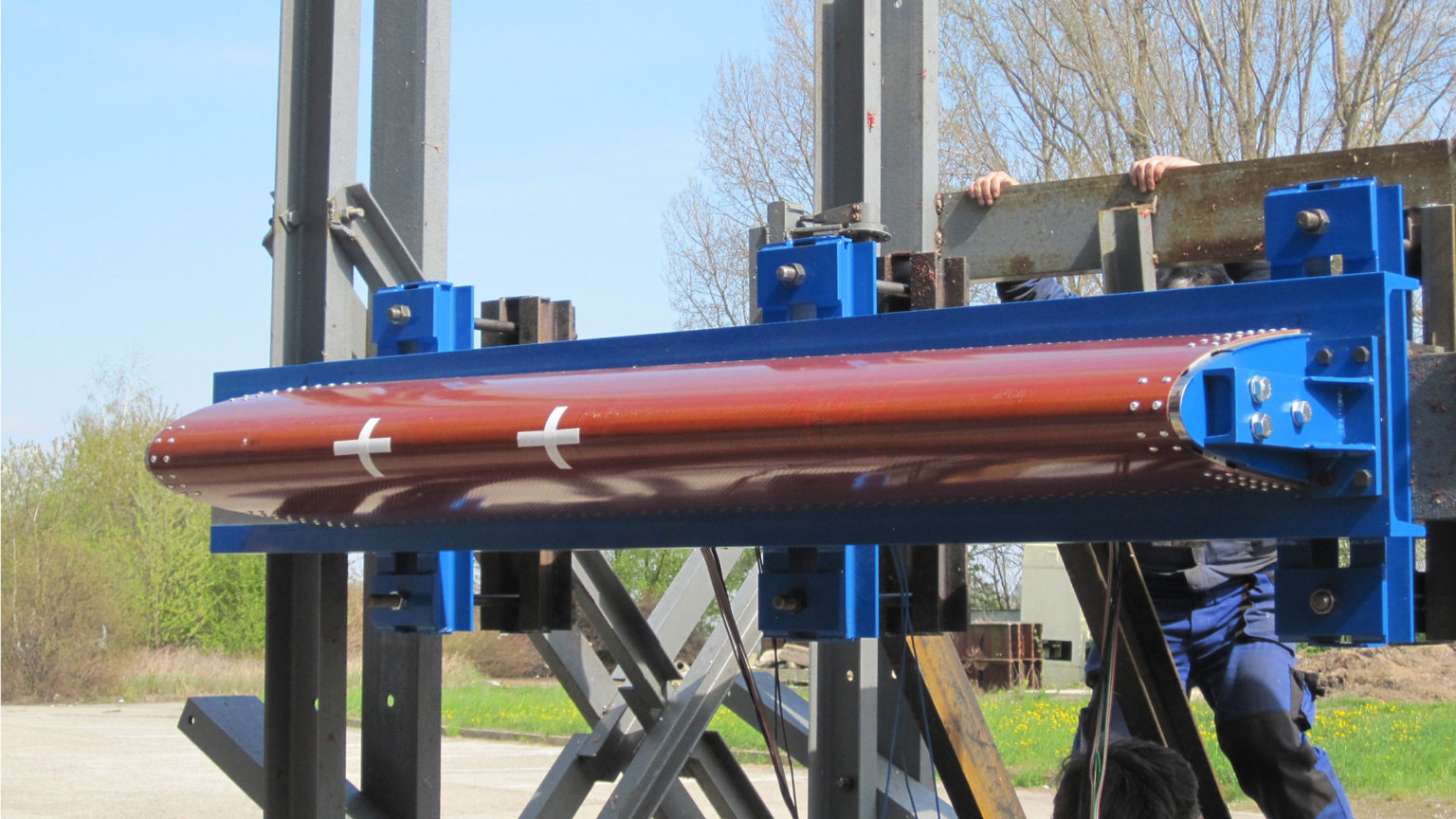
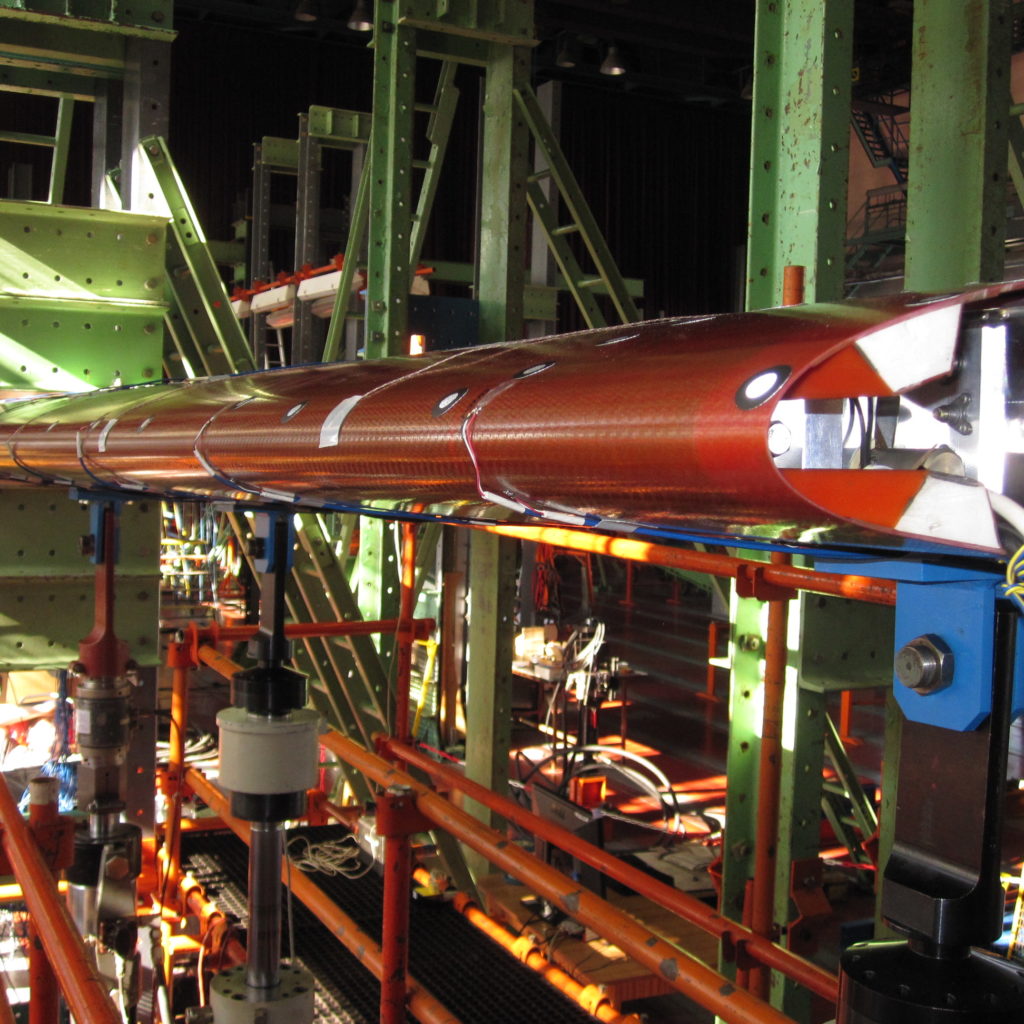
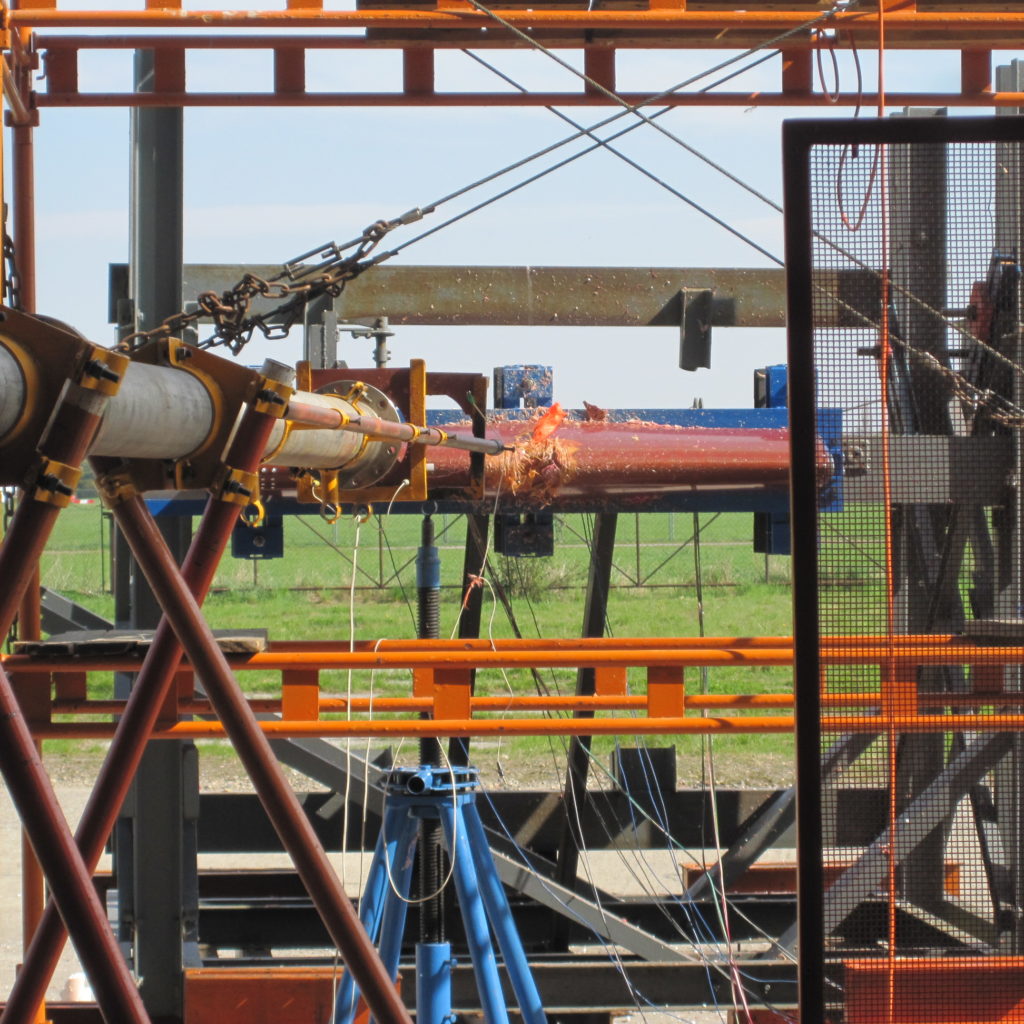
INVENT’s focus in this SARISTU project was the development of a flexible outer skin for the leading edge of the wing. Relevant functions such as anti-ice and erosion protection have been integrated into the flexible skin. Due to the thin outer skin, the bird strike problem of the EADN (Enhanced Adaptive Droop Nose) of the SARISTU project was also considered.
Unlike conventional wing leading edges, the thin EADN does not provide sufficient barriers to stop the bird before it reaches the supporting wing spar. Moreover, from a kinematic point of view, the morphing skin, mainly made of GFRP, becomes very thin at the leading point of the nose and a high level of energy has to be absorbed or dissipated before reaching the spar.
Invent was involved in:
- Development and execution of test series on multi-material concepts
- Development of tooling concepts for fully integrated GFRP droop nose production
- De-icing tests and lightning stroke tests for integrated heating mats
- Production of fully integrated, large-area wing leading edges on an industrial scale
- Supply of wind tunnel test, ground test, bird strike test and lightning strike tests
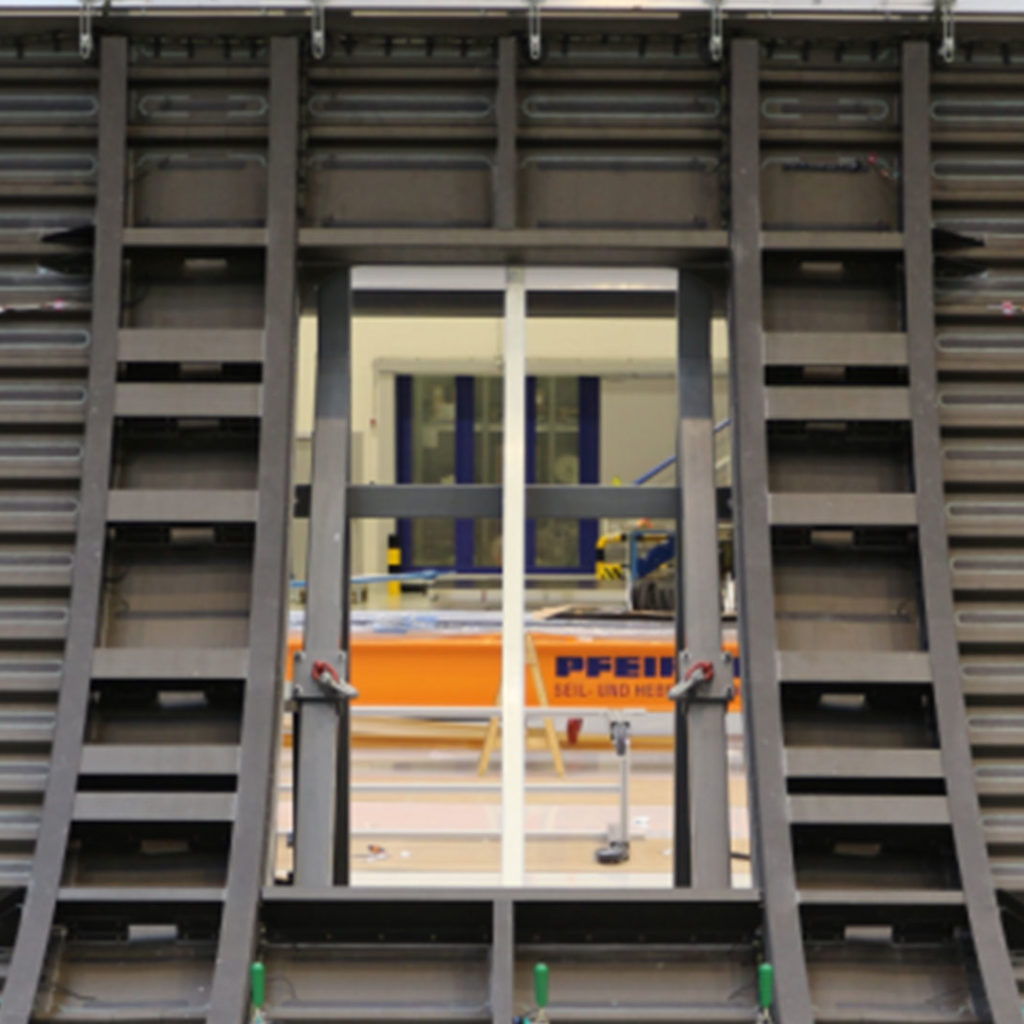
Development of a door environment structure of an aircraft with Structural Health Monitoring (SHM).
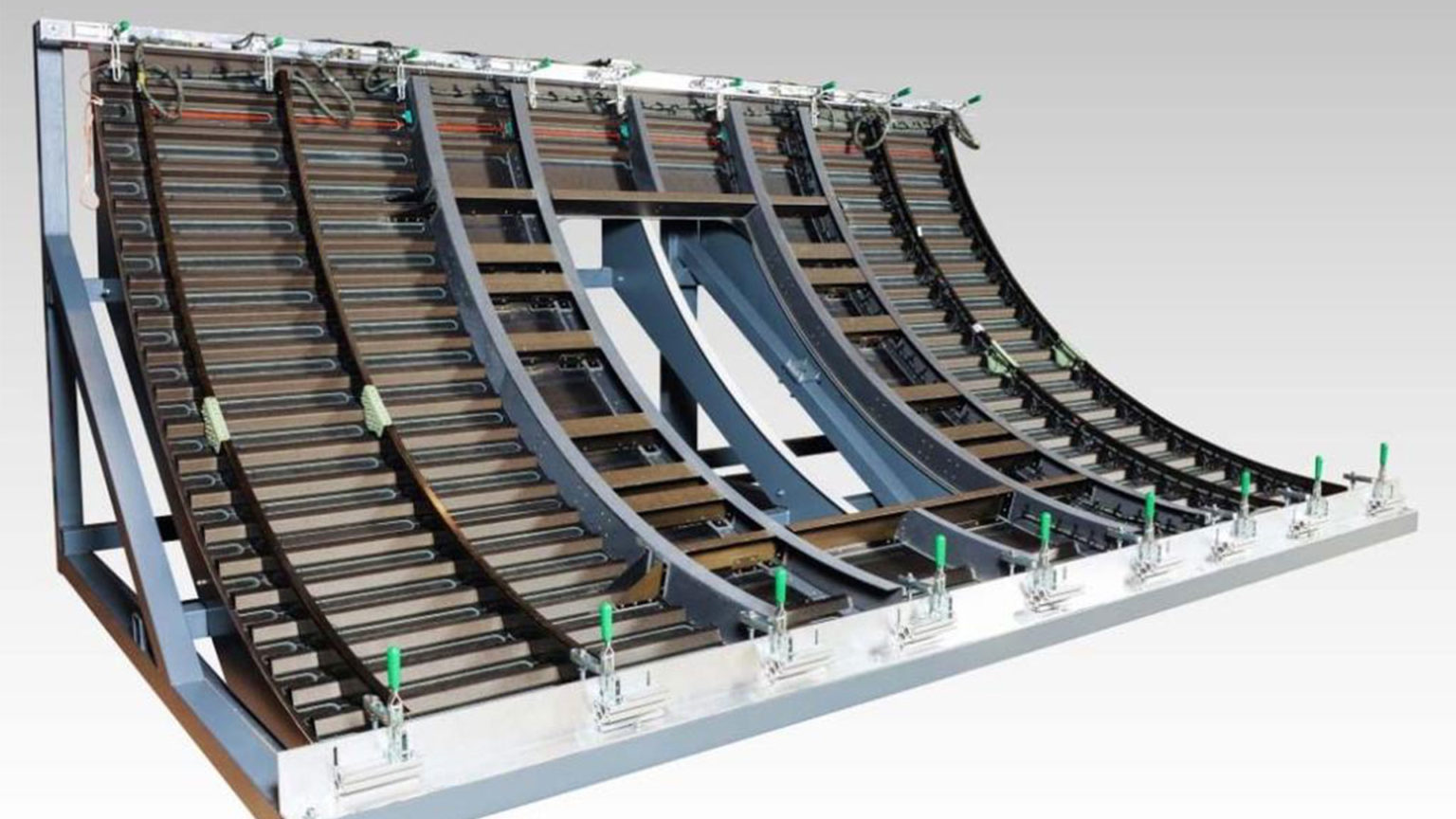
Integrated structural health monitoring with Lamb waves is a promising technique to continuously check composite structures for possible damage during operation. On this basis, the development and implementation of a full-scale fibre composite fuselage section with door surround structure and integrated SHM system has been realised.
The sensor network of piezoceramic sensors is based on our product DuraAct.
INVENT was involved in:
- Development, design and bread board tests
- Fabrication of sensor arrays
- Installation and cabling of the sensor arrays to networks
- In total: 584 sensors and 126 sensor arrays
Further information:
Smart Intelligent Aircraft Structures (SARISTU), Proceedings of the Final Project Conference, 2006, Springer, More Info…
PRODUCTS AND SERVICES
SERIES PRODUCTION
We have been a direct supplier of structural and fairing parts for Airbus since 2007. In the list of qualified suppliers, INVENT is listed under ARP ID 217359.
Proof of our successful assurance of delivery and quality performance is the continuous D1 rating of 100% we receive from our customer Airbus.
We also manufacture a wide variety of structures for our commercial and general aviation customers:
- Primary and secondary structural elements
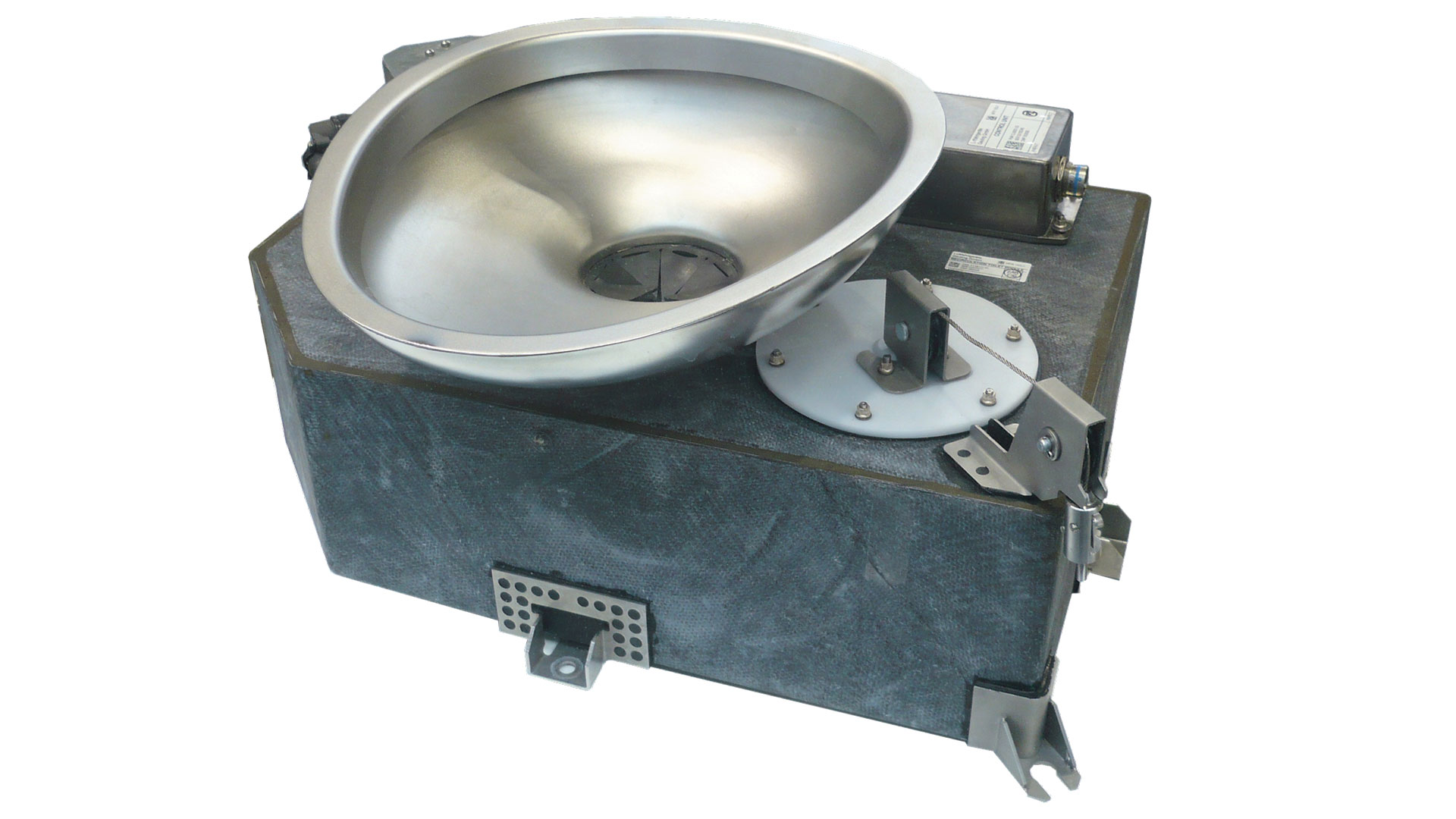
- Water tanks
- Crash absorption elements
- Helicopter cabins
- Skis for helicopters
- Air conditioning pipes
- Interior linings
- Rudder components
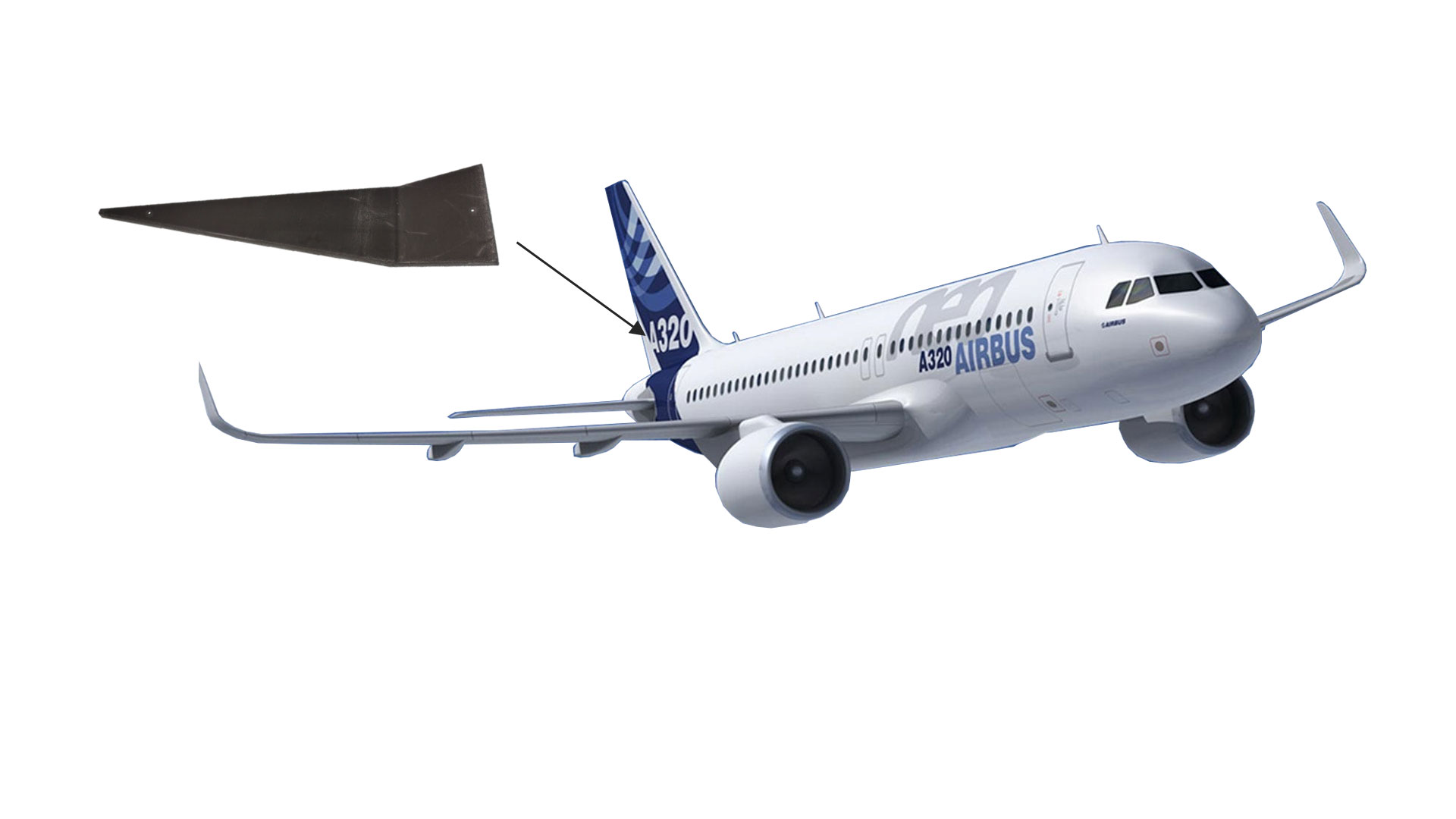
- Airbus A320, A330, A350, A380
- Embraer Phenom 100, 300
- Dornier Do228, Do328-100 (TP), Do328-300 (Jet)
- NHI NH 90
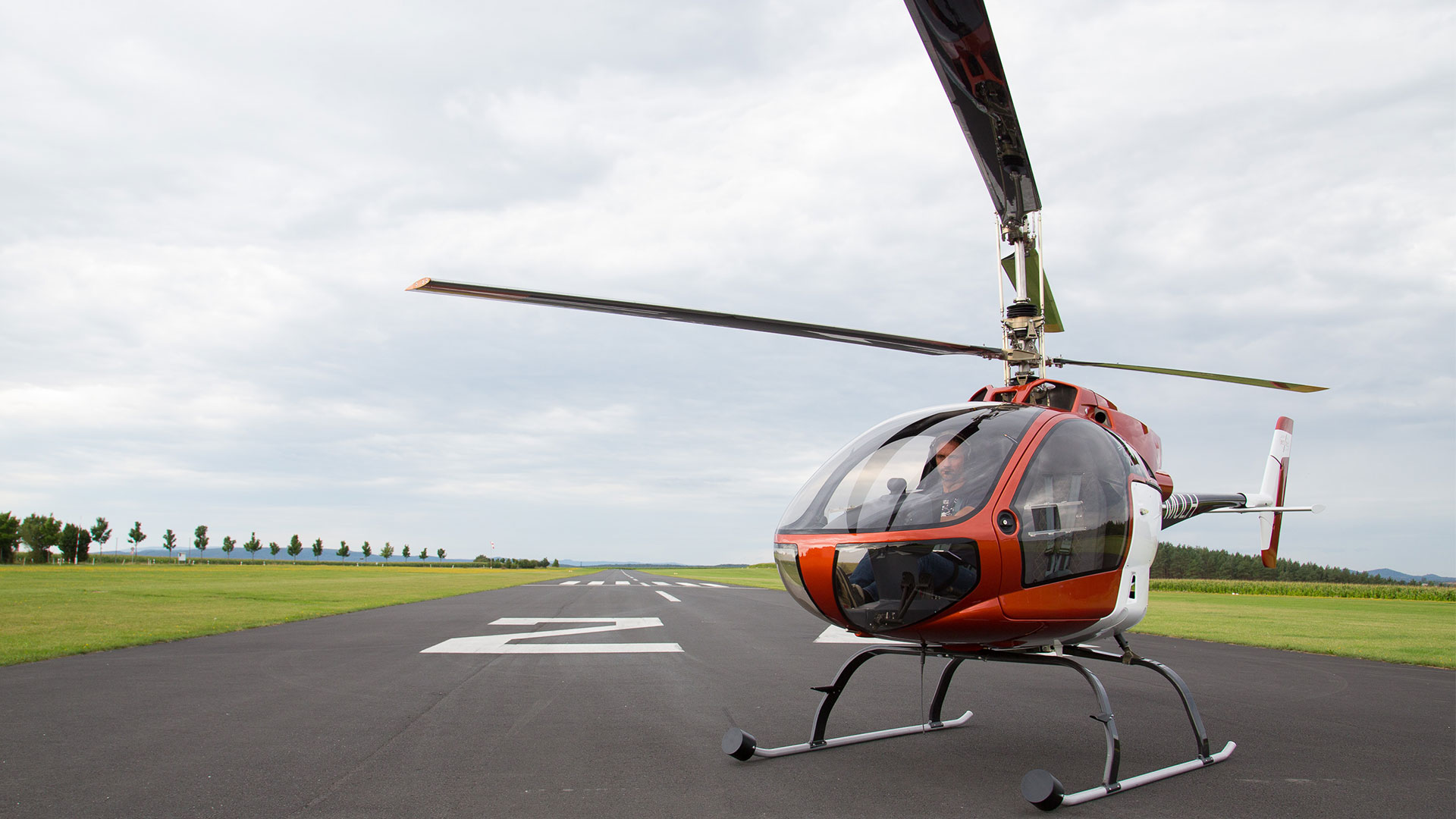
- edm aerotec CoAX 2D & CoAX 600
From our customers we get a forecast of the required quantities in the flying programs. Through our advance planning and production strategy, we reliably secure the rates. The manufacturing processes for composite production meet the highest industrial standards and customer requirements and are Nadcap accredited, which contributes to consistently high component quality. INVENT as an SME from Braunschweig supplies customers worldwide with high-quality fiber composite components.
With our components in the rudder, for example, the A320 stays on course. The internal high quality standards enable a total delivered quantity of more than 10,000 units with a delivery performance of D1 100% and a defect rate of R1 0% as a Tier 1 supplier for Airbus. This means that there is an INVENT component in every flying A320.
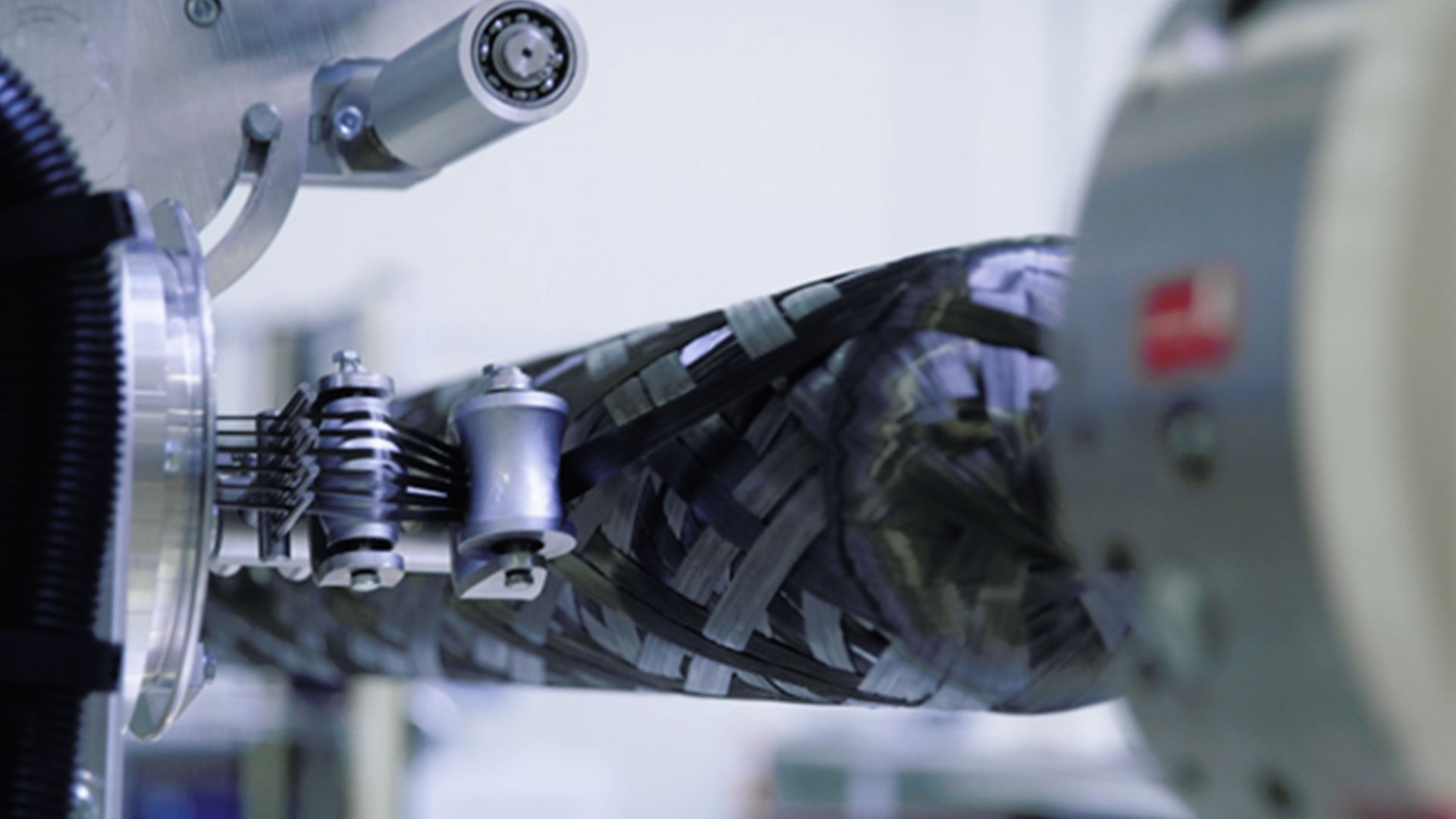
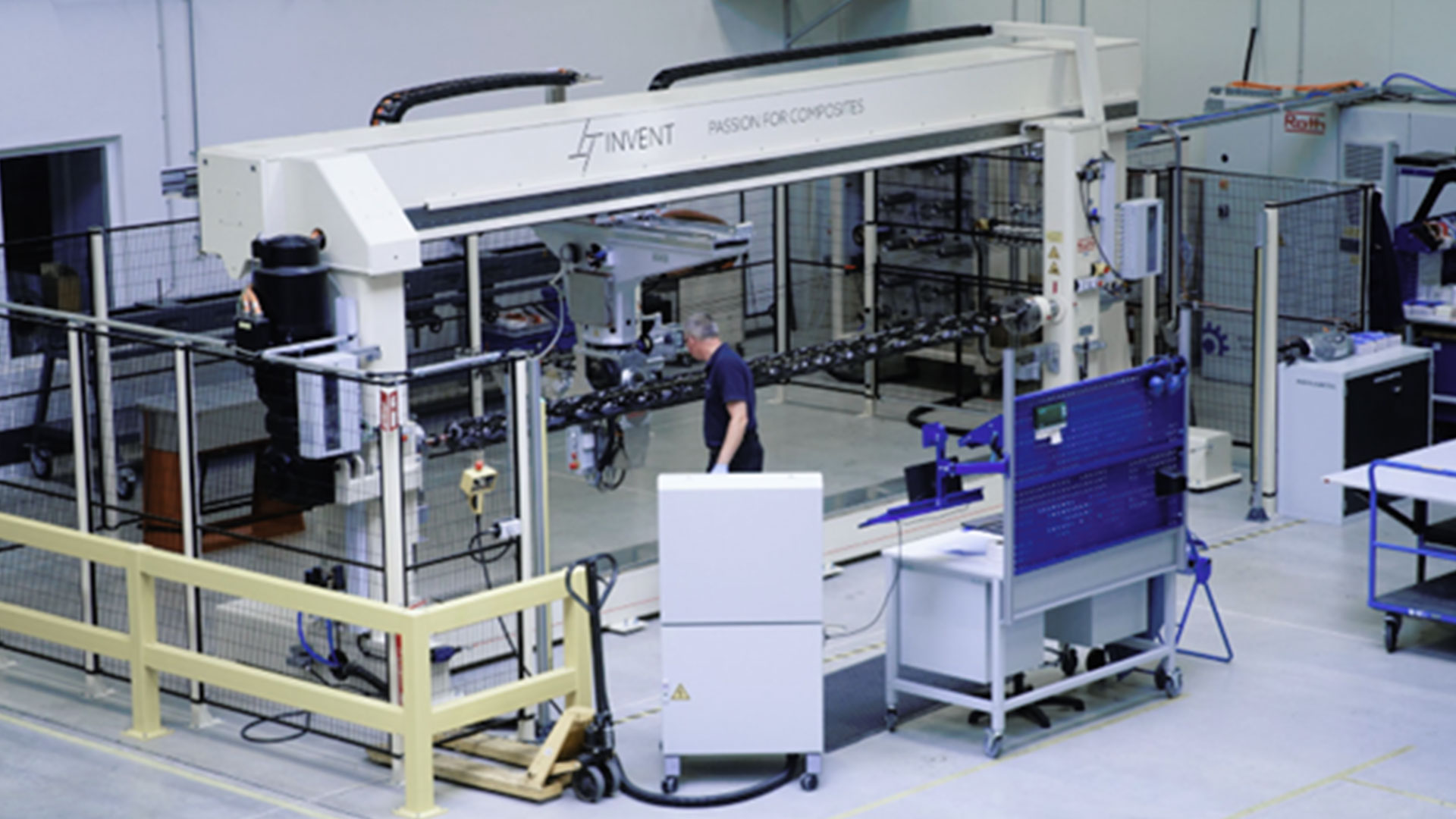
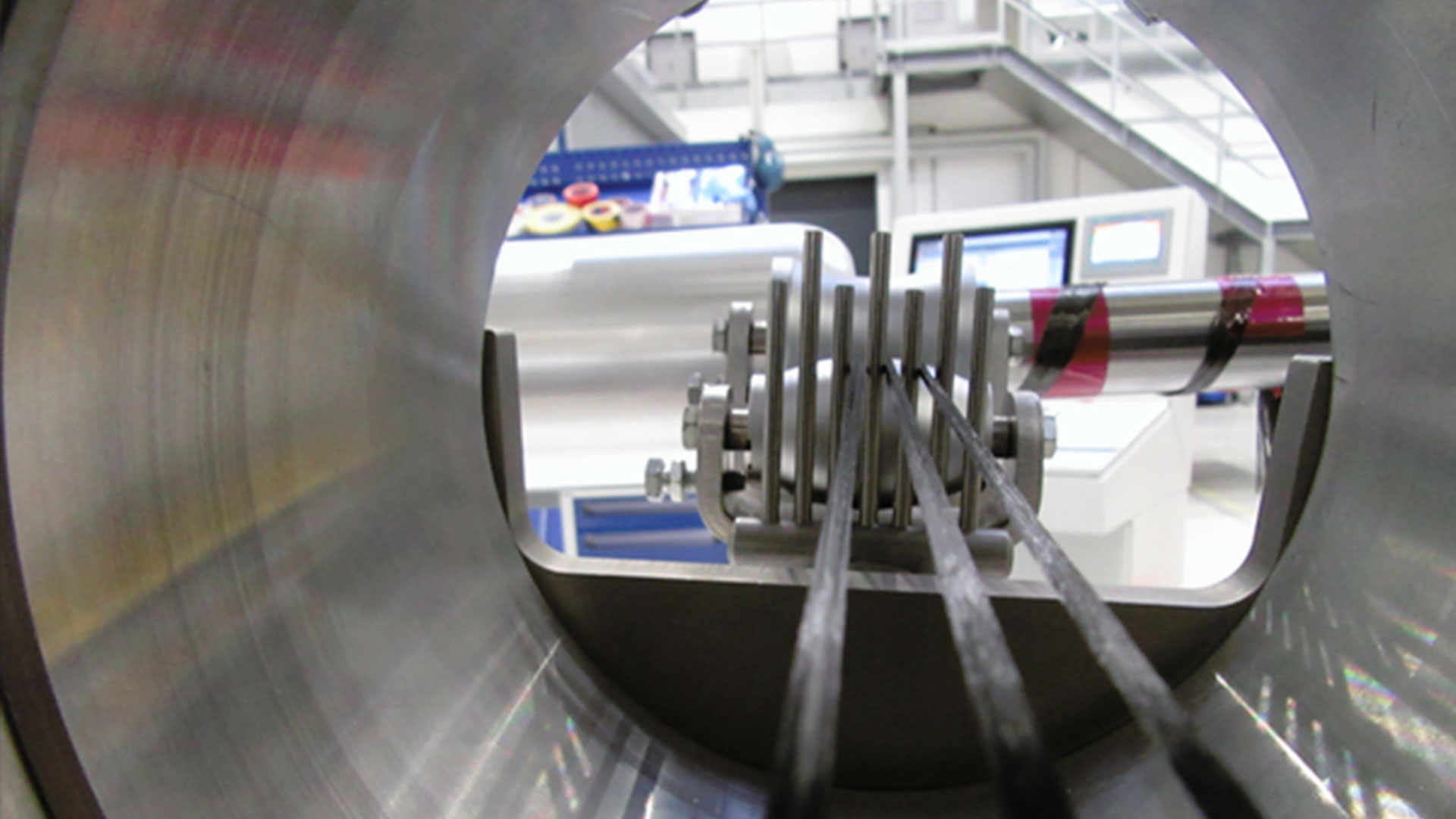
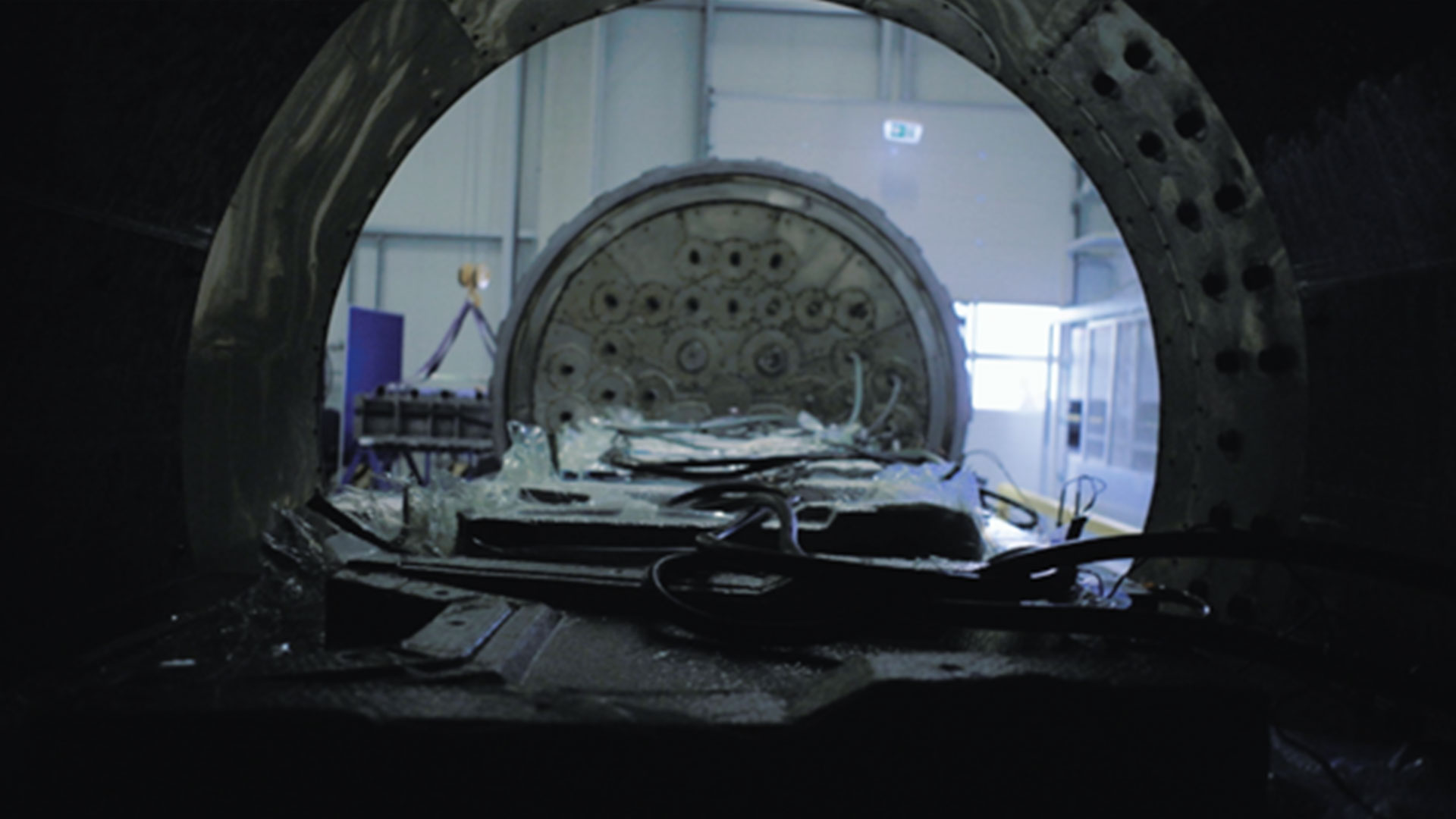
Our manufacturing diversity is also reflected in the production processes of series production. For component manufacture, we use Prepreg/Autoclave-Process, Filament Winding Process, Resin Injection & Infusion Process as well as Adhesive Bonding.
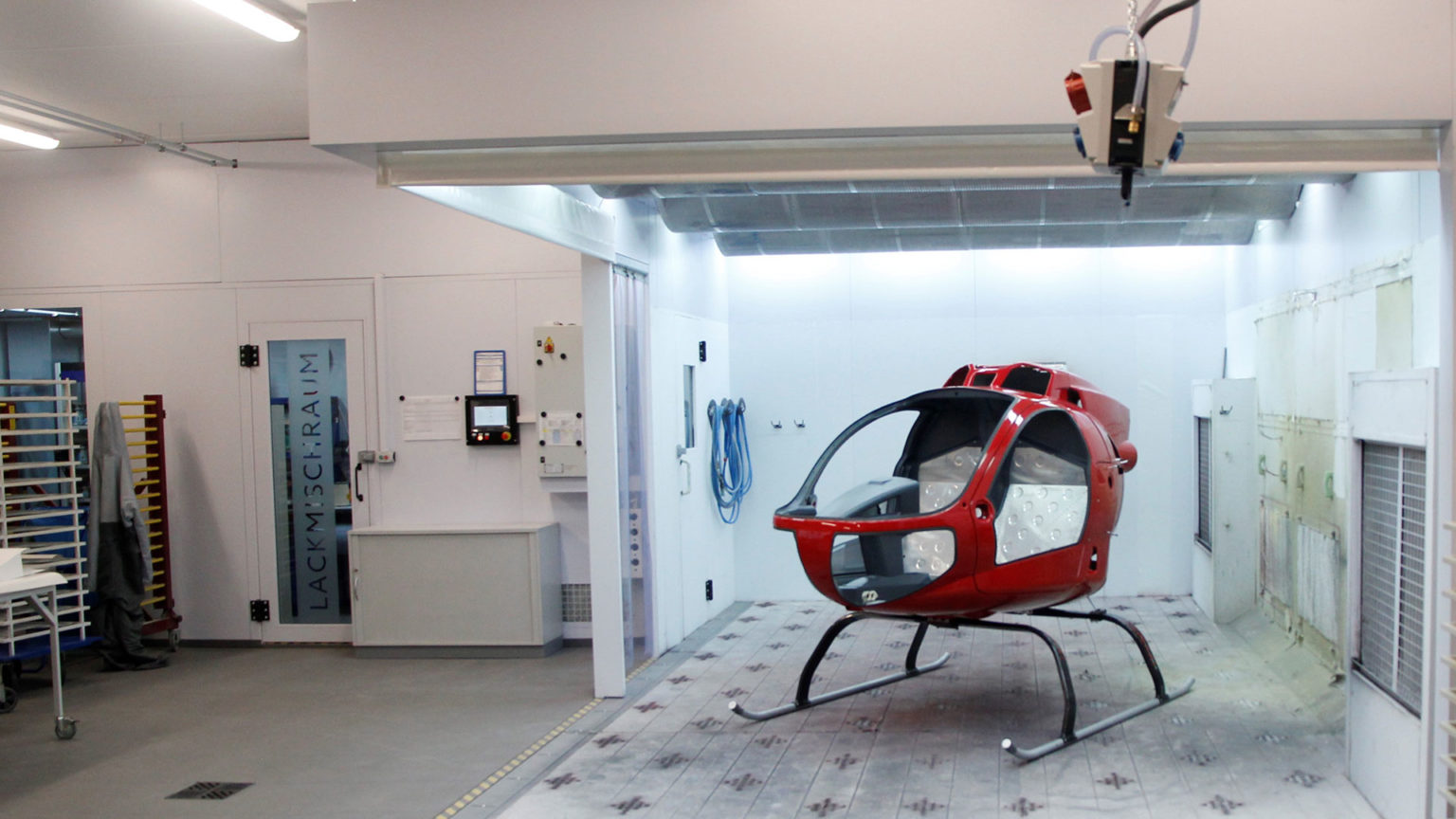
Many components are painted and delivered ready for installation.
Ultra-lightweight Composite Parts for Helicopters
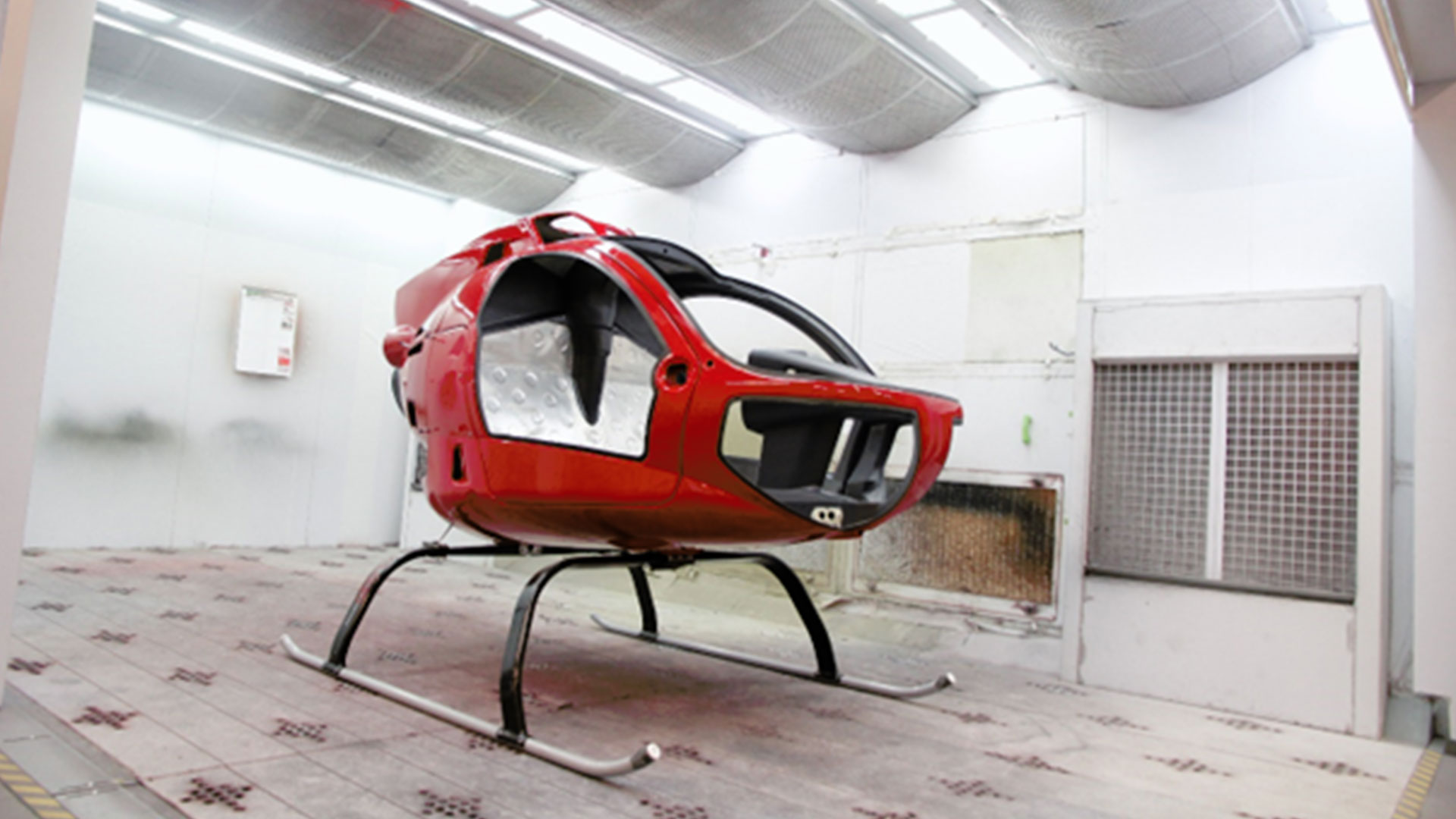
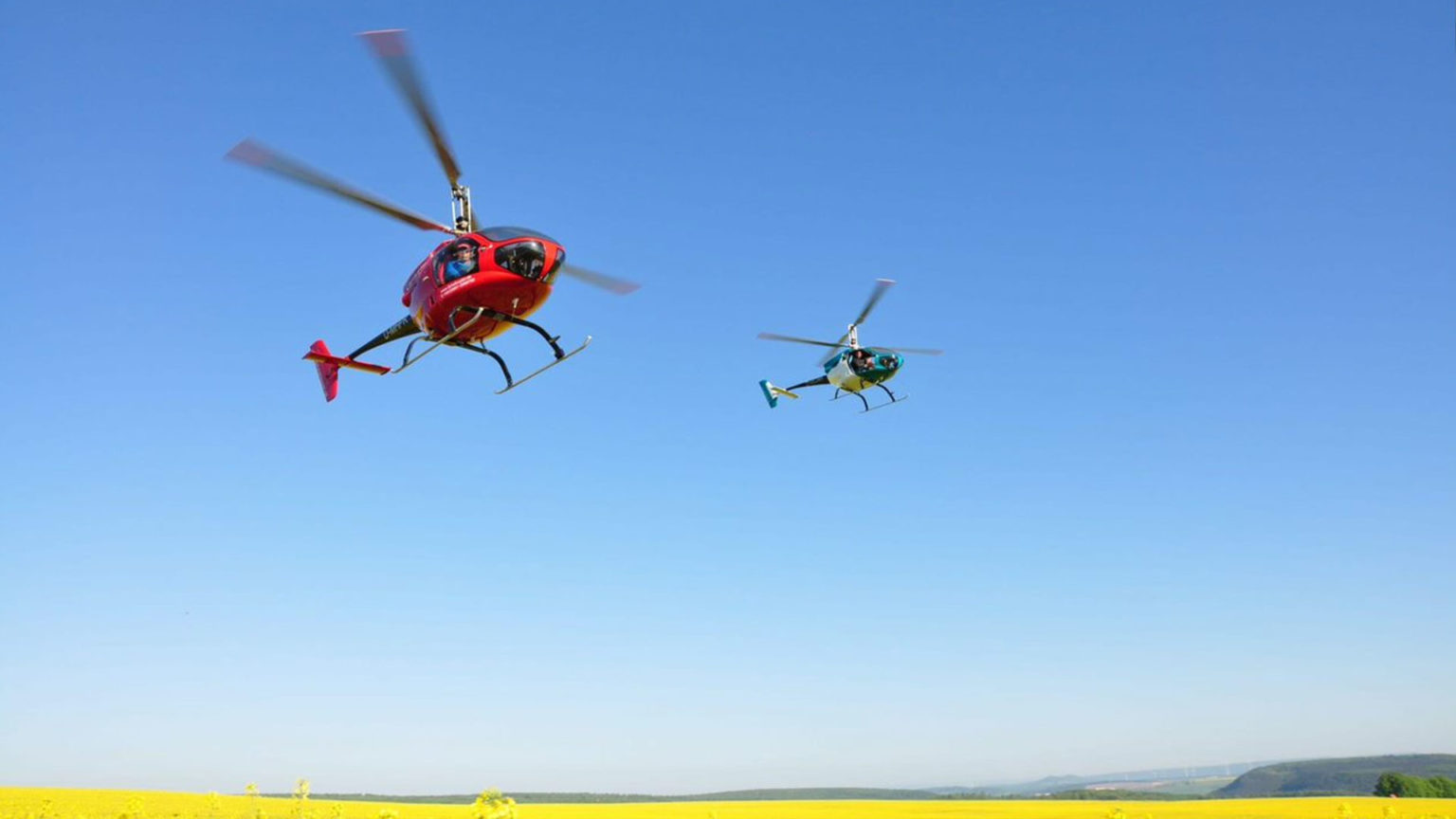
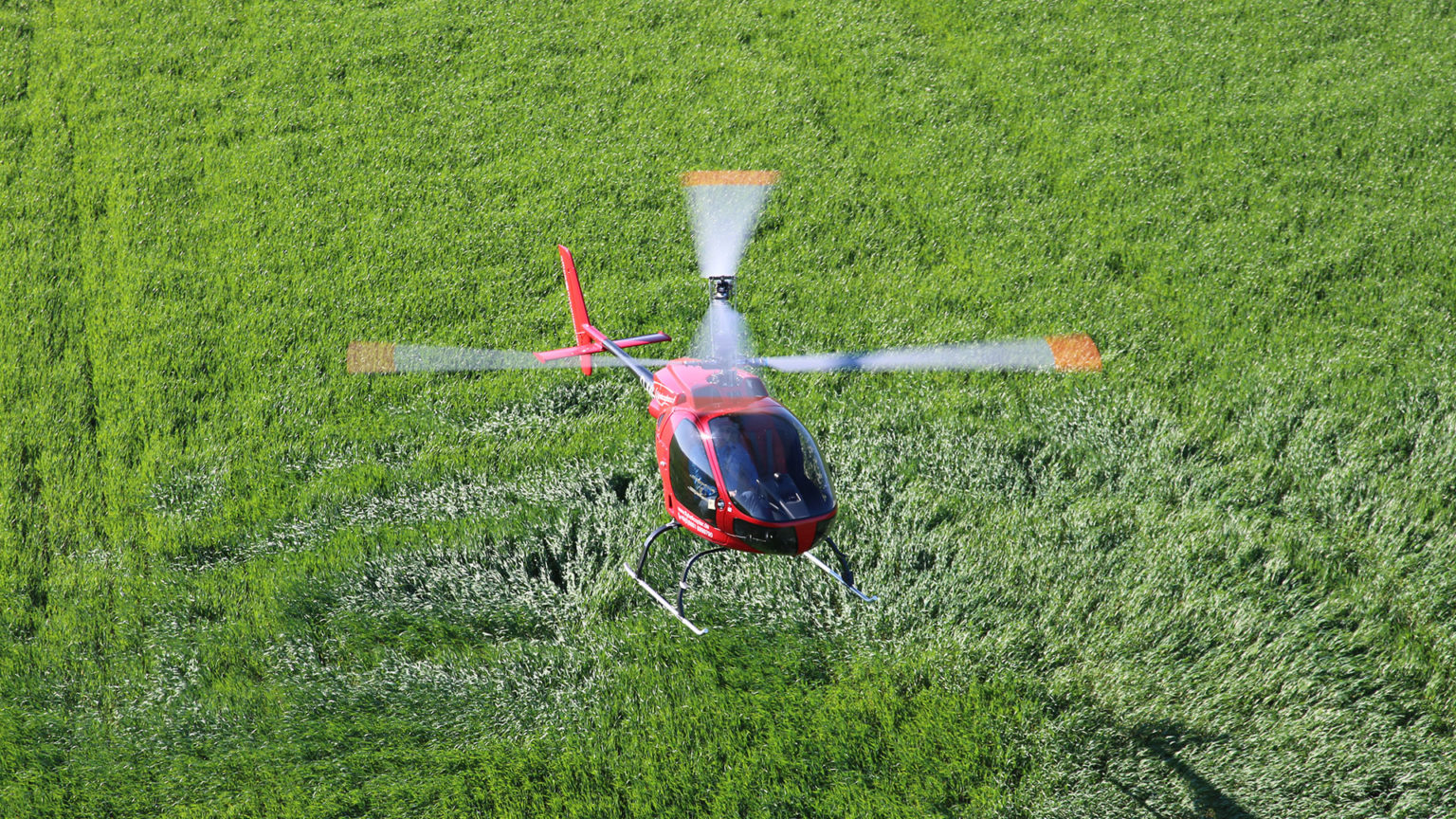
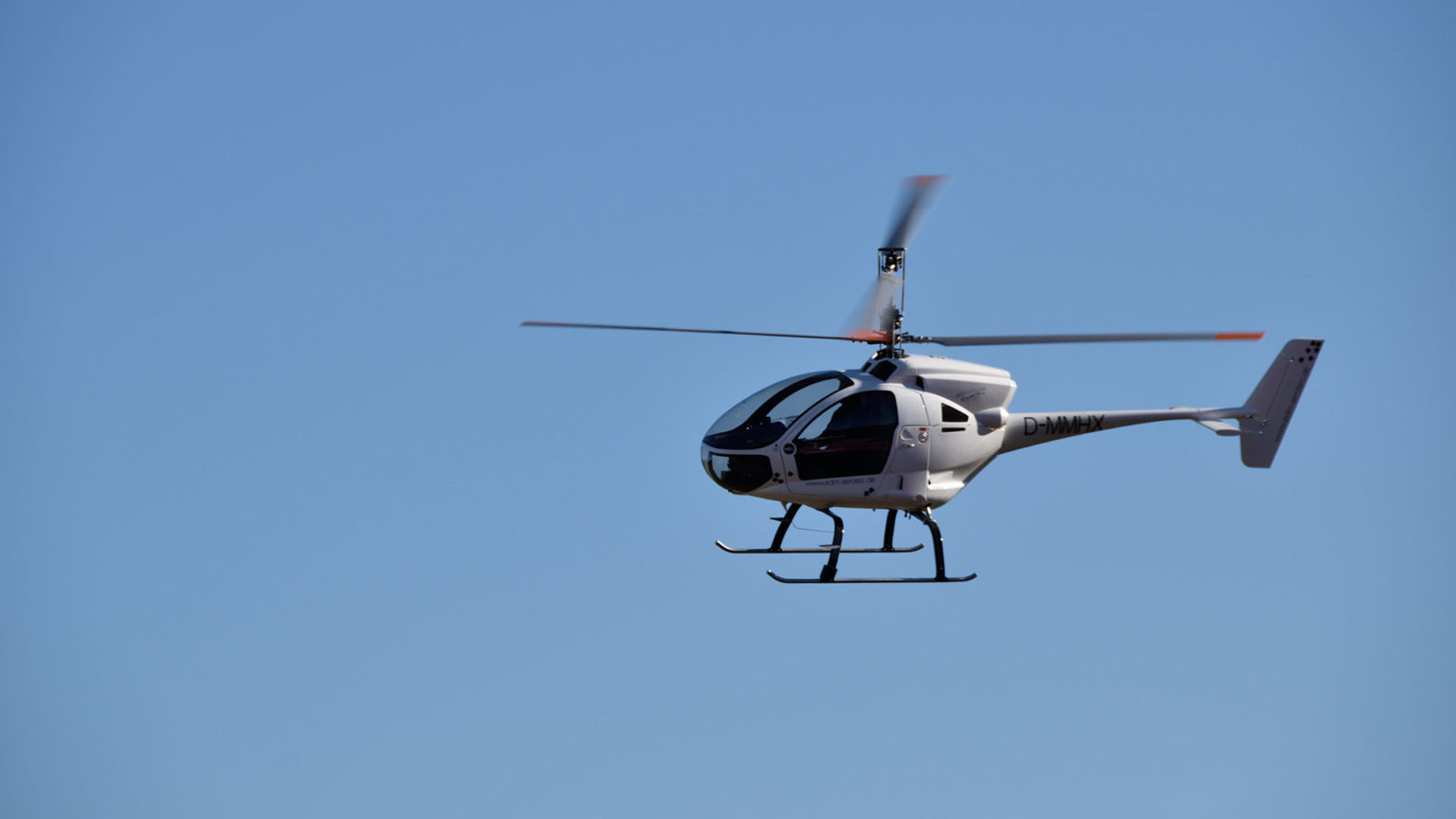
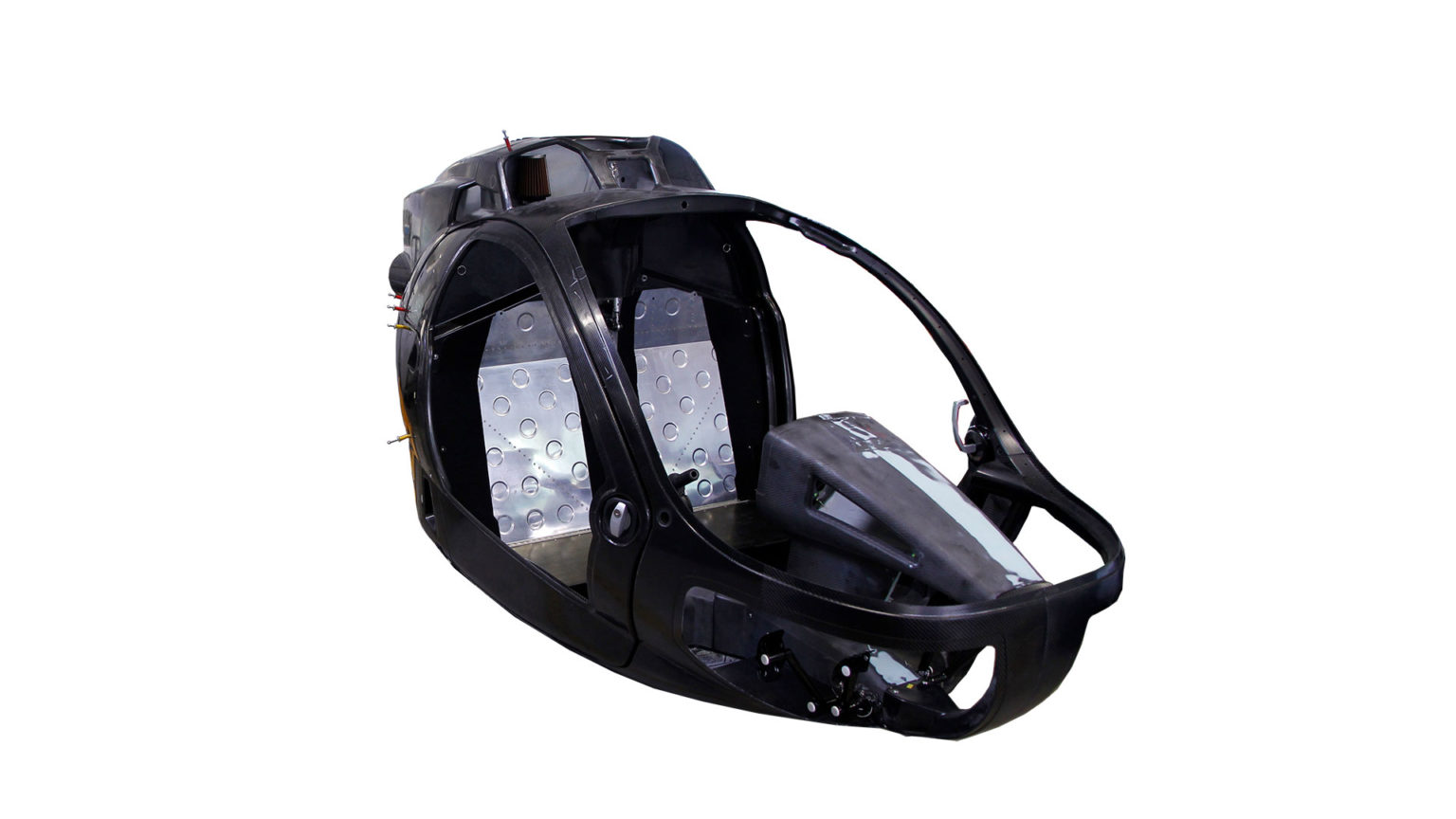
For the first coaxial ultra-lightweight helicopter CoAX 2D and CoAX 600 certified in Germany by edm aerotec, the entire CFRP frame of the cabin, the doors as well as the fairing parts of the fuselage are manufactured by INVENT.
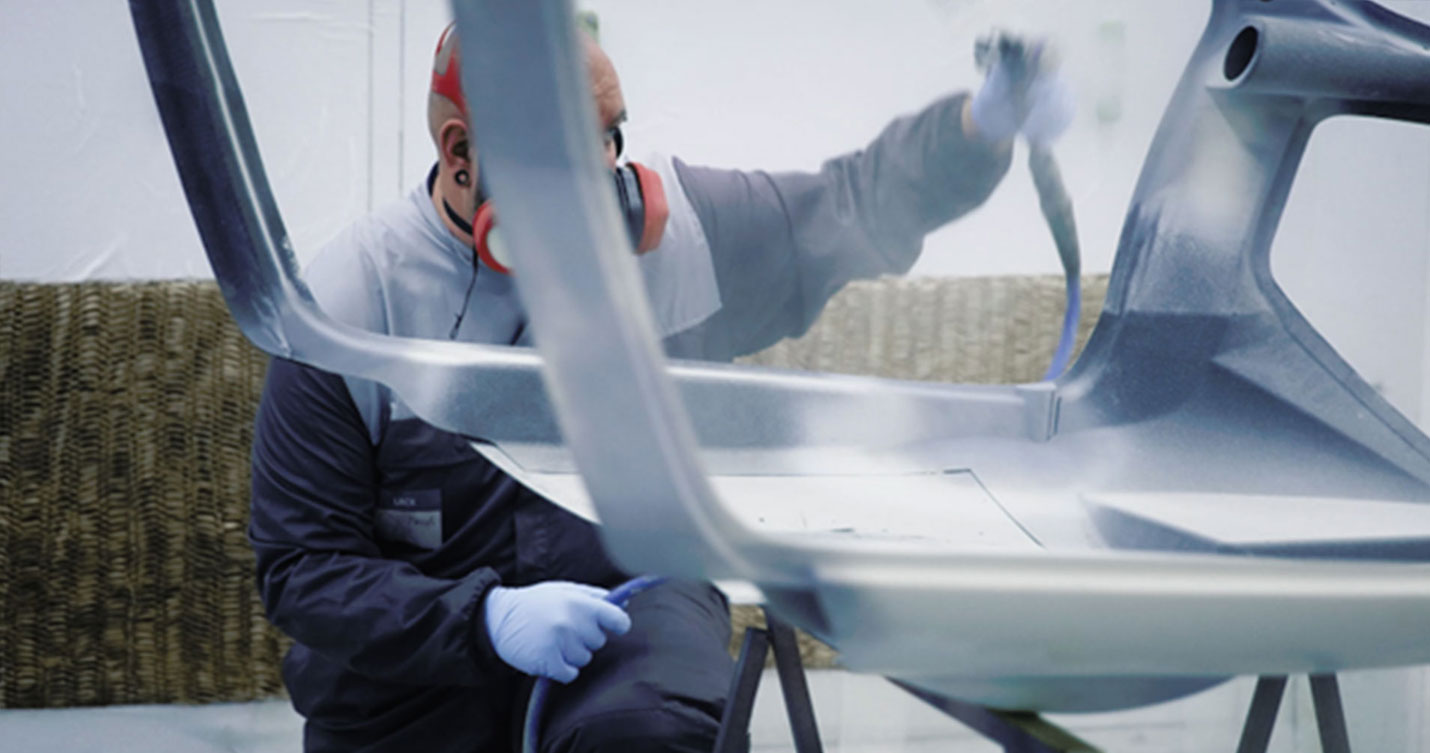
After alignment and assembly of the individual parts, the cabin is then given a customised paint finish in the desired colour.
The total weight of this cabin structure including the windows is less than 20 kg.
- NH90
- CoaAX 2D CoAX 600
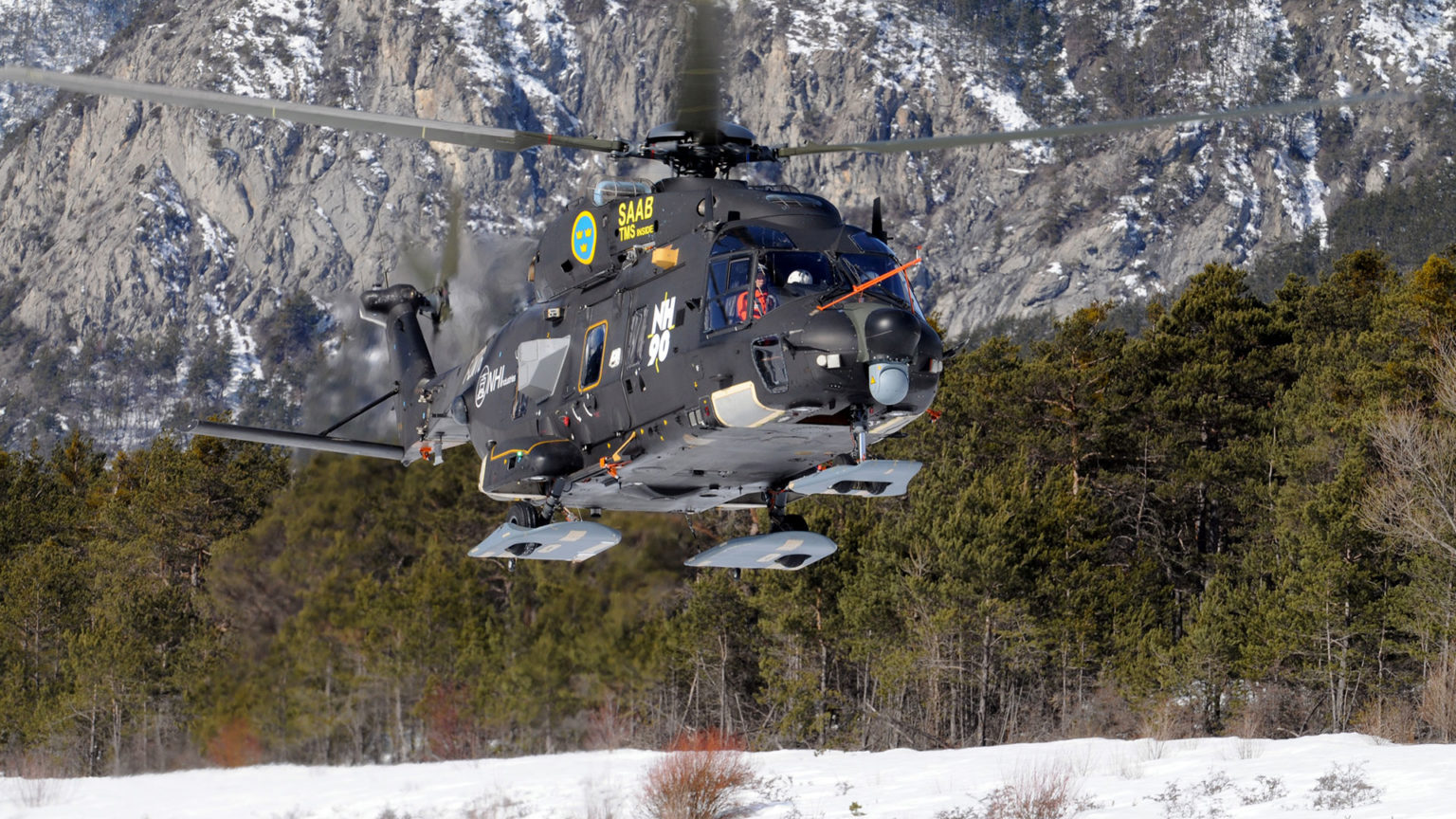
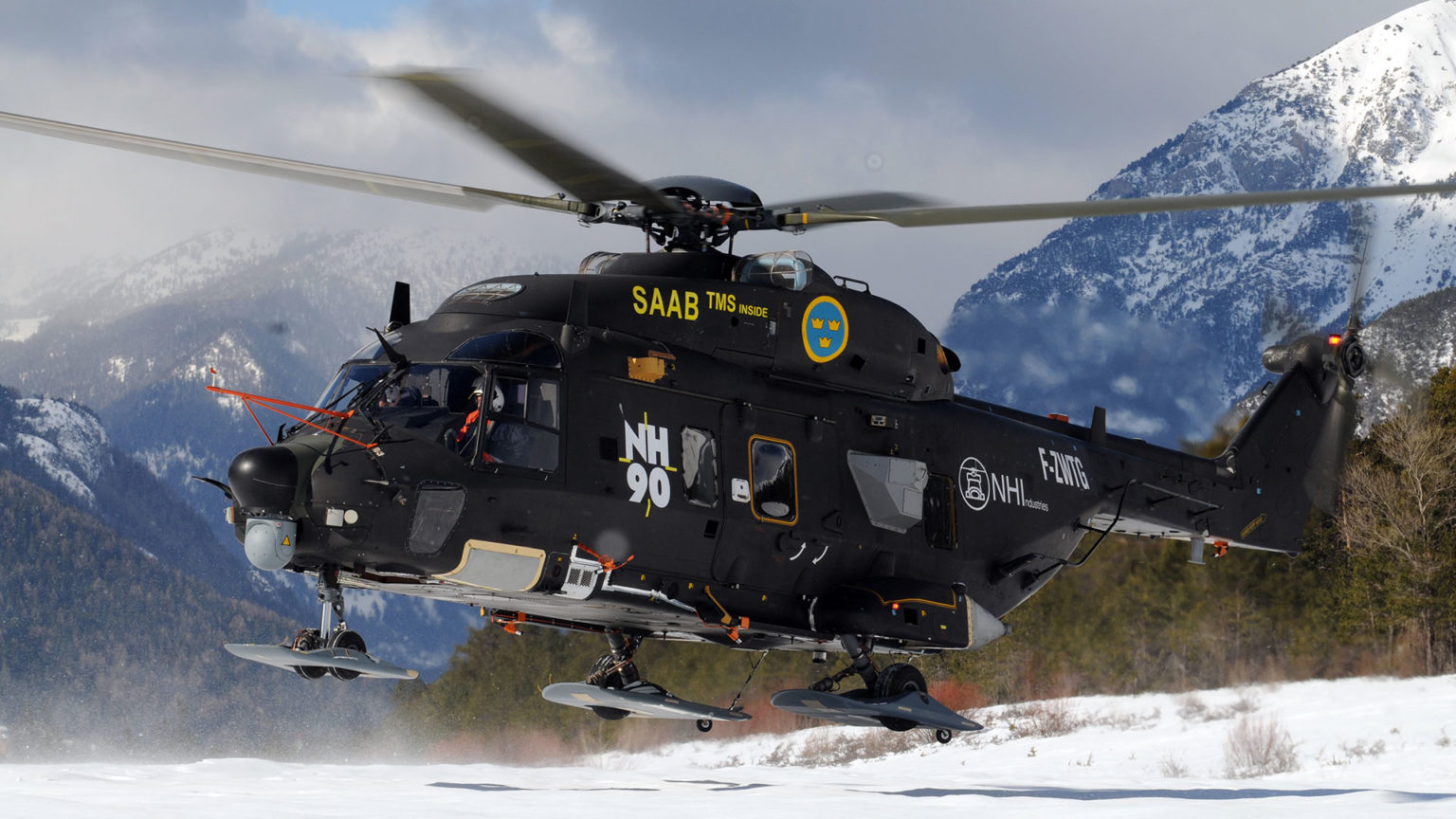
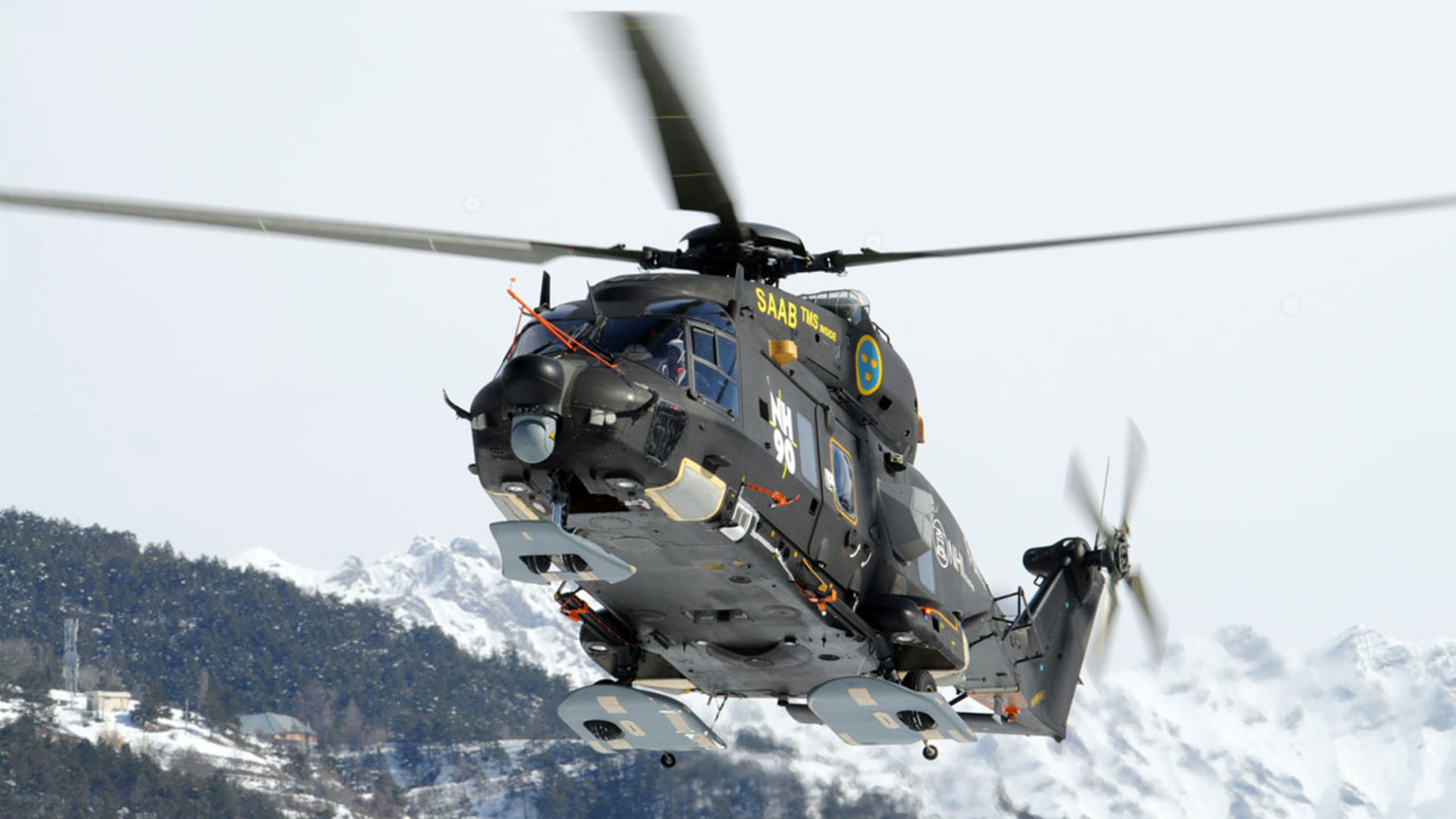
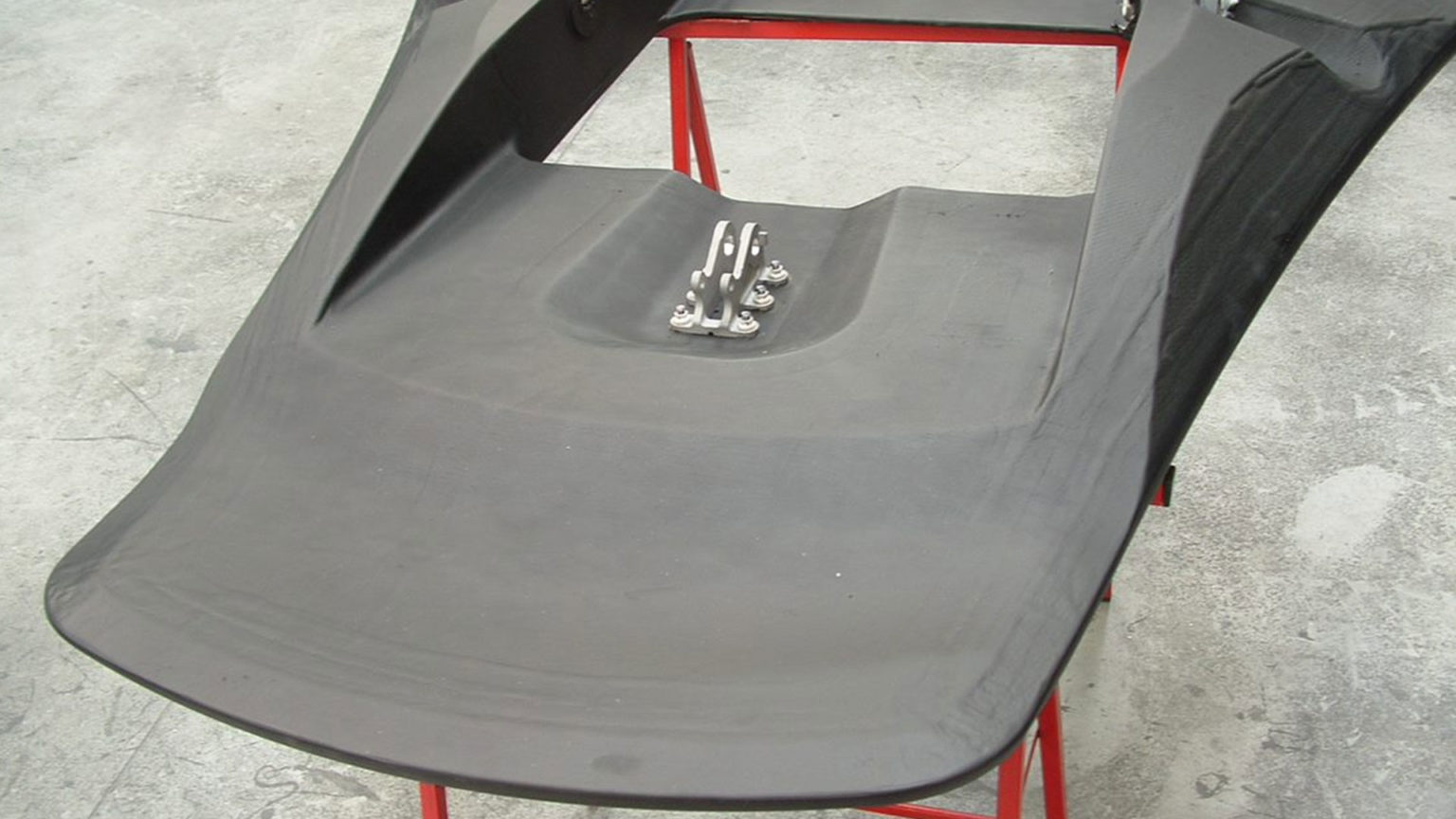
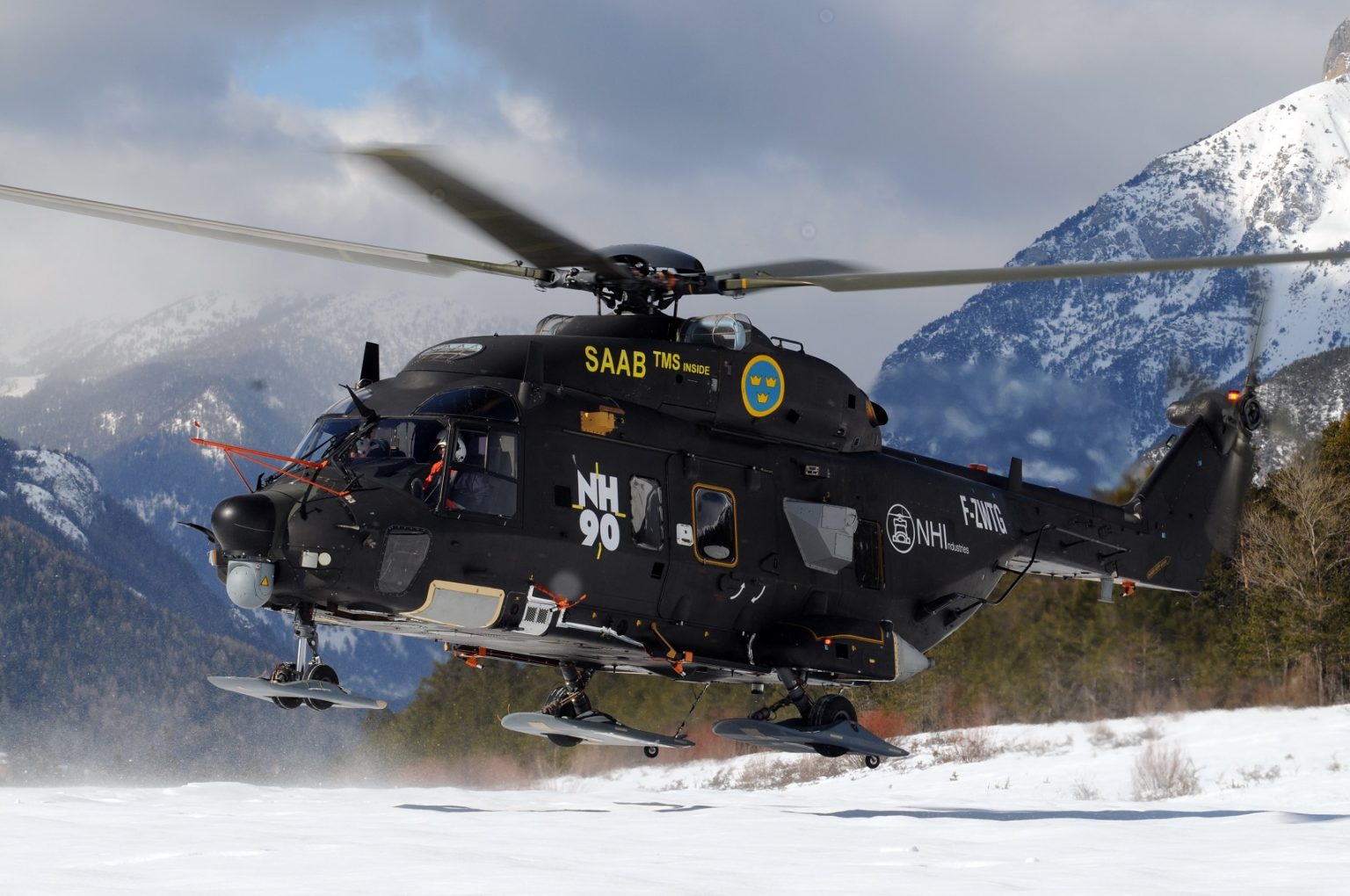
Skis have been developed and manufactured by INVENT for the NH90 military transport helicopter.
The successful qualification of the skis could be implemented within the framework of the development project. The ski set enables the NH90 to land safely in snowy terrain time and again.
The development of suitable repair concepts for on-site maintenance, delivery of spare parts and the repair of the skis are also carried out by INVENT.
INVENT offers the following services:
- Development of individual design solutions
- Consulting on material selection, concept development and qualification
- Manufacturing of diverse fibre composite structures, incl. Metallic lightweight solutions.
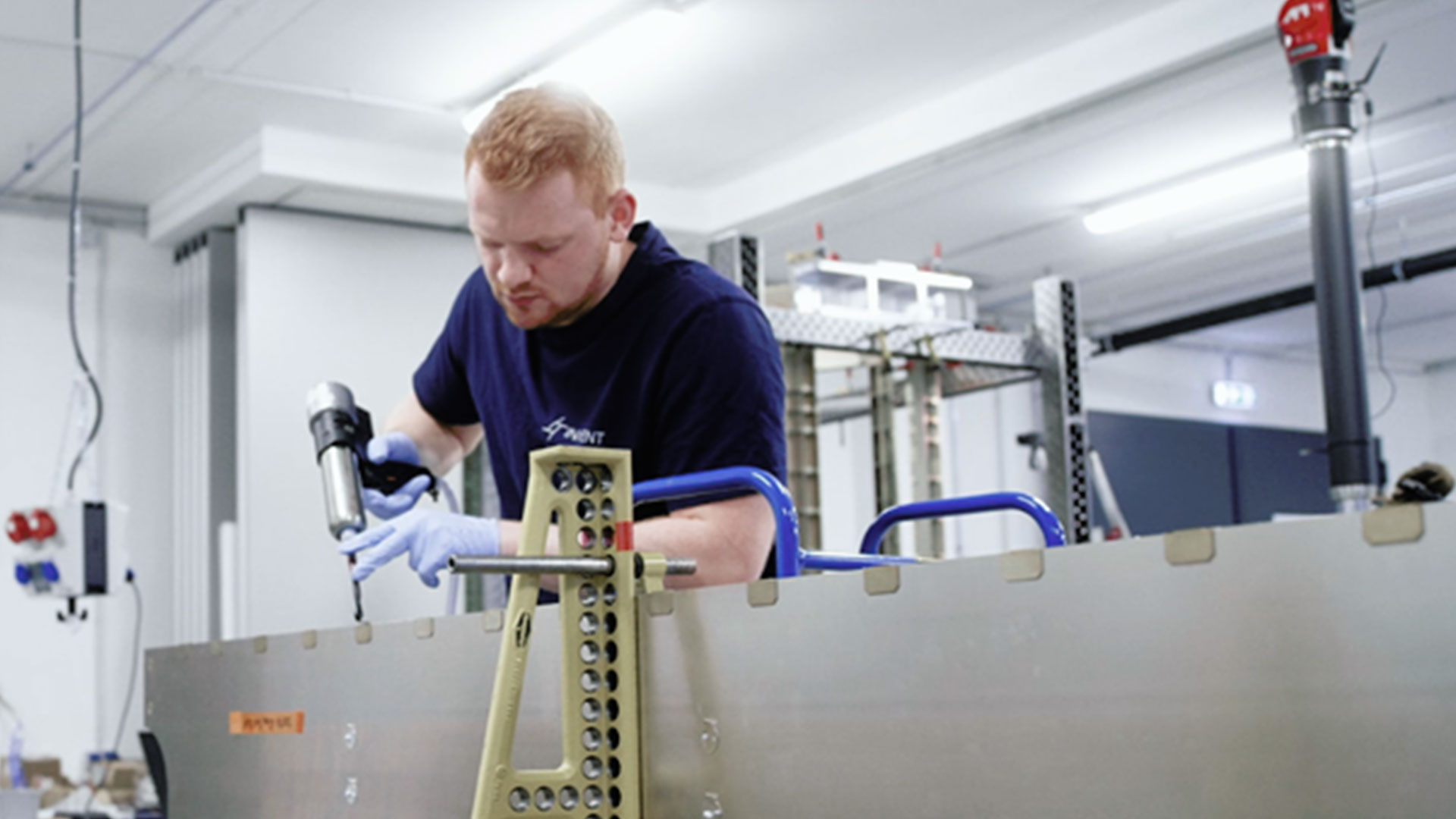
- Structure and component assembly, alignment and checking of geometric tolerances
- Joining techniques as adhesive bonding, riveting and screwing
- Surface coatings, priming and painting
- Repair of composite structures
- Process assurance through accompanying material and construction tests
Material Test Programmes
We are represented in numerous qualification campaigns within the scope of aviation-specific projects as a producer of the test specimens and test structures.
The range is wide: we manufacture the test laminates up to the processing of the specimens to final dimensions, but also develop and manufacture larger structural test specimens according to individual design specifications. The entire spectrum of our manufacturing capabilities is available, from prepreg and infusion techniques to filament wound specimens.
Furthermore, we have the possibility to carry out non-destructive and destructive tests in our own test laboratory. We can offer here among other things
- Ultrasonic inspection
- Mechanical tests
- DSC
- Optical and tactile geometry measurement
References:
- Test campaigns A380, A350
- Witness and travel specimen for the A350 program
- Supplier for round robin tests on qualification of test laboratories (CAT 1 tests)
- National und international research programmes:
– LuFo
– CleanSky2
– CleanAviation
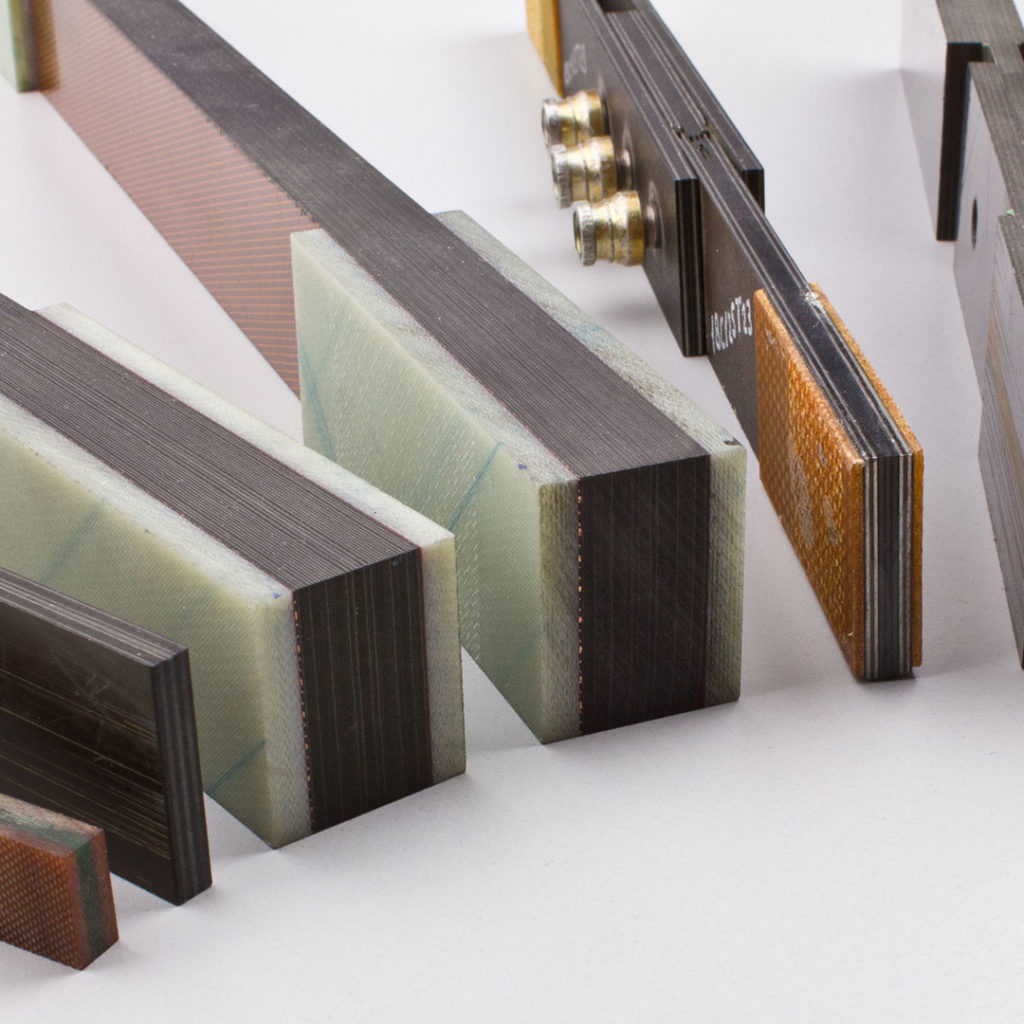
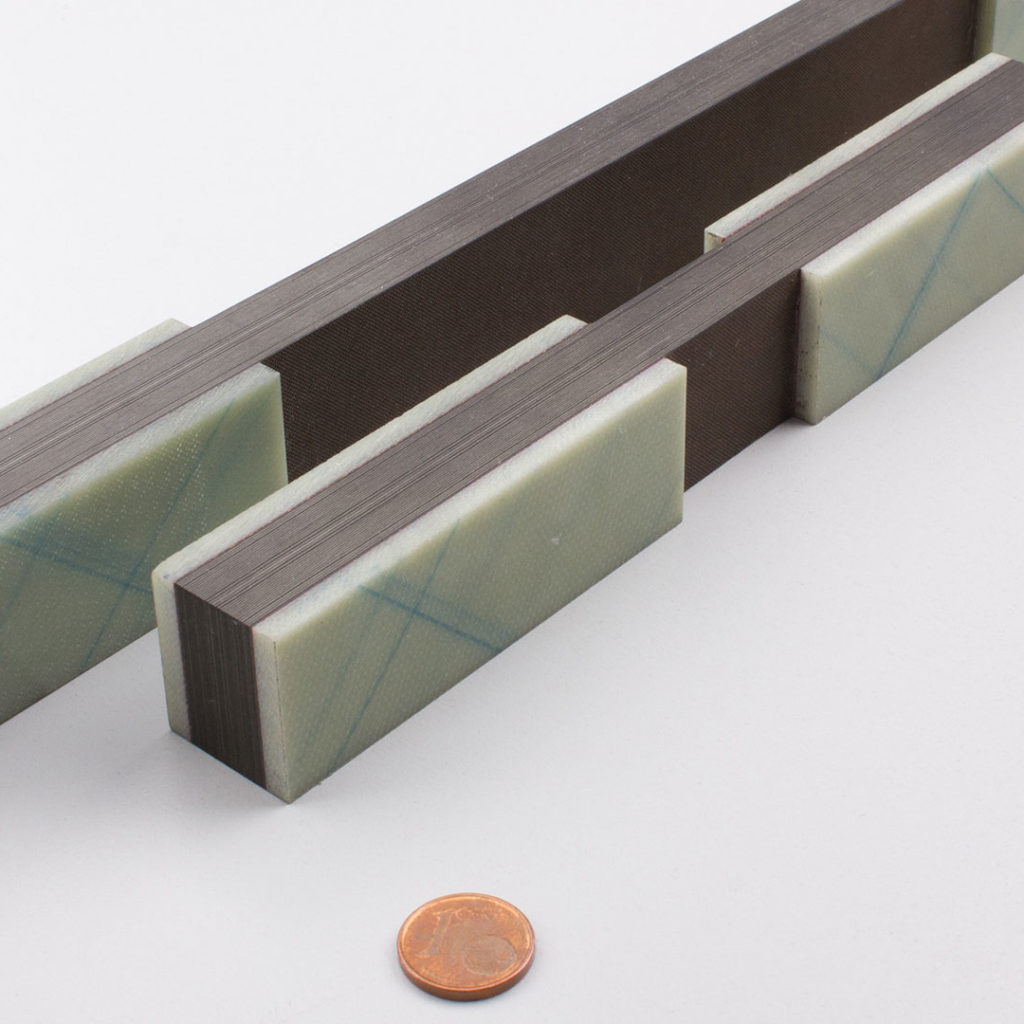
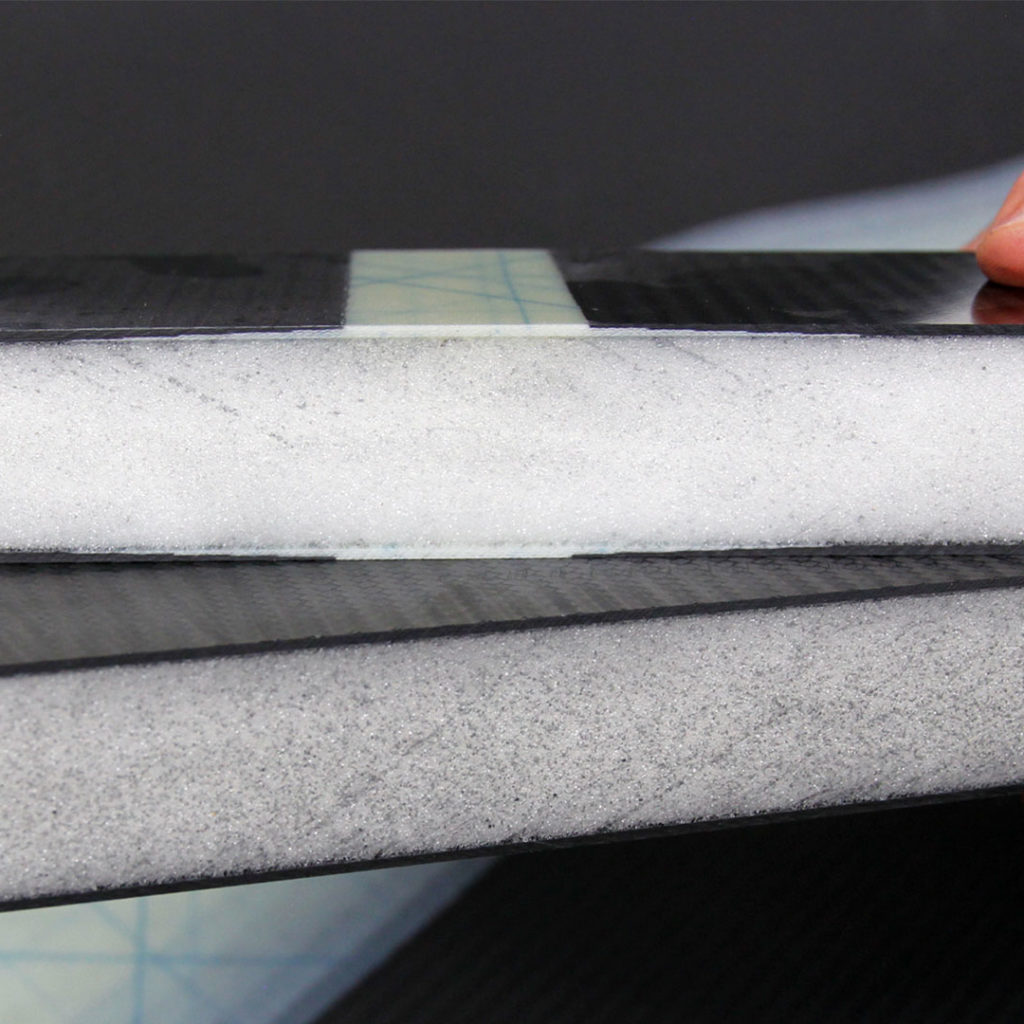
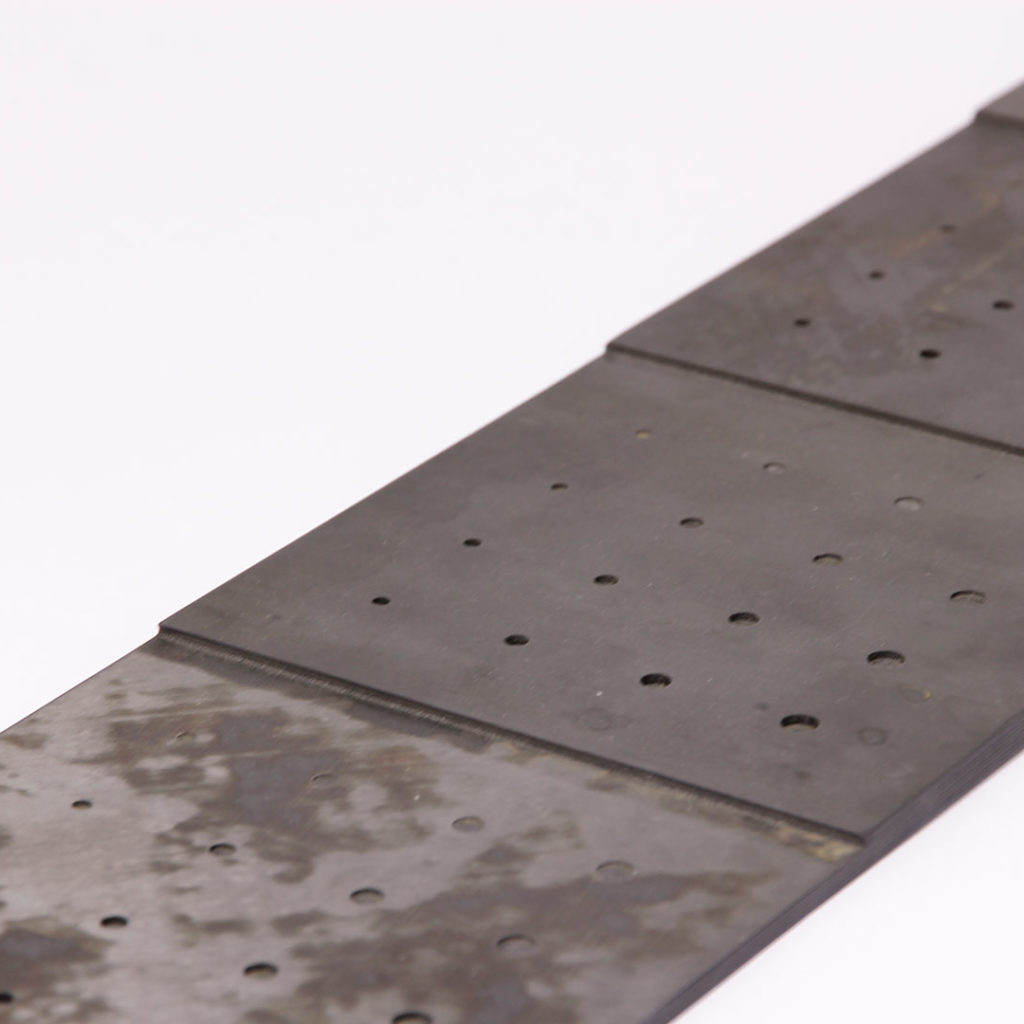
We offer the production of reference standards for example stepped wedges for the adjustment of test equipment used in non-destructive testing. Here, the requirements of the test standards as well as individual components geometry can be created. Monoliths or sandwich components with different artificial defects are produced and certified as reference standards in cooperation with test laboratories and customers.
In addition to commercial projects, INVENT is also a partner in various nationally and internationally funded research projects. As an industrial partner with a focus on process development and manufacturing, we are usually responsible for the production of test specimens as well as larger and larger demonstrator and test structures.
The core idea of all funded projects is to increase sustainability in aviation. With the development and evaluation of new manufacturing processes and the use of innovative materials, INVENT is actively involved in the design of technical solutions for future aviation.
Examples of activities in research projects are:
- Production of individual test specimens according to standards or specifications
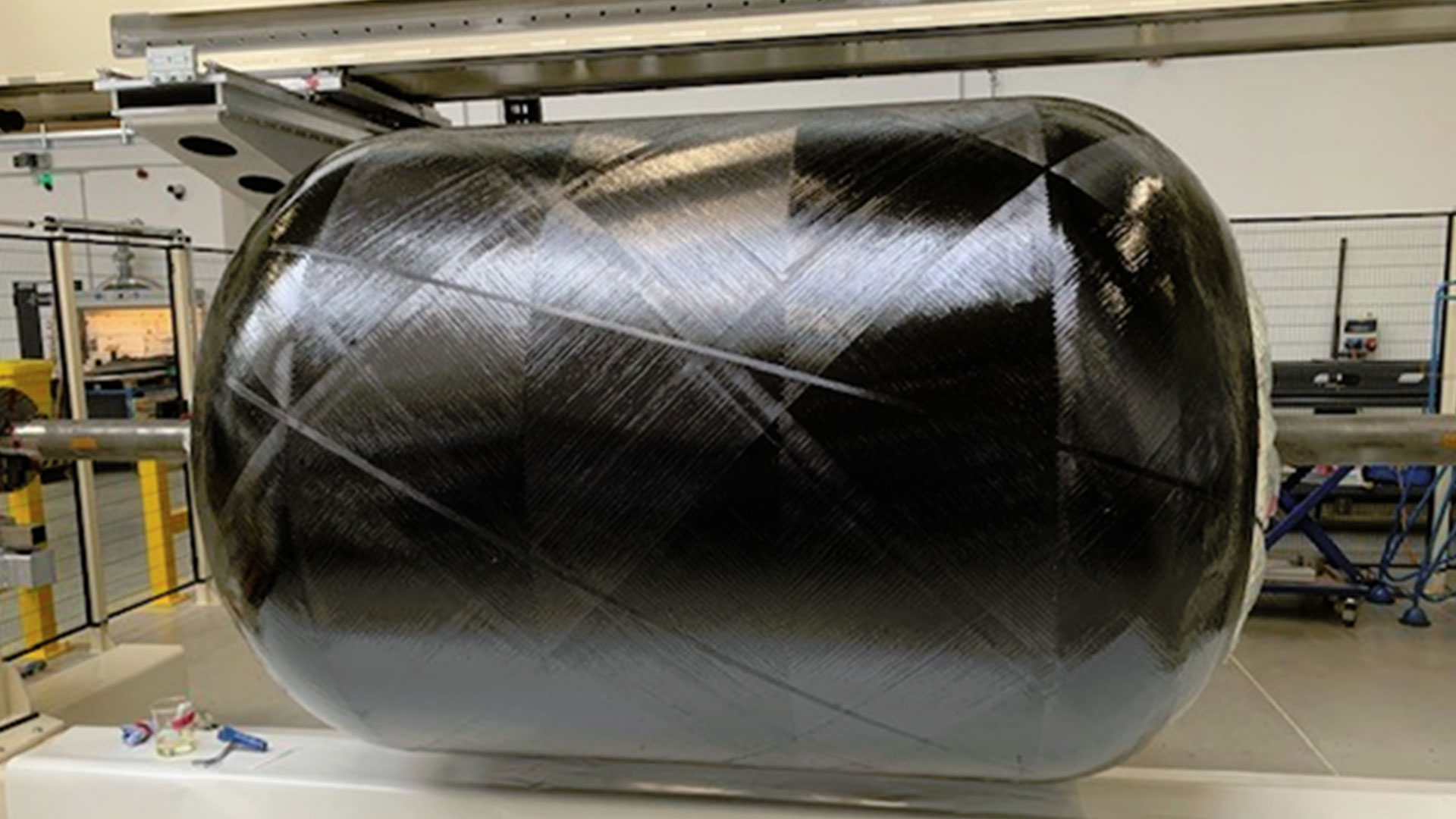
- Development and production of pressure vessels, e.g. hydrogen tanks
- Development and production of interior components from biomaterials
- development and production of self-heating tools for energy-efficient manufacturing
- Design and integration of sensor networks for structural monitoring or noise reduction
- Use of structurally integrated functional elements such as antennas
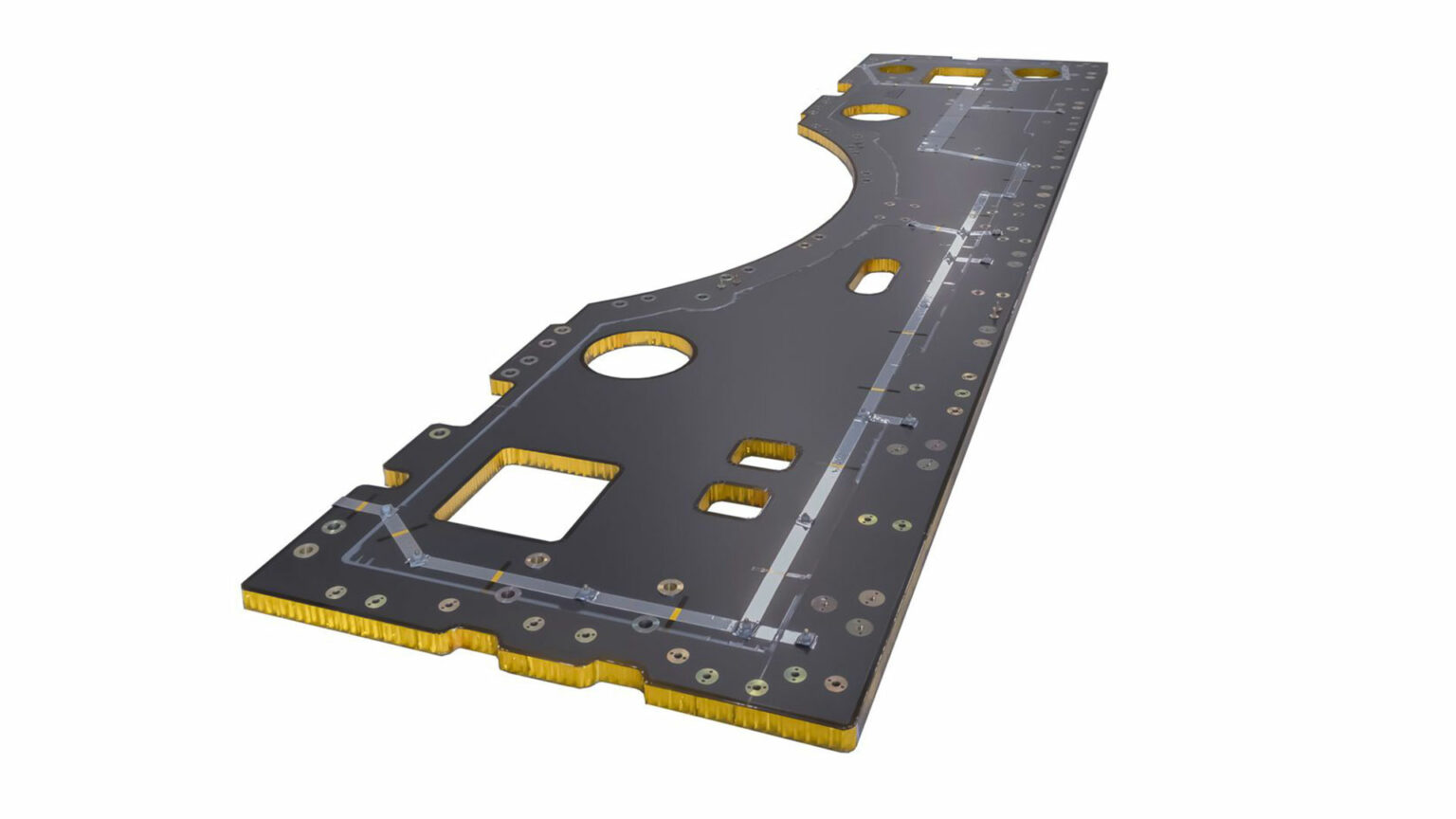
- Manufacturing of a large structural component (bulge panel, SARISTU SHM door environment)
- Development and production of a flexible wing leading edge for ground test, wind tunnel and bird strike test (SARISTU)
- Manufacture of winglet ACASIAS incl. Manufacturing and tooling concept
Prototype Development
Prototype development begins in the area of structural analysis as well as design and leads through tool development to prototype production.
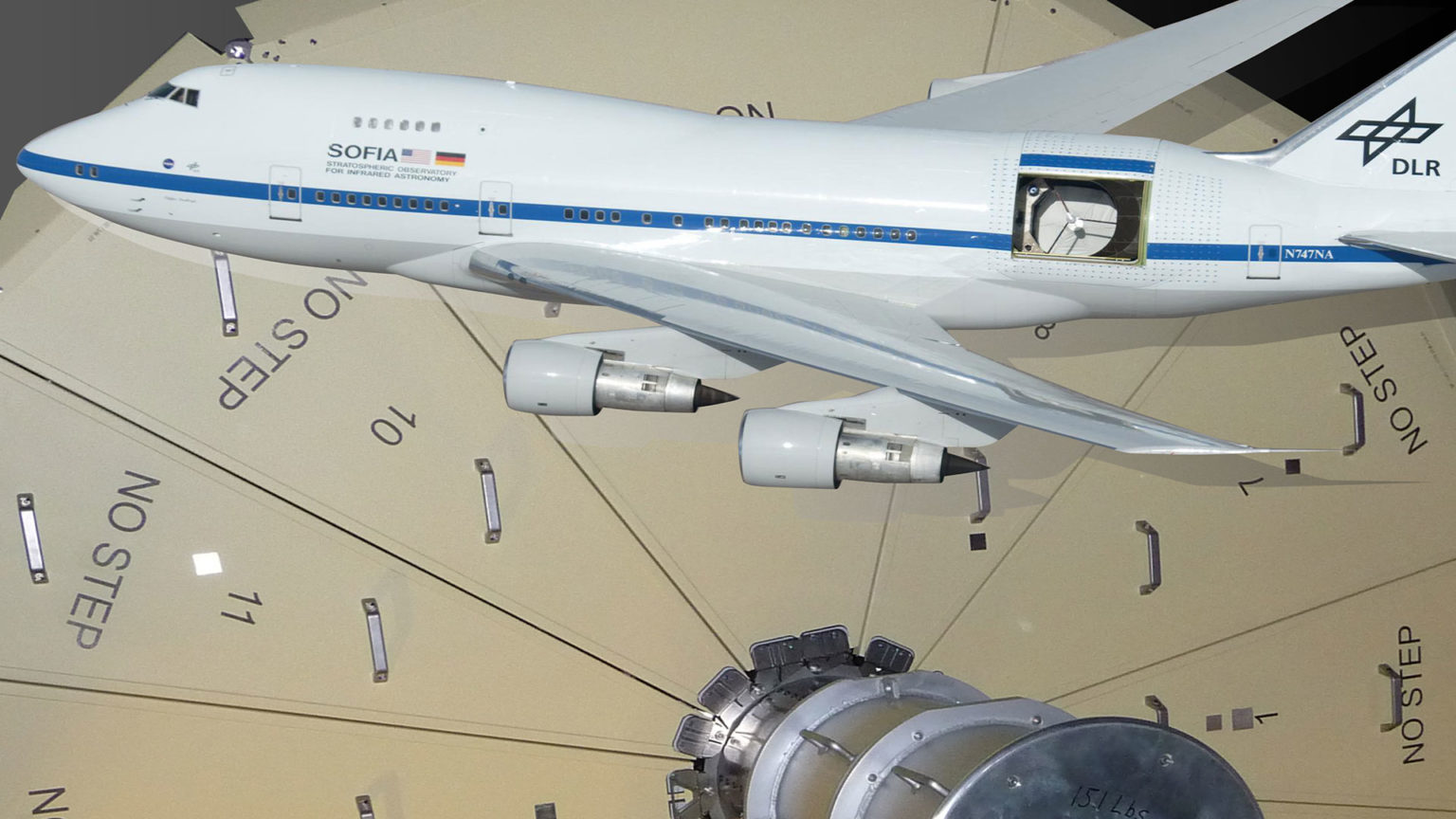
Examples include the Do728 nose gear doors, the NH90 skis and the sun cover of the SOFIA telescope.
At the customer’s request, we continue these developments into a qualification programme for the manufacturing process and components, including first article inspection and release as flight hardware for series production.
References:
- NH90 Skiset
- NLG-Door Do728
- SOFIA telescopic sunshade
- Noseboom
Customer-Specific Components
Fibre composites are indispensable in aircraft and lightweight construction. They can be used to realise desired stiffness, strength and extraordinary corrosion resistance while keeping the weight low.
The almost unlimited shaping possibilities in combination with the functional integration of systems such as antennas also offer special potential.
At the request of our customers, individual components are developed from fibre composites. The choice of materials for the composites used is strictly in accordance with the specifications of the aircraft manufacturers. Only approved materials are used, and no further material qualification is required.
The focus is on aircraft and helicopters that are individually converted. Our portfolio ranges from the production of housings for cameras and antennas to external load bodies such as tanks or pods.
The design, including layout and strength verification, through tool development to the manufacture and assembly of the components along the value chain is carried out in-house. We are also available for adaptation to the structure of the aircraft.
This is done by recording the geometry in the connection area of the already existing aircraft structure for tool production or by subsequent adaptation work of the components on site.
References:
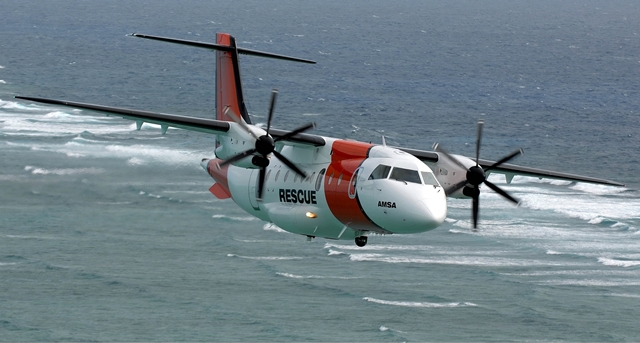
- Australian Maritime Safety Authority Dornier 328-120
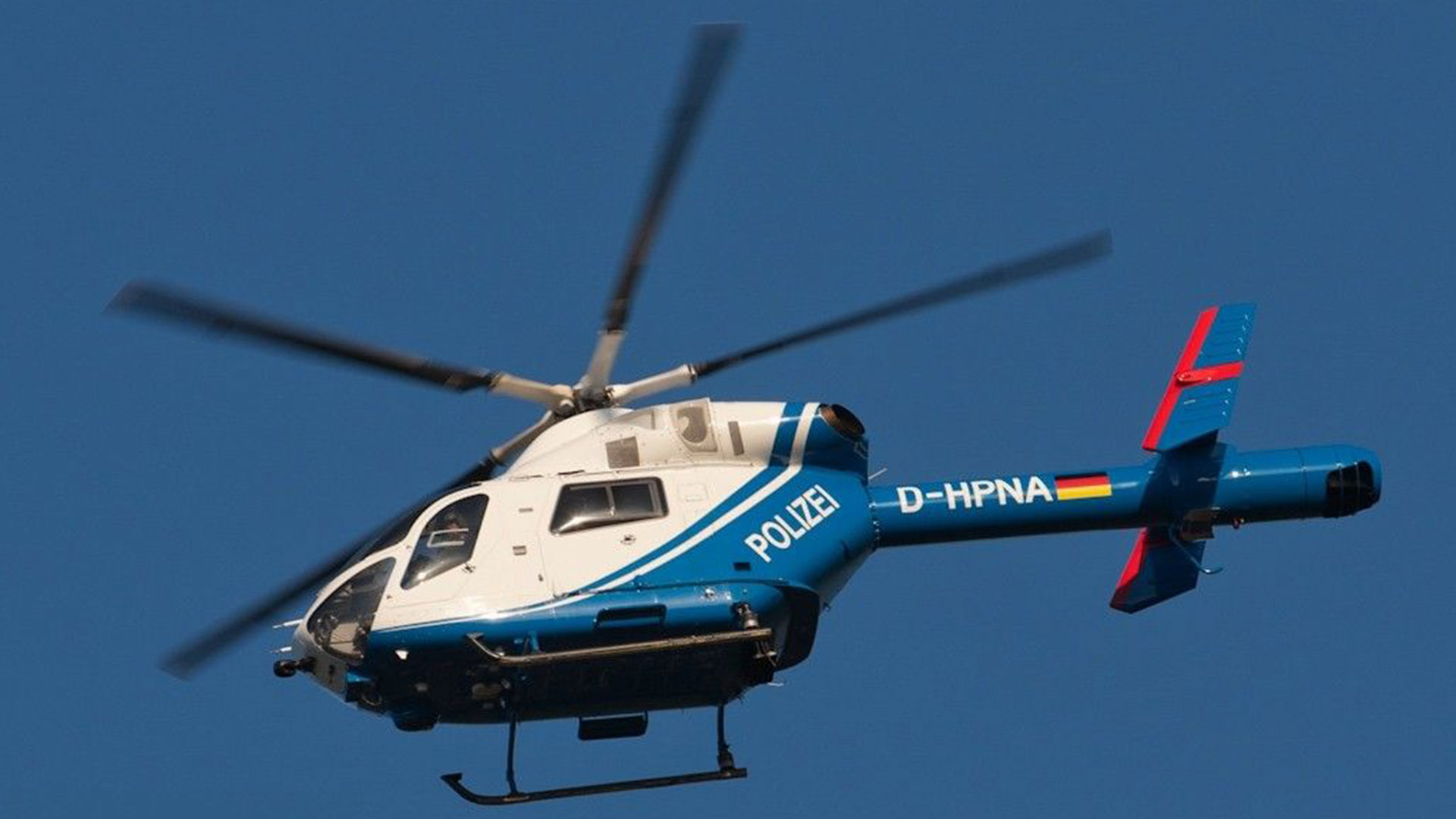
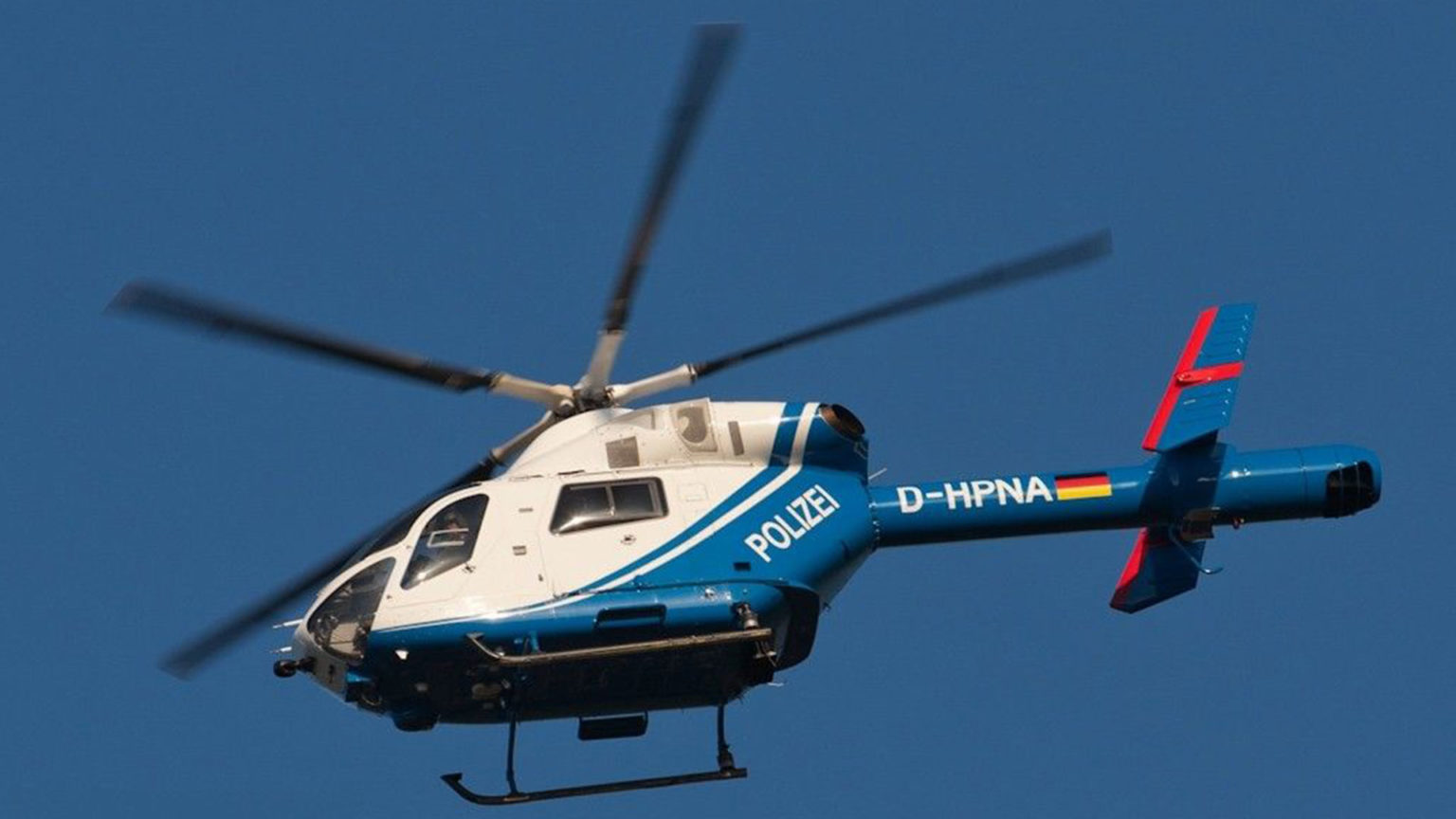
- MD 902 for Police Helicopter Squad in Lower Saxony
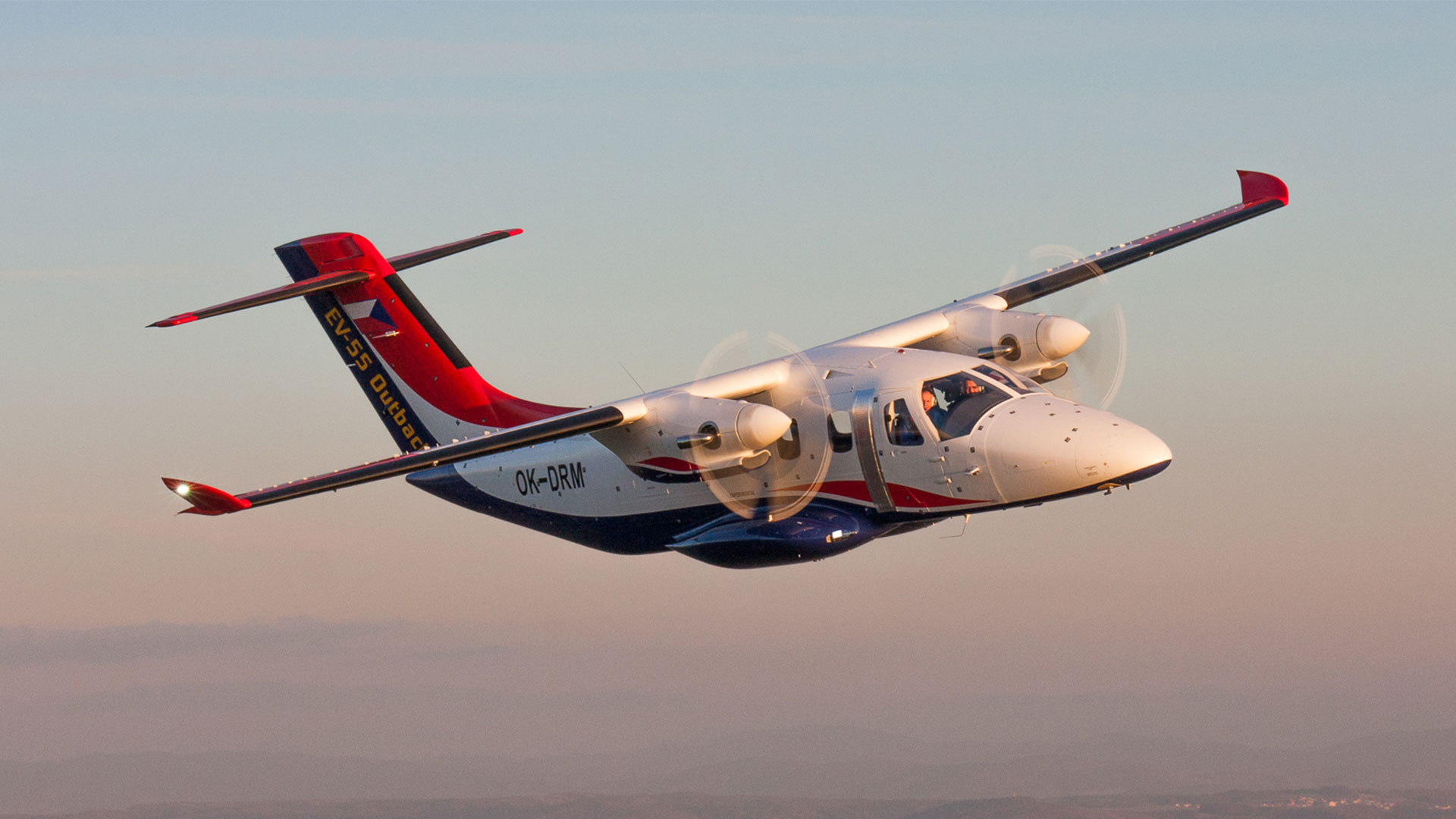
- EV55 Winglet winth integrated VHF Antenna (ACASIAS)
Nosebooms
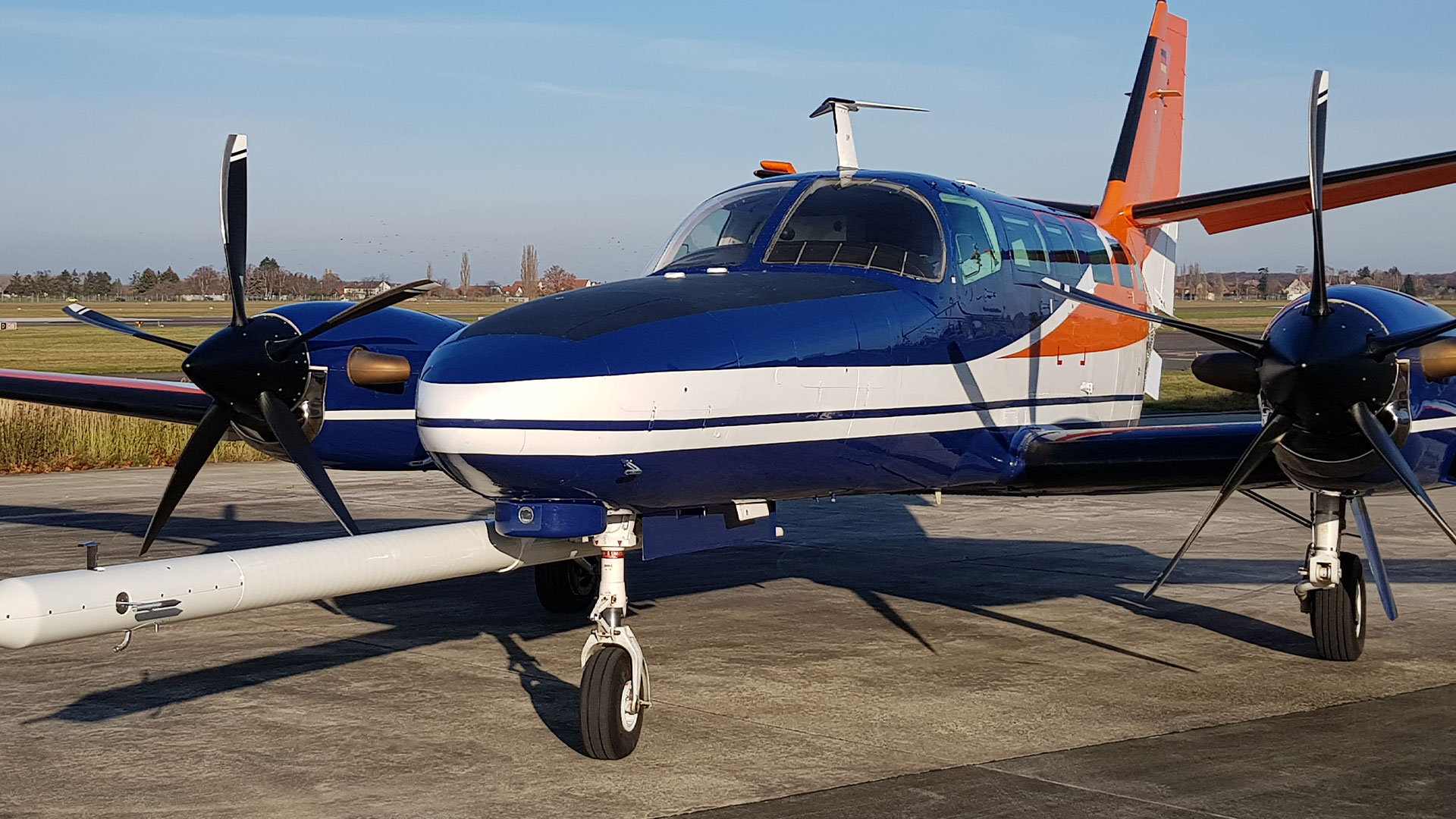
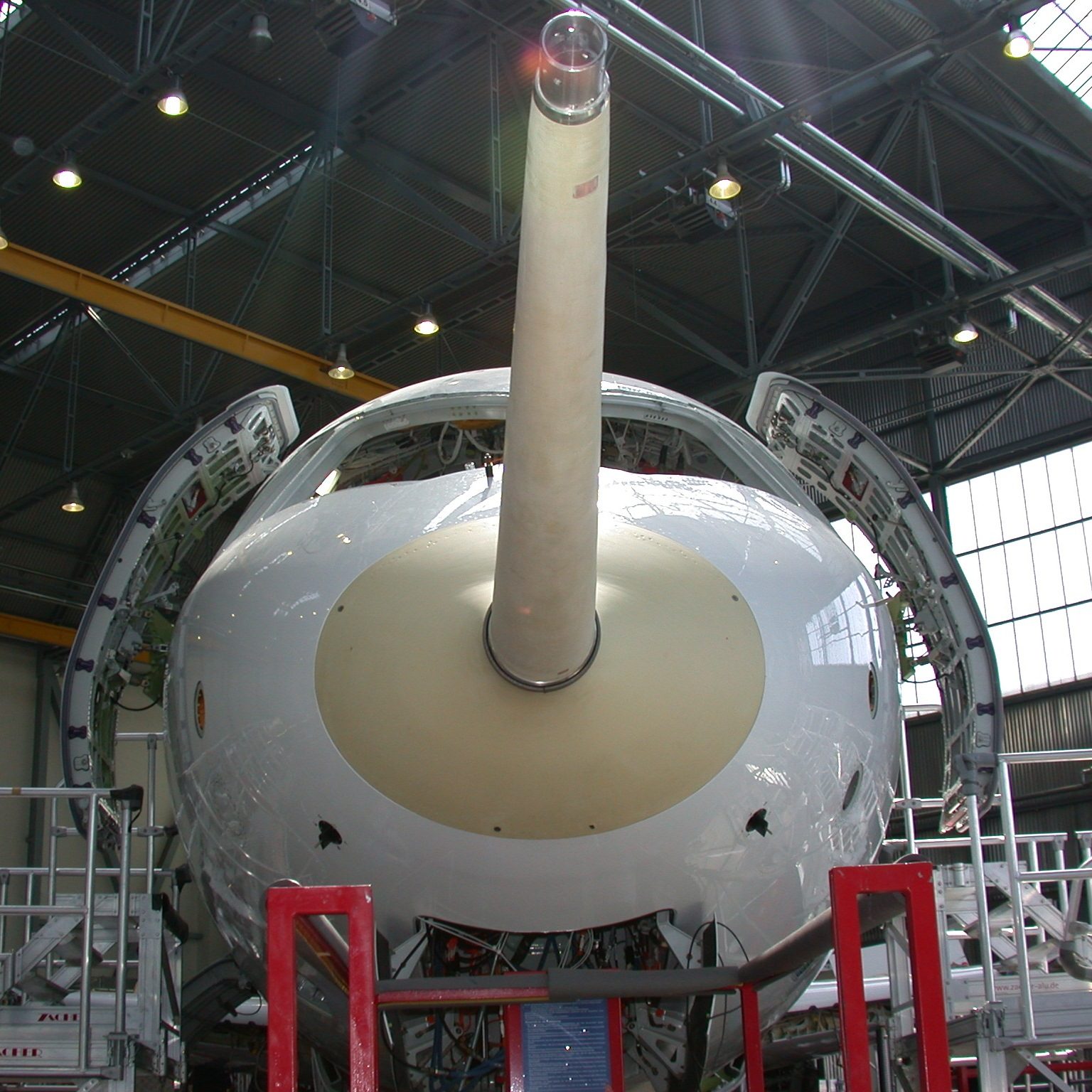
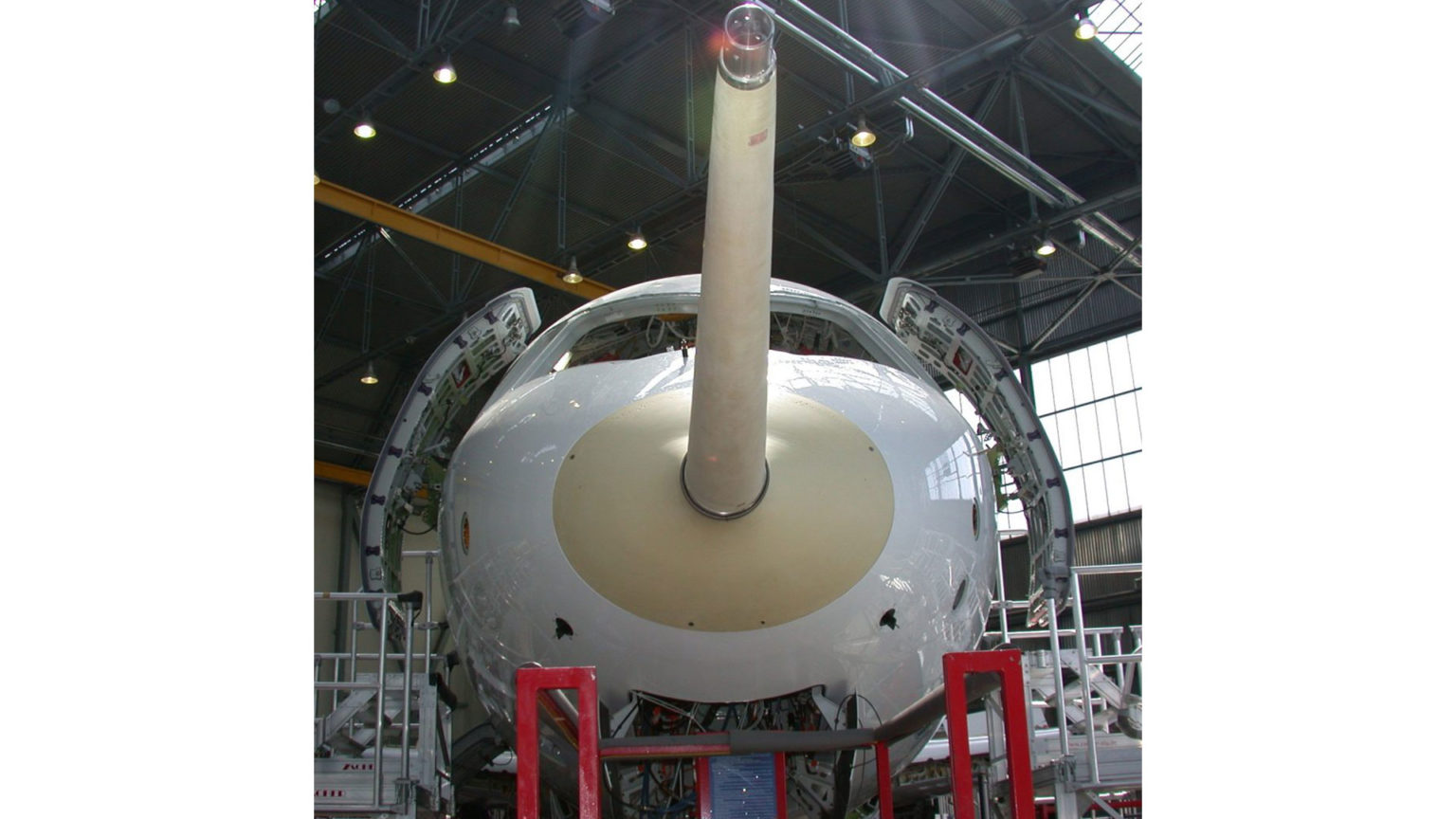
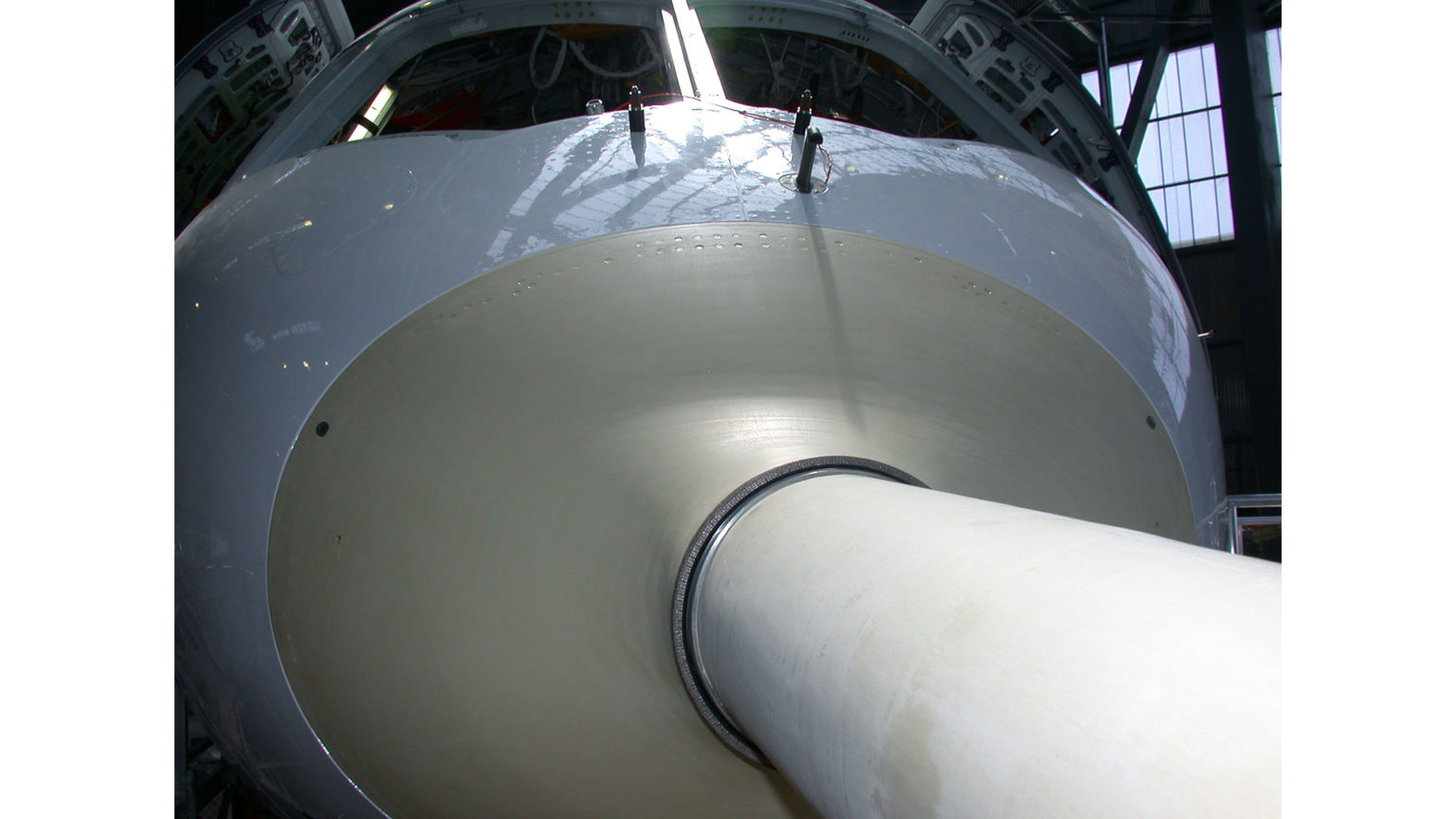
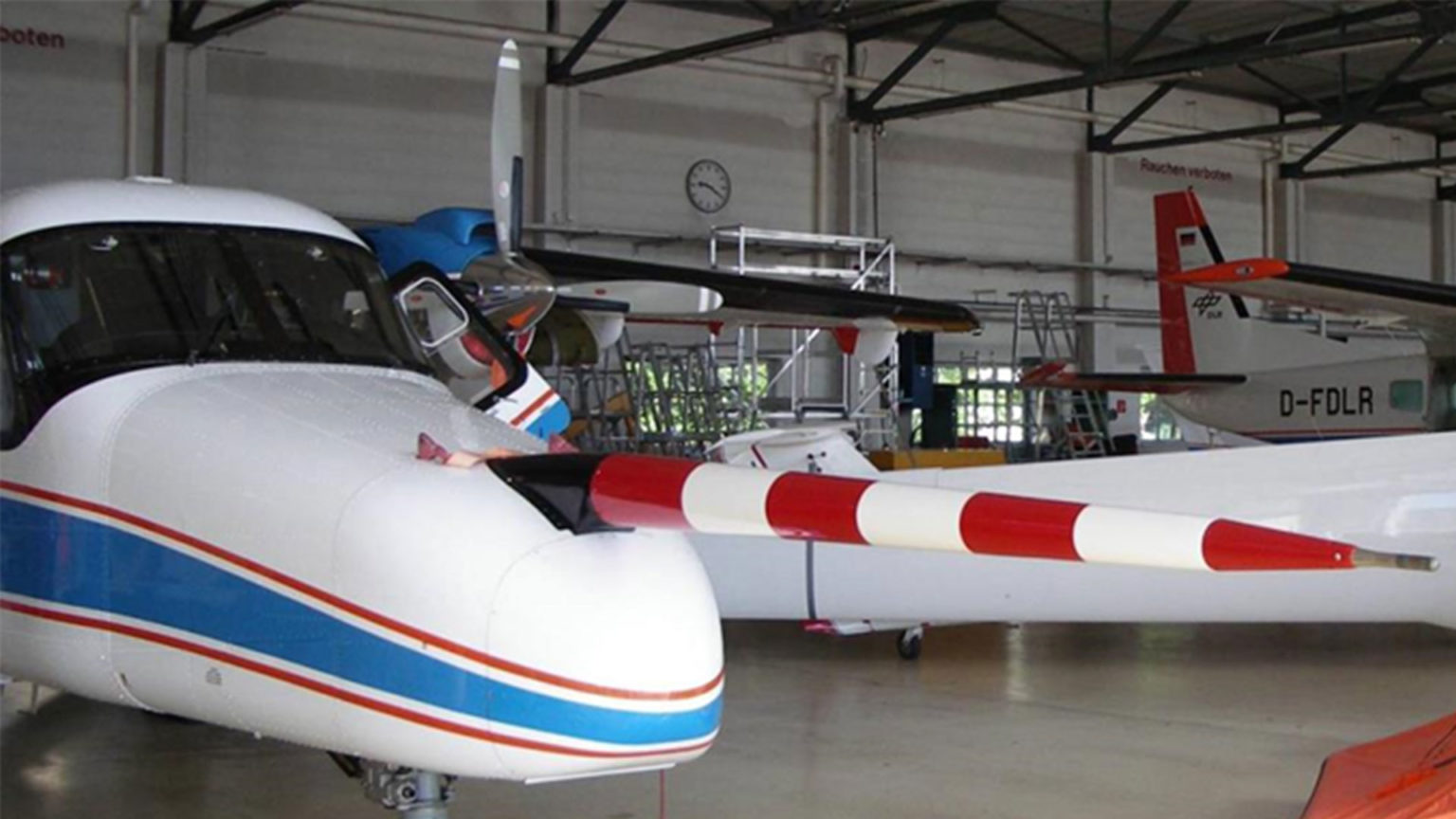
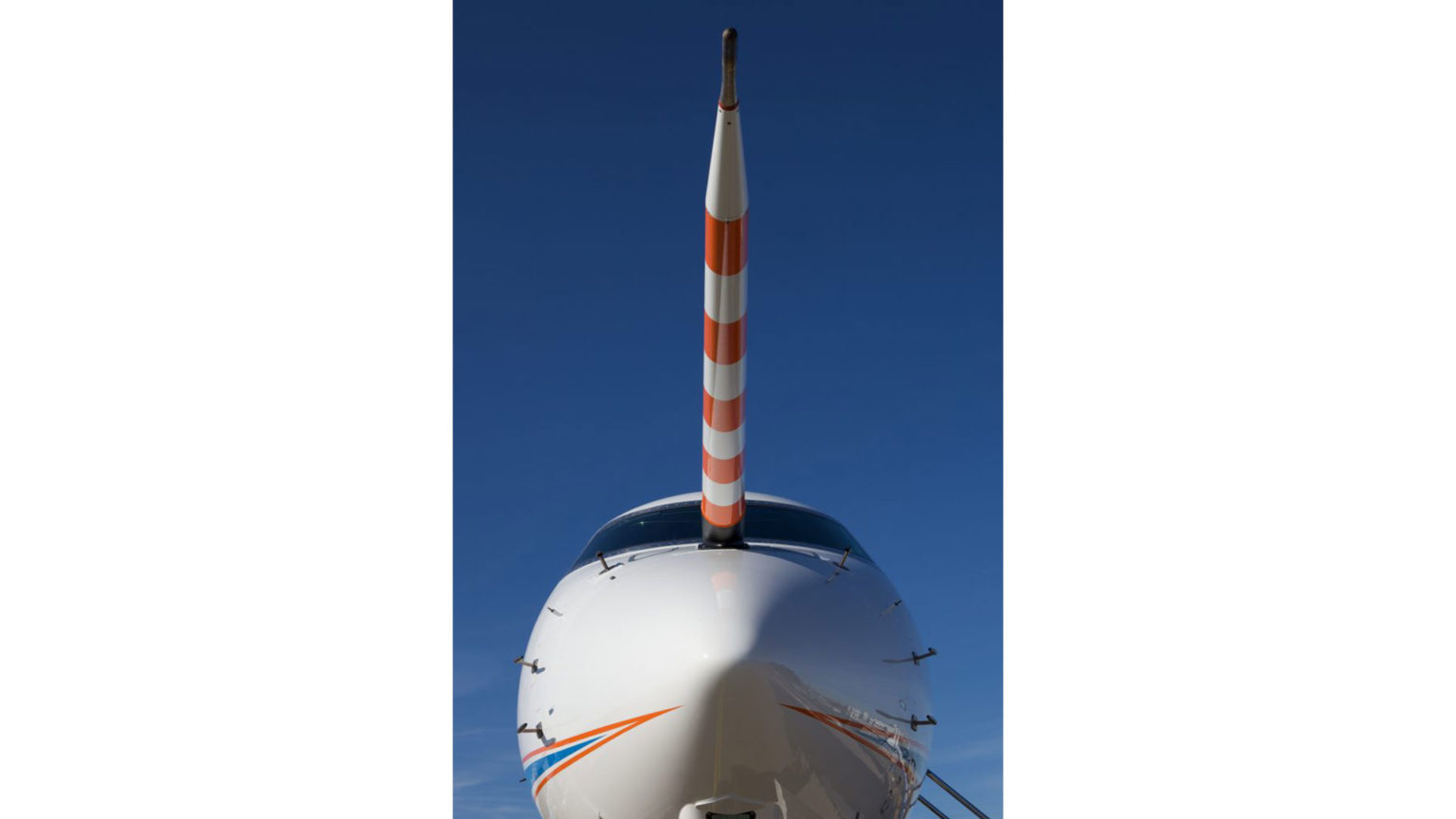
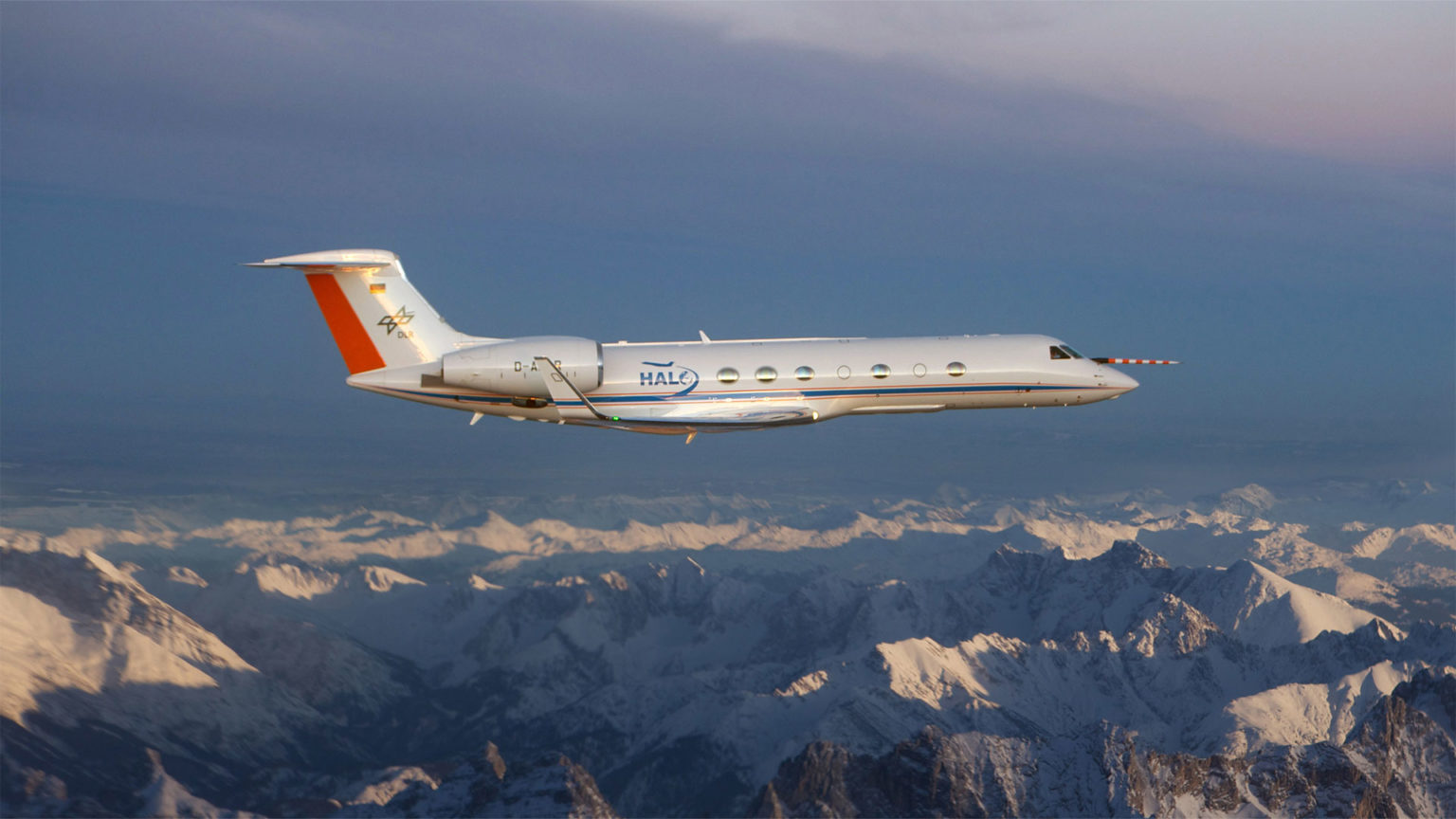
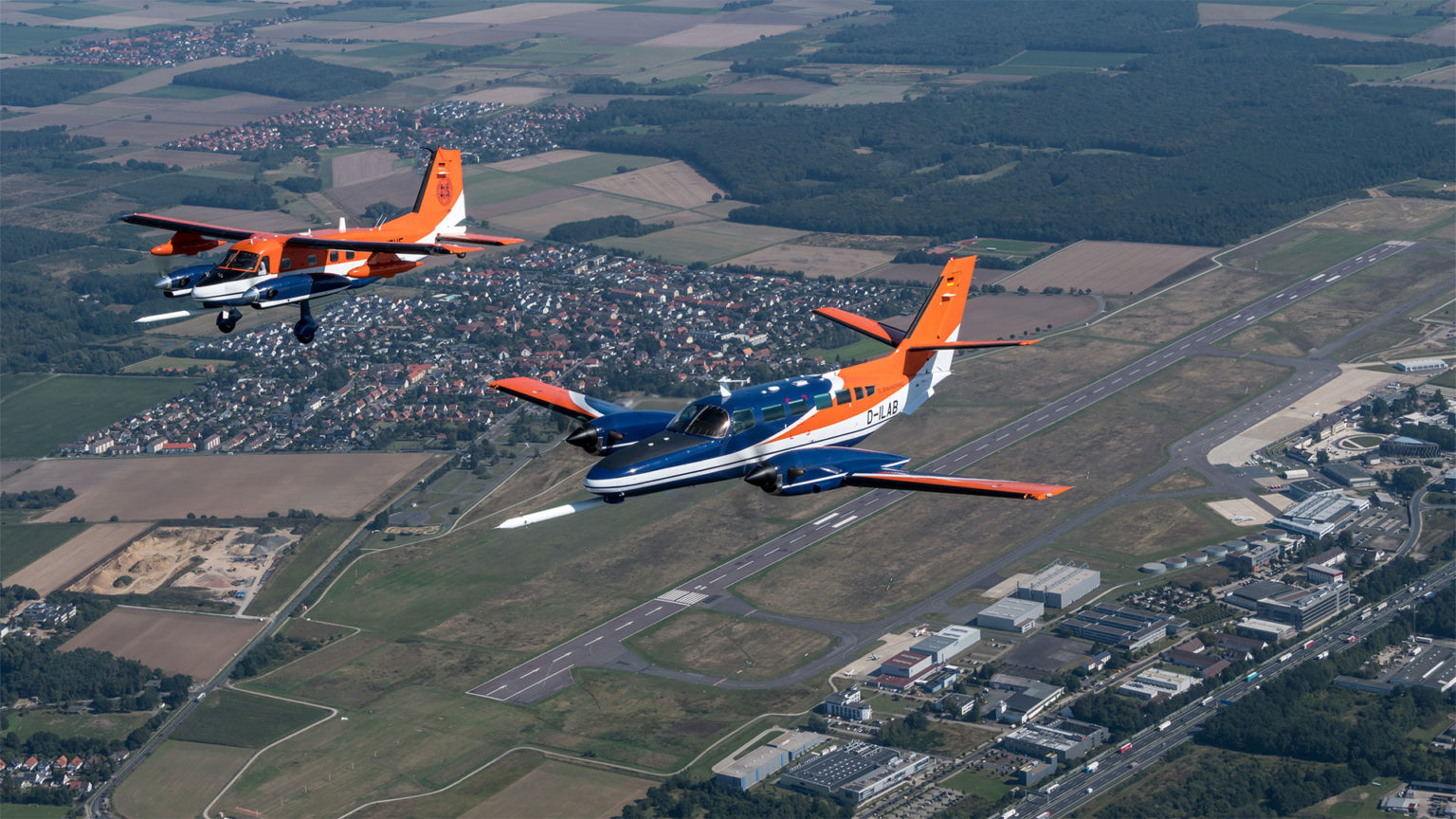
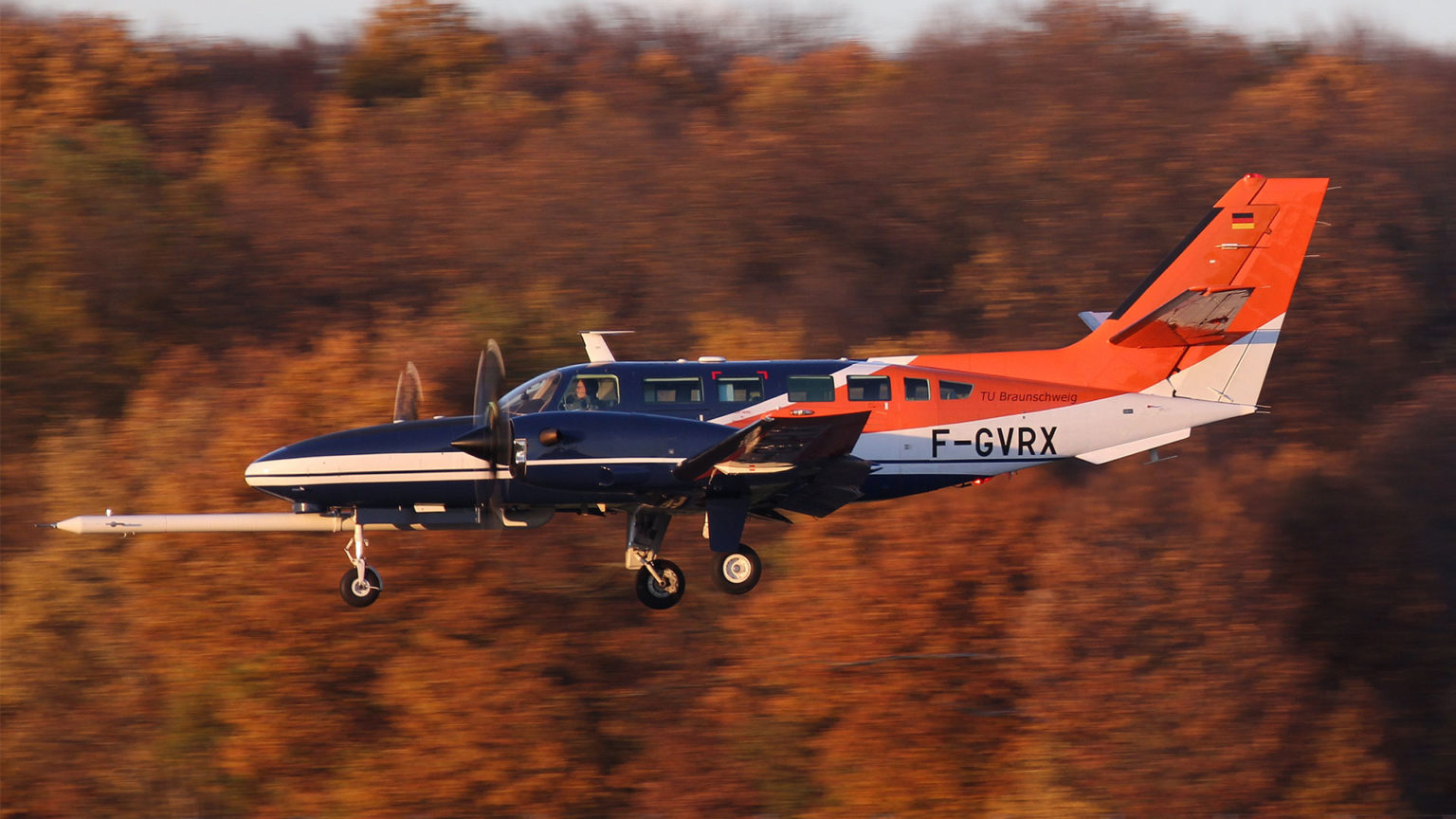
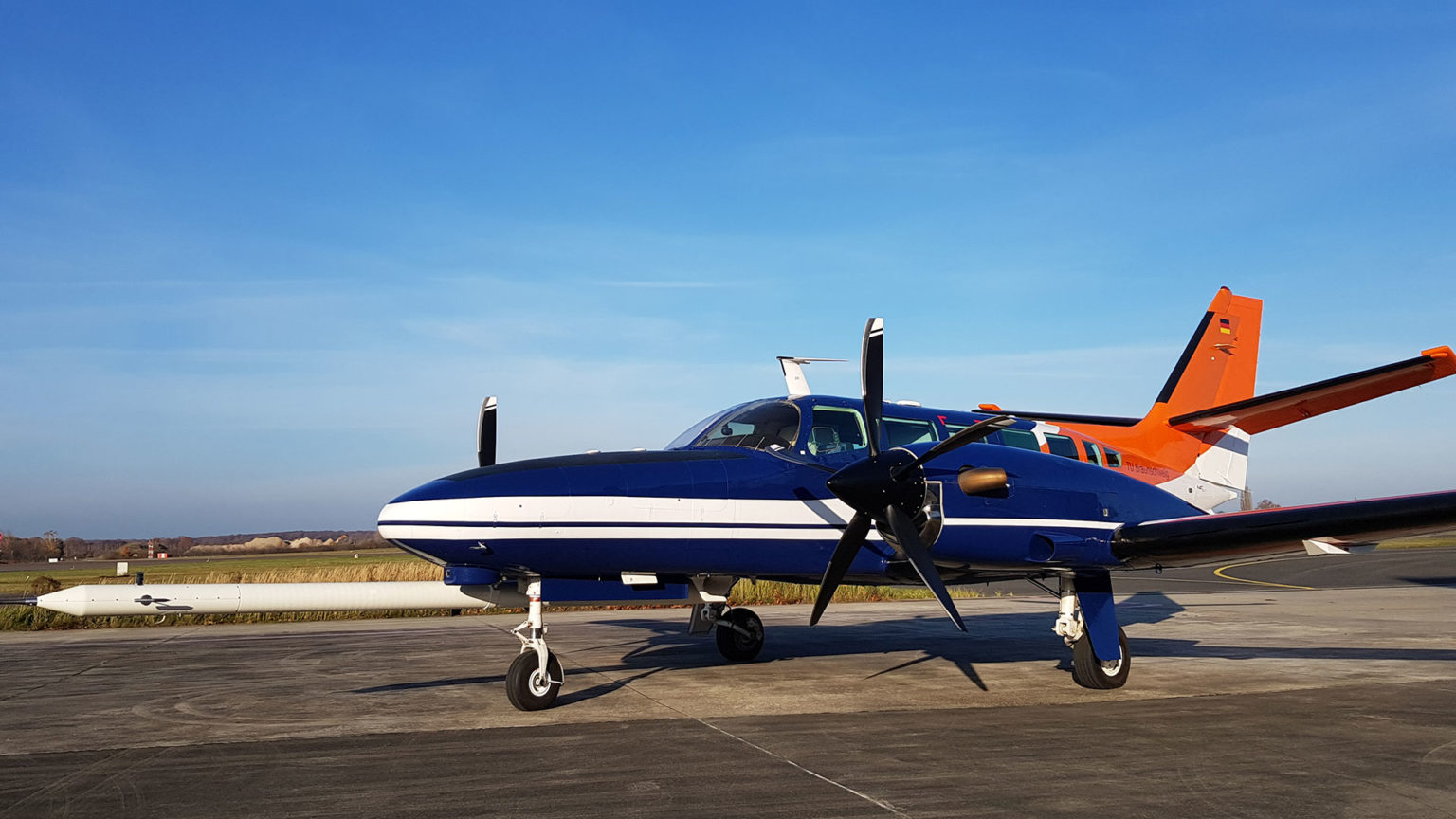
Since its involvement in the ambitious Do 728 project, INVENT has been an experienced partner in the development and manufacture of so-called nosebooms for equipping prototypes and research aircrafts.
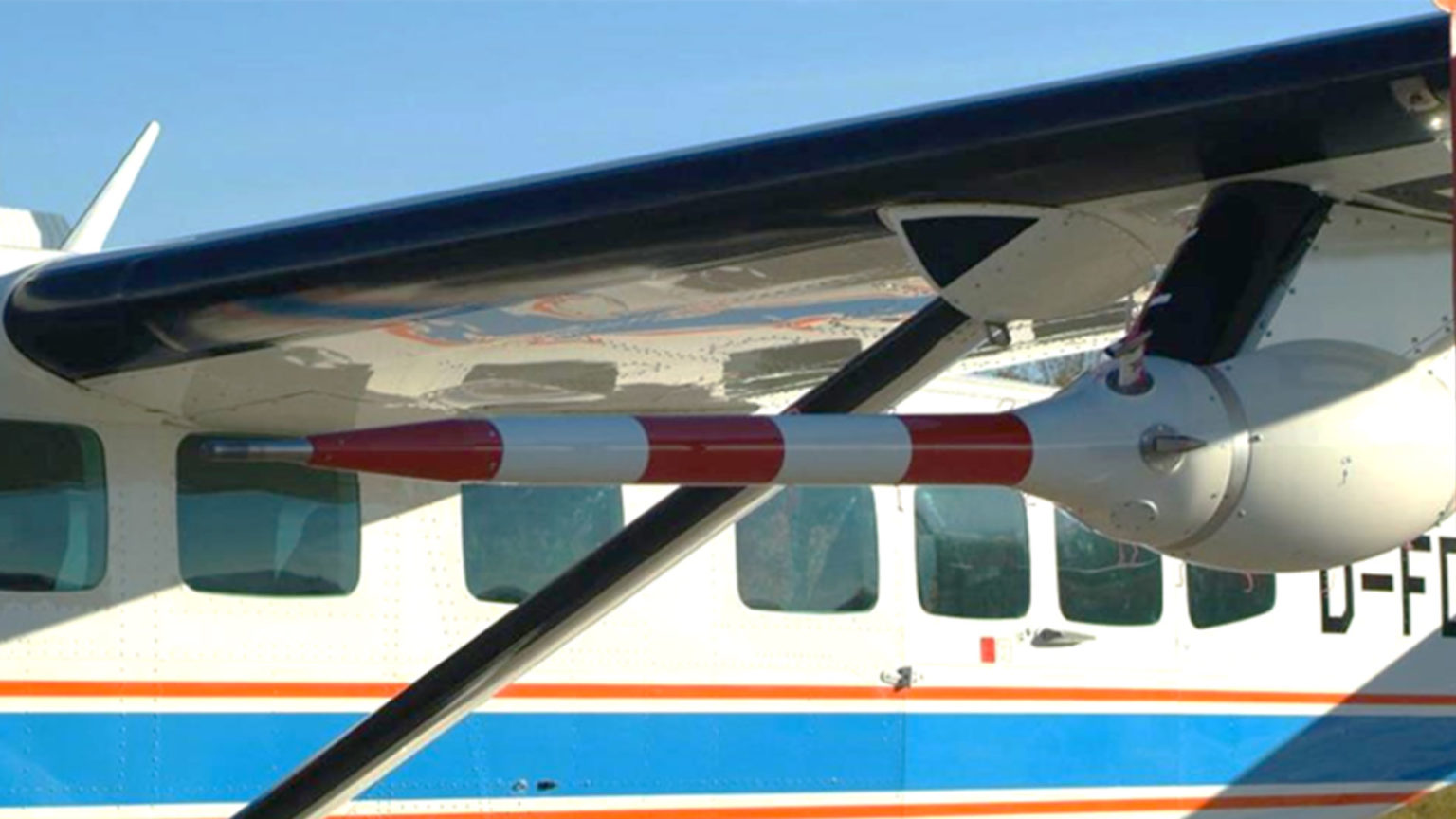
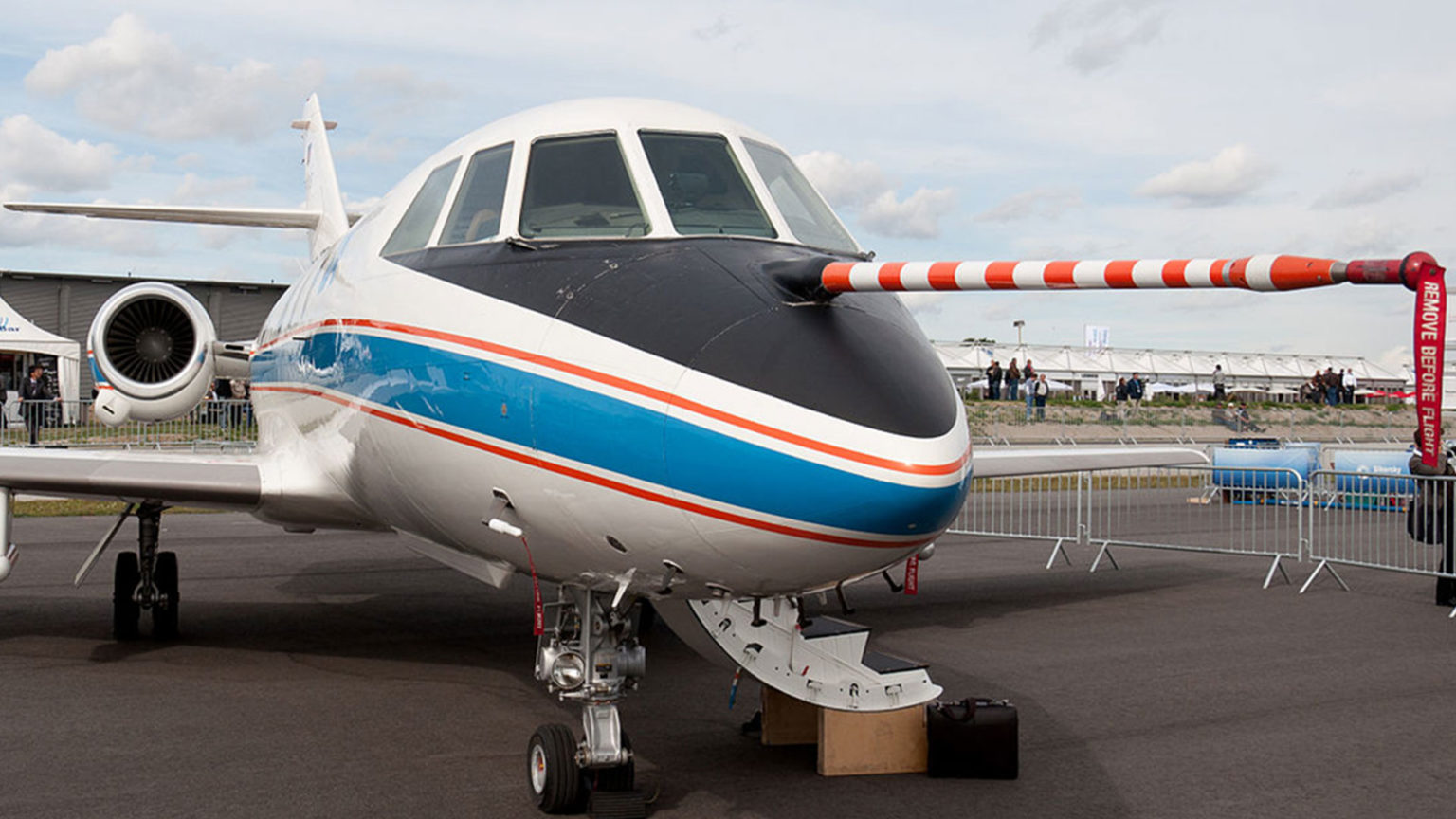
Today, many nosebooms individually developed by INVENT can be found in regular flight operations. The parts serve as booms for a probe equipped with measurement technology. The various measuring sensors are thus positioned outside the flow area influenced by the aircraft and, depending on the equipment, record e.g. the inflow direction and velocity, temperature and pressure.
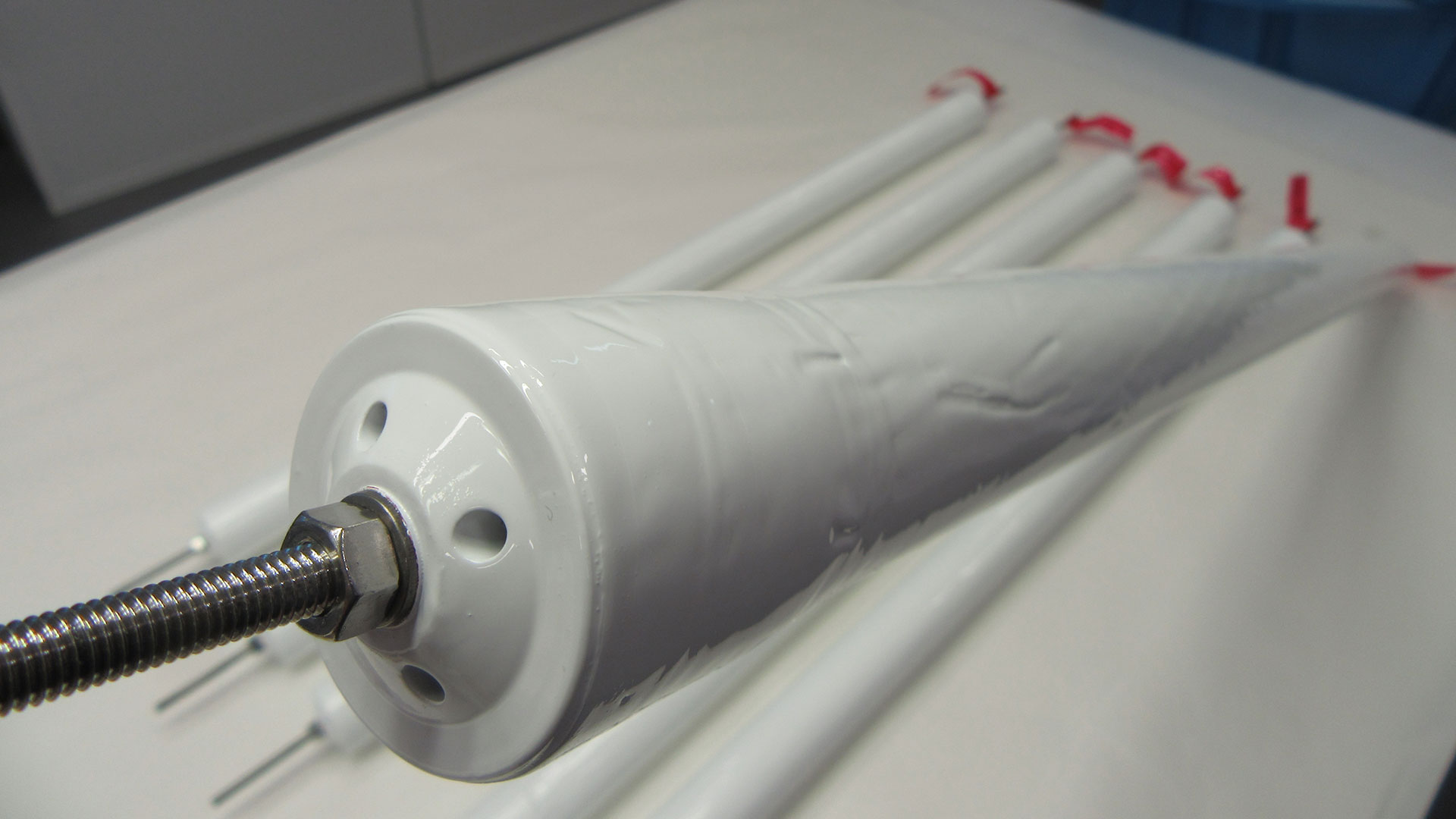
The booms themselves are usually manufactured in a winding process. The design is based on customised specifications that depend on both the aircraft and the application.
In addition to the functional design, a strength analysis including verification is also carried out. After production of the boom, additional attachments and the measuring head, the necessary adaptation work is carried out on the aircraft.
Painting according to the customer’s specifications rounds off the in-house package and ensures protection against UV and erosion influences in addition to visual perceptibility on the ground.
References:
- Do 228
- Do 728
- Cessna C208B
- Cessna F406
- Gulfstream G550
- Dassault Falcon
Wind Tunnel Models
The performance of wind tunnel tests for the validation of simulation results and as proof for subsequent flight tests still play an important role today. A decisive factor for the successful implementation of such a test is the geometric and structural properties of the wind tunnel model under the test-specific boundary conditions.
Through its participation in various national and international research projects, INVENT has extensive experience, particularly in the production of angular wind tunnel models made of fibre composites.
The services offered include:
- Design, layout and strength verification, vibration analysis
- Tool development (aluminium or CFRP tools)
- Machining / mould design
- Production of GFRP / CFRP individual parts / components with resin injection, infusion technology or prepreg / autoclave technology
- Assembly incl. geometry monitoring, structural joining by bonding, riveting, screwing
- Instrumentation, integration of optical markers, sensors and pressure measuring points
- Surface finishing / painting / coating
- Instrumentation, integration of optical markers, sensors and pressure measuring points
- On-site support for installation, commissioning and testing
References:
- SARISTU
- GRETEL
- AFLONEXT
- TOpWind
Flying and Ballooning Telescopes
Precise CFRP structural components are required for the implementation of flying and balooning telescopes. These consist, for example, of sandwich panels, winding struts or CFRP/GFRP structures including mountings such as metallic inserts and end fittings.
Due to the low thermal expansion properties of CFRP, the material is particularly suitable for the exact alignment of telescopes by dimensionally stable positioning systems in fluctuating ambient temperatures.
The services INVENT offers here are:
- Material procurement
- individual in-house production of sandwich structures: CFRP or GFRP facesheets, various honeycomb geometries and materials
- Monolithic fibre composite components
- CFRP and GFRP struts with and without metal fittings
- Structure assembly, alignment and inspection
- Joining techniques as adhesive bonding, screwing, riveting
- surface coating and painting
References:
- SOFIA
- SUNRISE I
- SUNRISE II
- SUNRISE III
SOFIA
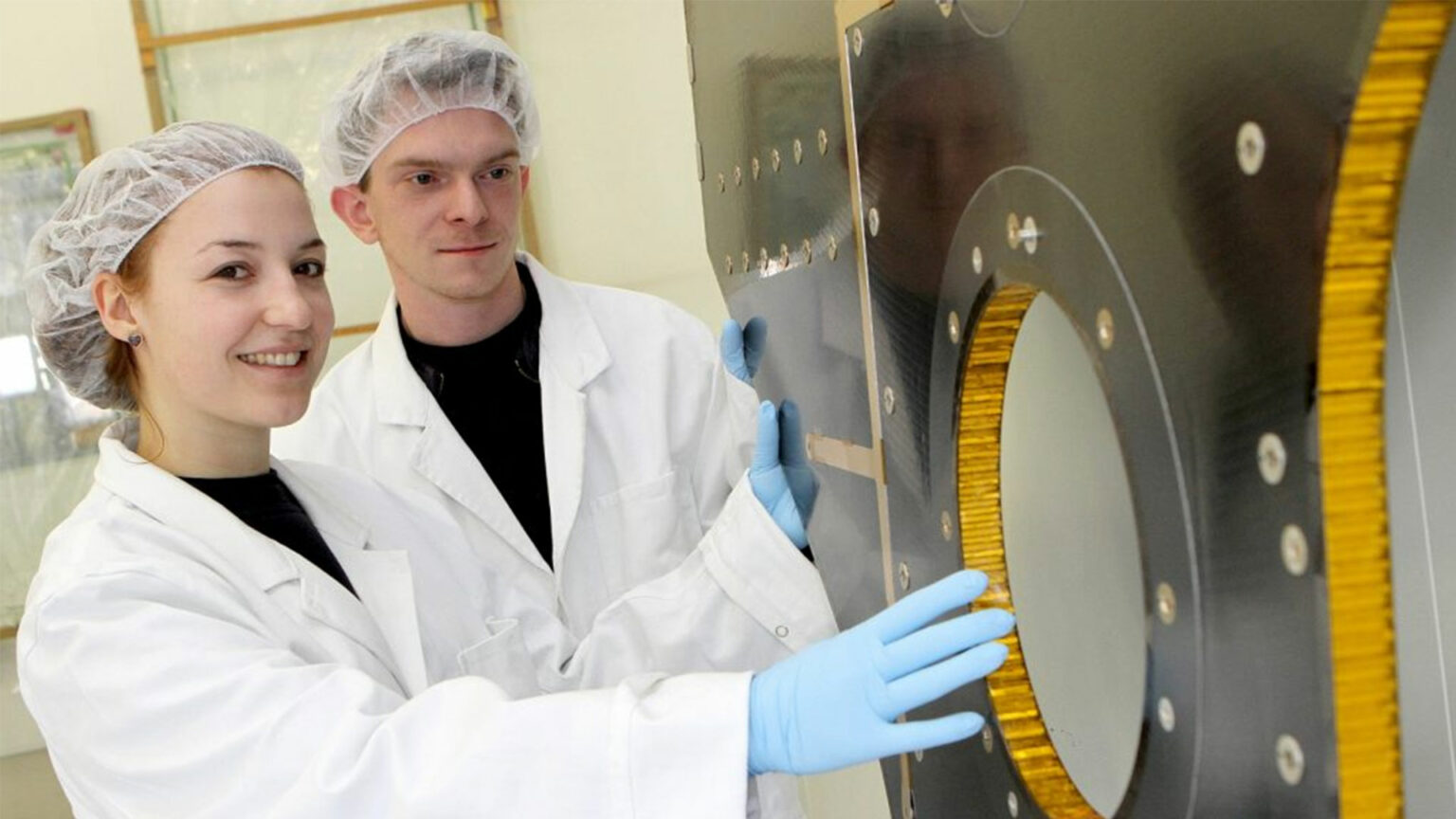
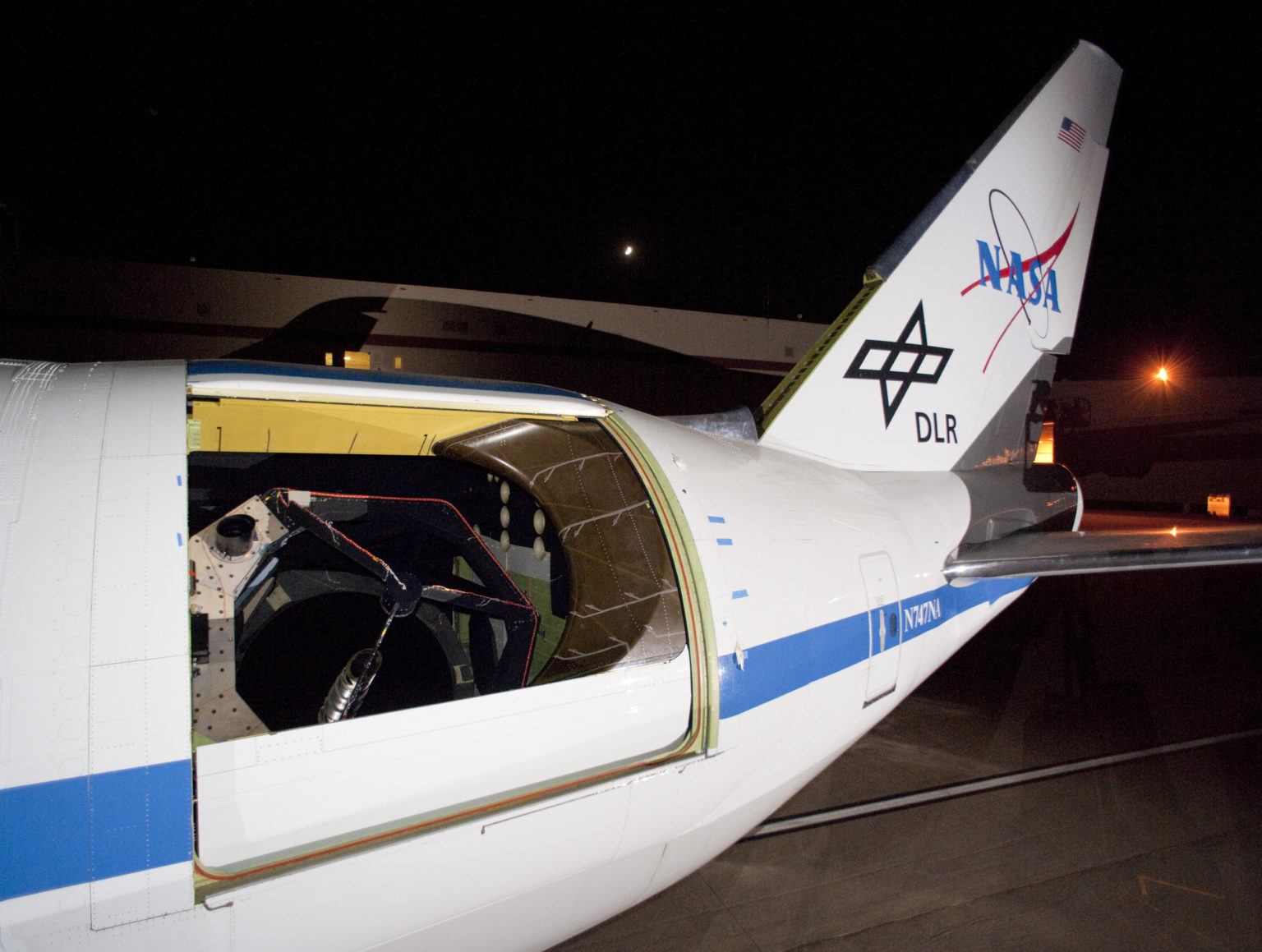
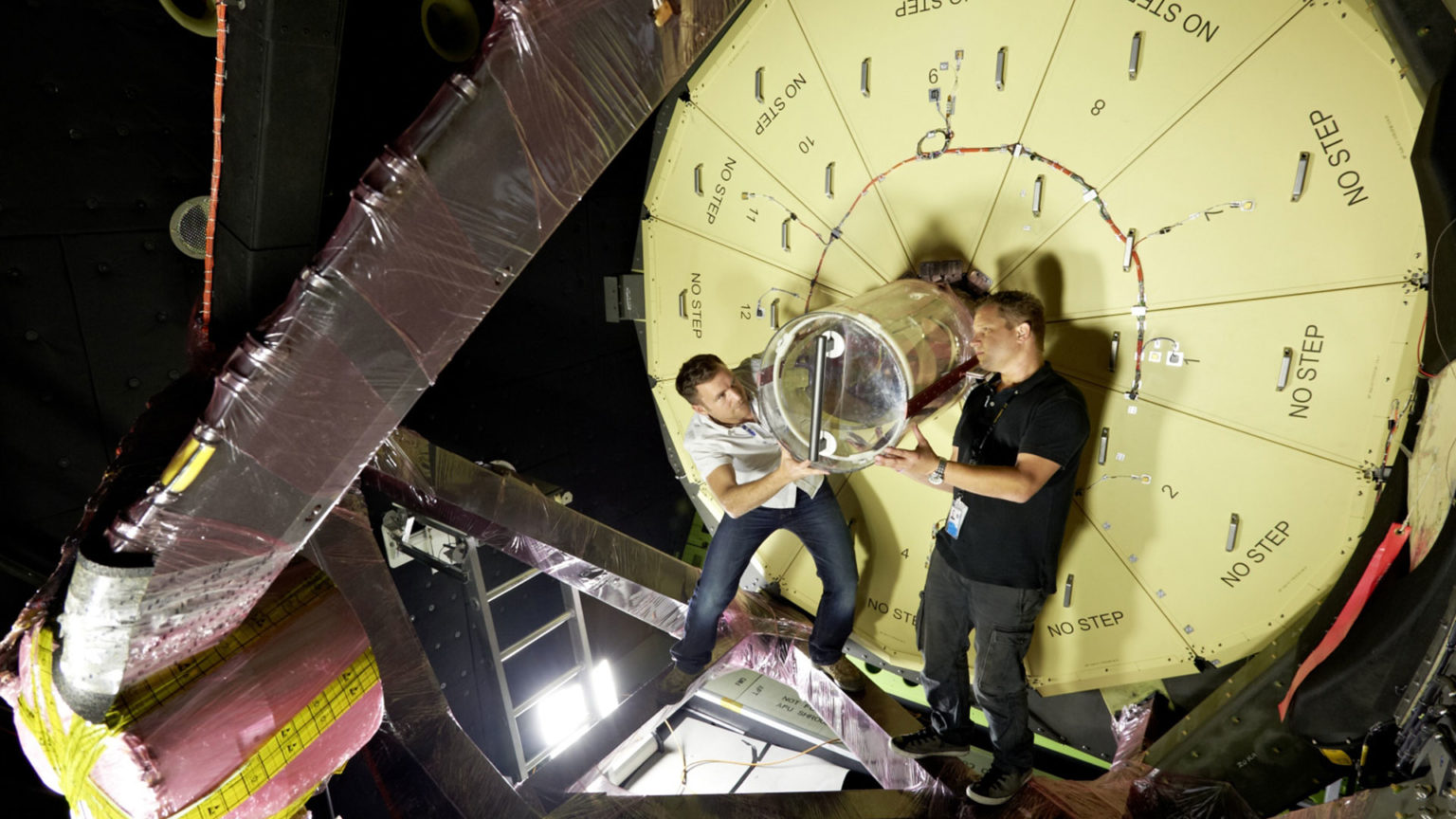
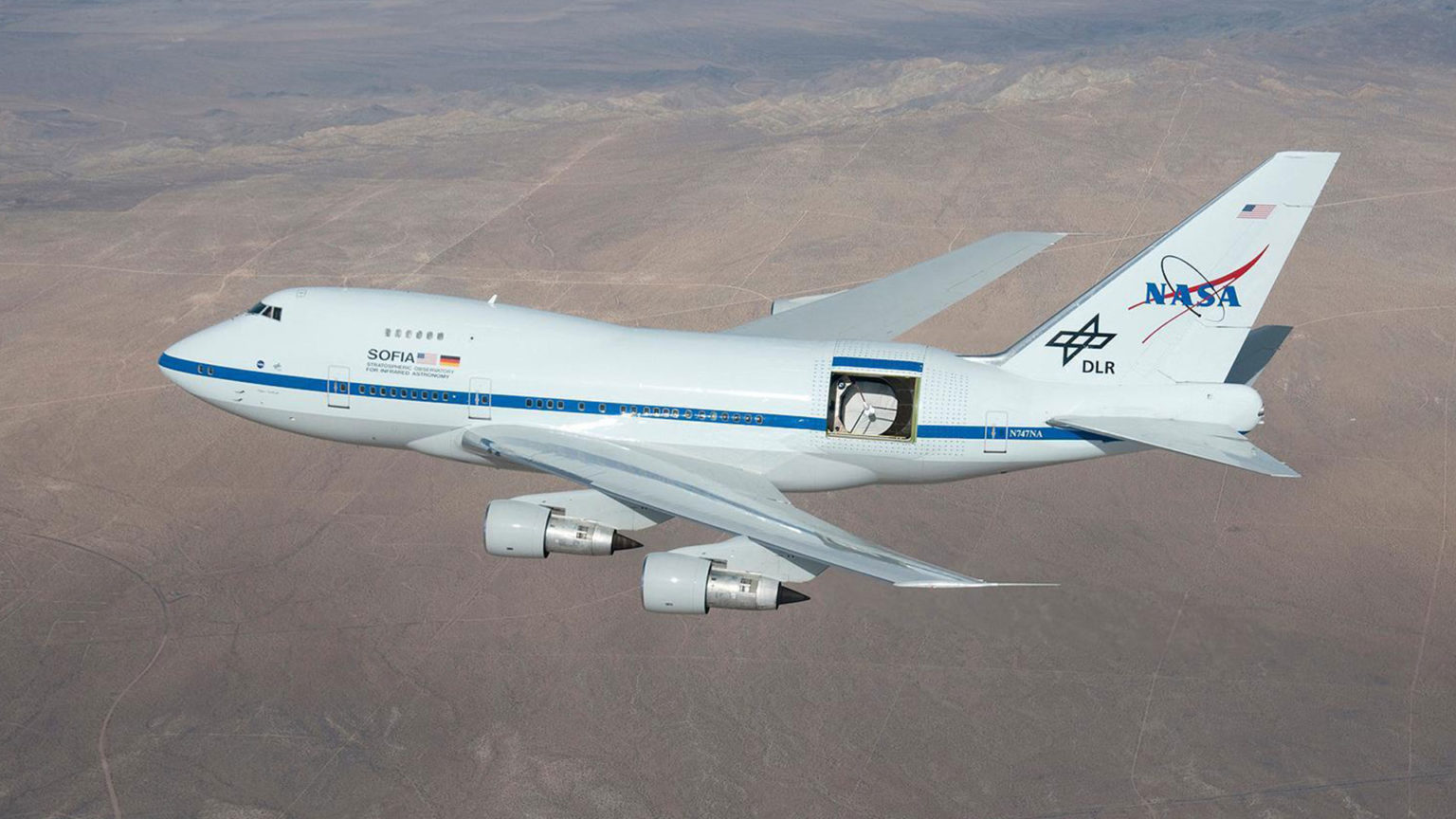
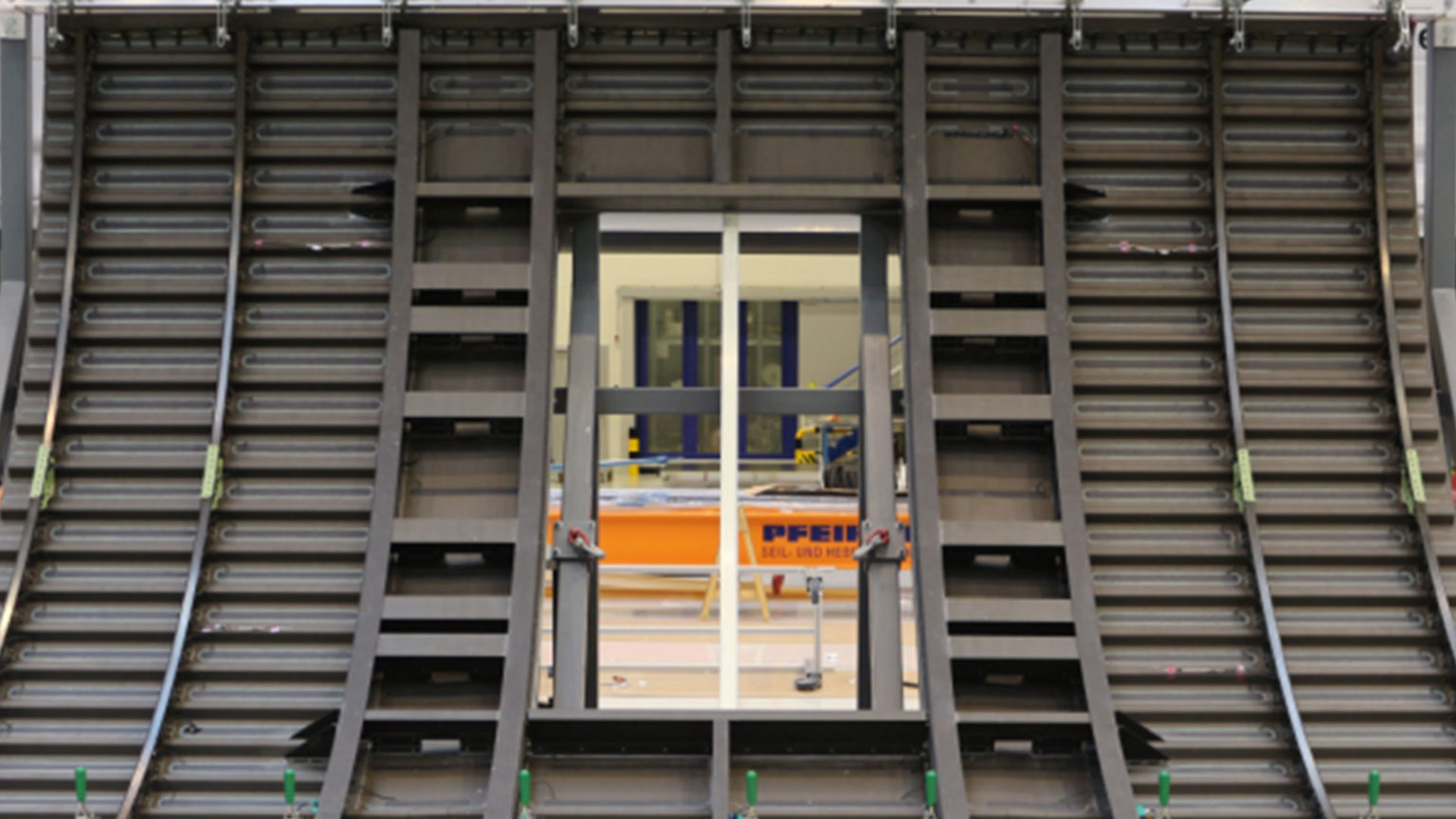
12 individual CFRP sandwich panels with a total area of 8.8 sqm from our production serve as solar protection for the primary mirror of the telescope on board SOFIA.
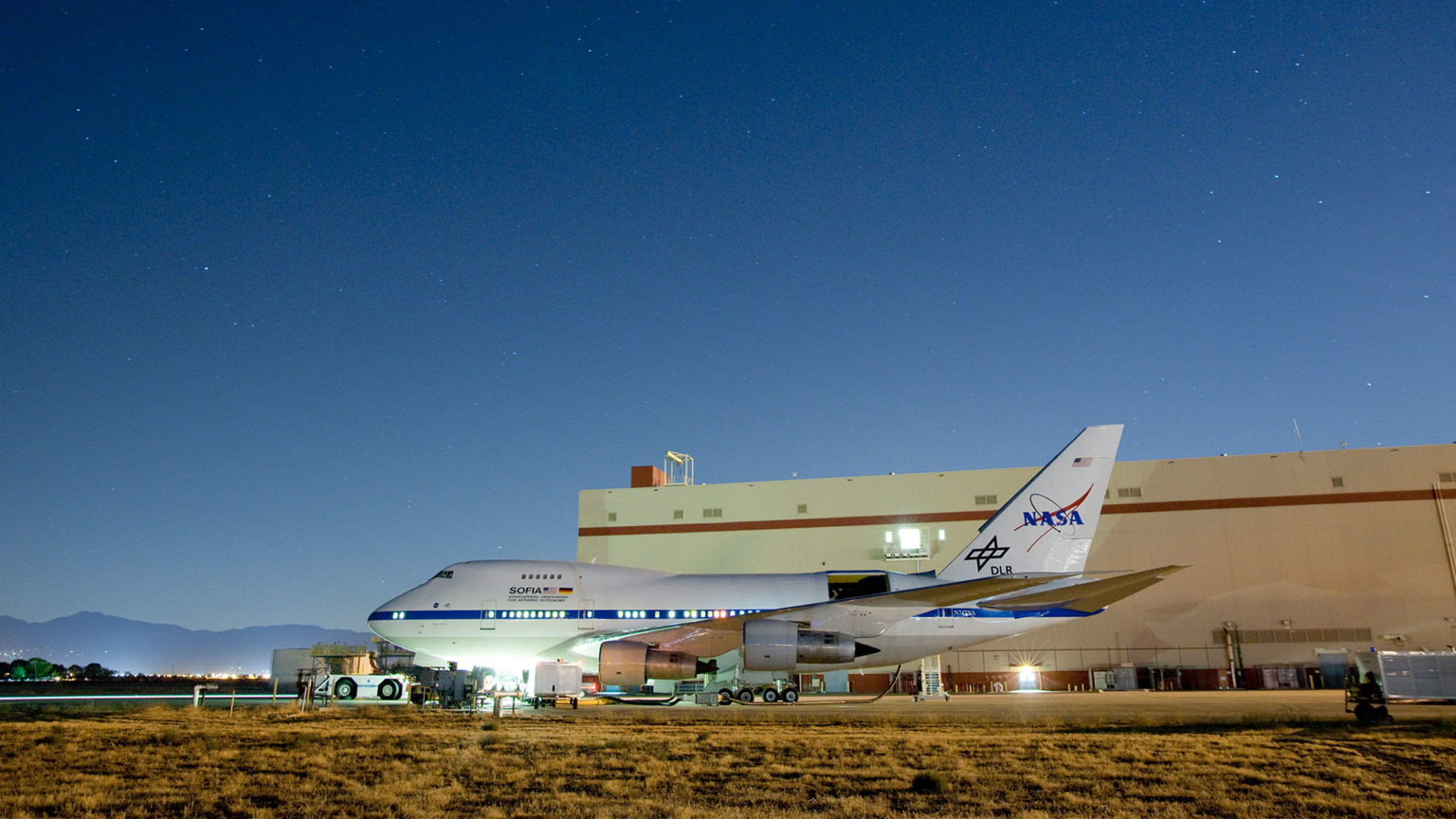
The Boeing 747SP, which was converted in cooperation between NASA and DLR, has a stratospheric observatory for infrared astronomy on board. The production of the sunshade panels was accompanied by various material tests for quality assurance, which serve to secure relevant material parameters – e.g. 4-point bending test on sandwich structures and tensile tests according to ASTM standard – these are quite impressive sunglasses!
Sunrise I (2009), II (2013) und III (2022)
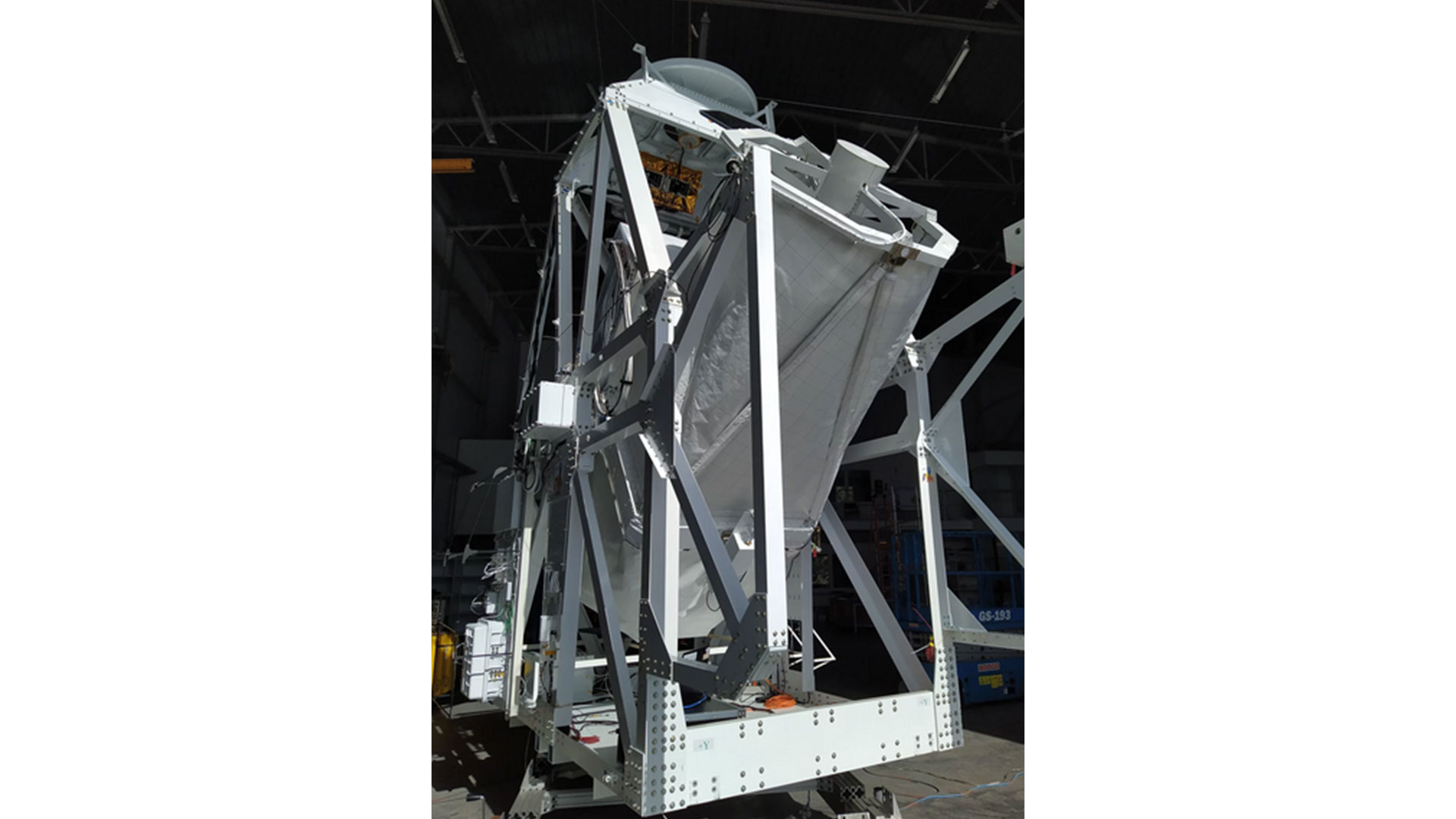
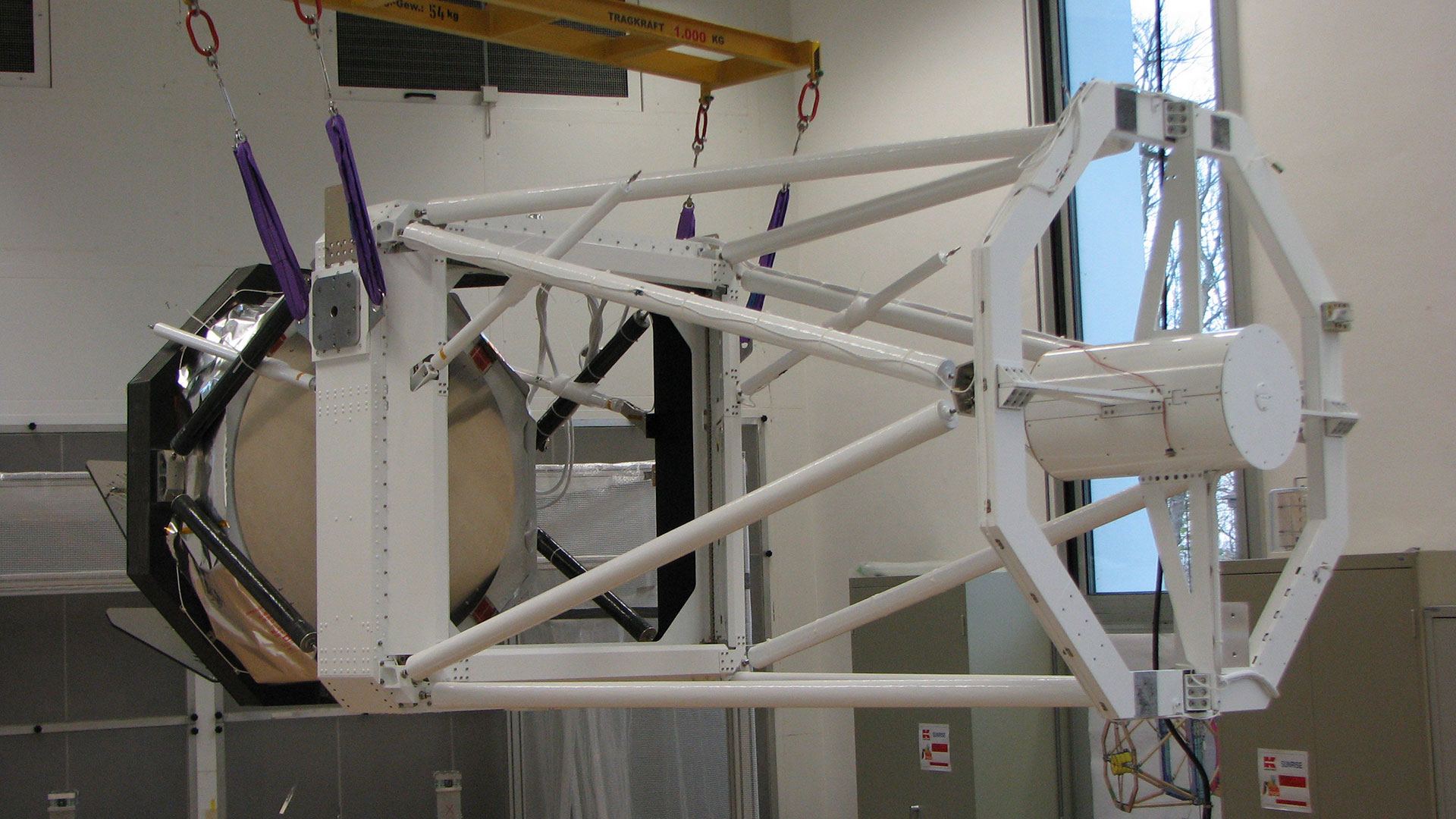
INVENT has already successfully manufactured central structures for the globally unique Sunrise balloon observatory several times. The Max Planck Institute for Solar Research (MPS) in Göttingen sends the Sunrise gondola, which is six metres wide, seven metres high and weighs two tonnes, including the telescope, with a helium balloon to an altitude of about 35 km.
The aim of the missions is to investigate the fundamental physical processes of the magnetic field and the plasma currents in the lower solar atmosphere.
INVENT manufactured the support structures for the primary and secondary mirrors for the telescope. The precise mirror alignment to each other, the so-called CFRP Serrurier truss, was also manufactured by us. This system connects the support structures of the primary and secondary mirrors.
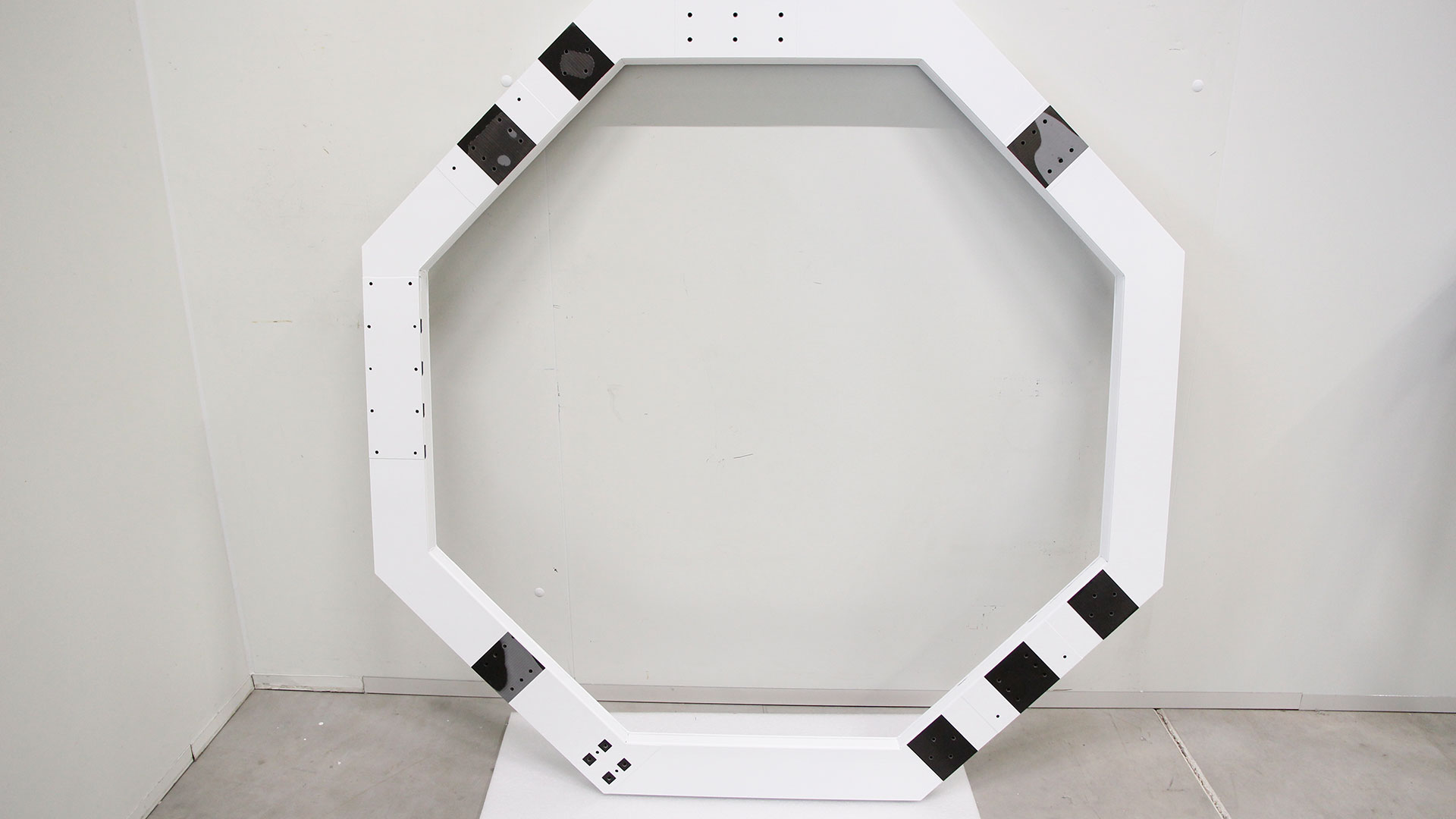
For the current Sunrise III mission, the primary structure of the front ring was manufactured by INVENT using a prepreg process and repairs were carried out on the components previously produced for the first missions.
VIDEO
By loading the video, you agree to YouTube's privacy policy.
Learn more
INVENT Aviation Business
OTHER SECTORS
Space
Industry and innovation
CONTACT
Dipl.-Ing.
Stefan Steeger
Phone +49 531 24466-21
stefan.steeger@invent-gmbh.de